Mendapatkan jackpot sensasional di slot bukan hanya soal keberuntungan semata, tapi juga strategi dan pemahaman pola permainan. Di tahun 2025, dengan hadirnya slot demo gratis tanpa potongan, kamu punya kesempatan emas untuk belajar dan mengasah kemampuan tanpa risiko modal. Berikut rahasia agar kamu semakin dekat dengan jackpot besar saat bermain.
1. Pahami Pola Mesin Slot
Slot menggunakan sistem RNG (Random Number Generator), namun pola keluaran bonus dan jackpot bisa dipelajari lewat pengamatan di mode demo. Catat kapan scatter dan wild sering muncul, serta frekuensi putaran sebelum jackpot.
2. Manfaatkan Mode Demo untuk Latihan Strategi
Dengan slot demo gratis tanpa potongan, kamu bisa mencoba berbagai teknik taruhan, seperti taruhan flat, taruhan naik-turun, atau fokus di taruhan maksimum untuk peluang jackpot.
3. Fokus Pada Provider Slot Terpercaya
Pilih game dari provider terpercaya yang dikenal sering memberikan jackpot sensasional, seperti Pragmatic Play, PG Soft, dan Microgaming. Mode demo mereka biasanya realistis dan fitur bonus lengkap.
4. Kelola Modal Virtual dengan Bijak
Walaupun di demo kamu menggunakan koin virtual, latih manajemen modal agar siap saat main dengan uang asli. Hindari terburu-buru bertaruh besar tanpa strategi.
5. Sabar dan Konsisten Berlatih
Jackpot besar jarang keluar, tapi dengan konsistensi latihan di slot demo, kamu bisa memahami waktu terbaik untuk bertaruh maksimal dan memaksimalkan peluang jackpot.
Kesimpulan
Rahasia jackpot sensasional di slot demo gratis tanpa potongan 2025 terletak pada kombinasi pemahaman pola, latihan strategi, dan kesabaran. Manfaatkan mode demo sebaik-baiknya untuk siap menaklukkan jackpot besar saat bermain dengan akun asli! Slot Demo Gratis Tanpa Potongan 2025
Oke, bahas tentang Akun Slot Terpercaya Gacor dengan Sistem Fair Play Anti Curang nih! Ini penting banget buat kamu yang pengen main slot online tanpa khawatir soal keadilan dan keamanan.
Ciri-Ciri Akun dan Situs Slot Terpercaya yang Gacor dan Fair Play:
Lisensi Resmi dan Legal Situs terpercaya biasanya punya lisensi dari lembaga resmi seperti MGA, PAGCOR, Curacao, atau lainnya. Lisensi ini jaminan bahwa permainan dijalankan secara fair dan diawasi.
RTP (Return to Player) Transparan Situs yang fair biasanya mempublikasikan RTP dari setiap game slotnya. RTP yang jelas dan sesuai standar menunjukkan permainan tidak dimanipulasi.
Sistem RNG (Random Number Generator) Teruji Game slot terpercaya memakai RNG yang sudah diuji oleh pihak ketiga untuk memastikan hasil putaran benar-benar acak dan tidak bisa dimanipulasi.
Review dan Testimoni Positif dari Pemain Cek feedback dari pemain lain di forum atau media sosial. Situs terpercaya biasanya punya banyak review positif terkait kemenangan dan proses WD.
Proses Deposit dan Withdraw Cepat dan Jelas Sistem pembayaran yang transparan dan cepat adalah tanda situs profesional. Kalau WD gampang dan tanpa drama, itu pertanda fair play.
Customer Service Responsif dan Profesional Kalau ada masalah, CS cepat tanggap dan membantu. Ini jadi bukti kalau situs benar-benar peduli pada pemainnya.
Tidak Ada Kecurangan pada Akun Akun gacor di situs fair play biasanya tidak mengalami gangguan seperti banned sepihak, kemenangan yang dibatalkan, atau saldo yang hilang tanpa alasan.
Tips Memastikan Akun dan Situs Gacor dan Fair Play:
Mainlah di situs dengan reputasi kuat, jangan tergiur bonus yang kelewat besar tanpa syarat jelas.
Jangan berbagi akun dengan orang lain, jaga data pribadi agar akun tetap aman.
Lakukan verifikasi data dengan benar supaya tidak ada masalah saat WD.
Jangan lupa cek syarat dan ketentuan supaya kamu paham aturan main di situs tersebut. Akun slot terpercaya gacor
Where should I go for a vacation in March? If this is your question, then let us tell you that March is an amazing time of year to travel, and some destinations showcase their best in This Month. During this time, the weather is mild in spring in one part of the world, while other parts are sunny and warm. Be it affordable international trips, luxury destinations, hidden gems or family destinations, we list the best countries to visit in March.
One of the biggest advantages of travelling in March is the shoulder season advantage. Cheaper flights and accommodations, fewer tourists in popular places and more laid-back activities.
The month of March is a celebration month, too. There are many cultural festivals worldwide, like the festival of Holi in Nepal or St. Patrick’s Day in Dublin. March offers endless possibilities for every kind of traveller.
A quick chart on the best countries to visit in March
Country
What to Do
Weather
Cost Insights
Australia
Bondi Beach, Great Barrier Reef, Whitehaven Beach, Gold Coast & Noosa
22°C–30°, warm and sunny
Rs 2.5–3.5 lakh
Greece
Beaches in Crete, Santorini cliffs, quiet coves, local taverns
15°C–20°, mild
Rs 1–1.5 lakh
Nepal
Also known as Phagu Purnima, celebrate Holi with colours and sweets
10°C–24°, pleasant
Rs 50k –1.2 lakh
Ireland
St. Patrick’s Day in Dublin, Galway arts scene, pubs & countryside towns
8°C–15°C, cool
Rs 1.8–2.3 lakh
Morocco
Camel ride in Sahara, Marrakech markets, Chefchaouen, hammams
15°C–25°C, warm
Rs 1.4–1.8 lakh
Portugal
Wine tasting in Porto, Lisbon sightseeing, Sintra palaces, Algarve beaches
12°C–20°C, mild
Rs 1.6–2.2 lakh
Costa Rica
Festivals in San Jose, traditional dances, local markets
22°C–30°C, warm
Rs 1.5–2 lakh
Chile
Hike Torres del Paine, glaciers & fjords, kayaking, wildlife spotting
5°C–18°C, cool
Rs 2.5–3 lakh
Malaysia
Kuala Lumpur, Langkawi & Penang beaches, Cameron Highlands, street food
Reykjavik & Golden Circle, Blue Lagoon, Northern Lights
-1°C–5°C, cold
Rs. 2–2.5 lakh
Netherlands
Amsterdam canals, Keukenhof tulips, cycle through countryside towns, and museums
5°C–12°C, mild
Rs. 1.8–2.2 lakh
Jump to sections
Best countries to visit in March for beaches
Best countries for festivals in March
Best Countries for honeymooners in March
Adventure destinations in March
Best European destinations in March
Why March appeals to luxury travellers
Travel planning tips for March
Best countries to visit in March for beaches
March is the perfect month to enjoy clear skies, warm seas and fewer visitors on some of the best coastlines in the world at a time when the weather is sunny. Australia and Greece are two excellent options as regards the best beach countries to visit in March.
Australia
One of the best international destinations in March for a perfect combination of sun, sand and surf is Australia. With its endless coastline, turquoise waters and warm weather, Australia is home to some of the best beach holidays in March. From iconic Bondi Beach to the pristine shores of the Whitsundays, this destination is ideal for travellers in search of sun-soaked adventures.
What you can do in March: Lounge on Bondi Beach, go snorkeling or diving at the Great Barrier Reef, relax on Whitehaven Beach and explore coastal towns such as the Gold Coast and Noosa.
Weather: 22°C–30°C, warm and sunny
Cost insights: Around Rs. 2.5–3.5 lakh
Travel hacks: Book flights in advance for the shoulder season, rent a car for exploring the hidden beaches, and buy multi-day passes for Great Barrier Reef tours to save money.
Greece
One of the best places to visit in March to have the best combination of beaches, islands and history would be Greece. It is warm and because it is a shoulder season, you have the opportunity to enjoy empty beaches and to explore most of the attractions with few people surrounding you. The perfect early spring destinations are Santorini, Crete and Rhodes.
What you can do in March: Walk on Crete’s sandy shores, visit the cliffs in Santorini, explore quiet coves, and enjoy local taverns.
Weather: 15°C-20°C, mild and pleasant
Cost insights: Around Rs. 1-1.5 lakh
Travel hacks: Pack light layers for nightclubs, take ferries to save money, and visit secret beaches in Mykonos and Rhodes.
Best countries for festivals in March
If you are looking for a place to travel in March and you want a mix of culture, fun and colours, then March would be the perfect month. It’s not just about spring weather and beach holidays; this is also about cultural festivals in March worldwide. Here are two of the best countries to visit in March for festivals:
Nepal
Nepal is one of the best Asian destinations in March, as there is a burst of vibrant colours and there is tradition and celebration as well. This is when the legendary Holi festival takes place – a festival where people throw colours and dance in the streets and eat traditional sweets. If you are looking for cultural festivals in March all over the world, Nepal is at the top of the list because here the holi celebrations, better known as Phagu Purnima take off a week before. It is also one of the cheapest countries to travel in March, so it is perfect for families, couples or even backpackers.
What you can do in March: Celebrate Holi with the locals in places like Kathmandu, Pokhara and Terai, witness the rhododendron bloom, go for treks in the Himalayas and enjoy adventure sports in one of the warmest places you can visit in March.
Weather: 10°C – 24°C, warm and pleasant.
Cost insights: Around Rs 50 k -1.2 lakh
Travel hacks: Plan accommodation well in advance, wear white clothes to play with colors, and stay in an accommodation that is family-friendly.
Ireland
One of the best countries to visit in March if you want a lively cultural experience is Ireland. Famous for its bright celebrations and rich traditions, Ireland is one of the top travel destinations in March for people who love festivals. From energetic parades to music and food events, March brings the Emerald Isle to life making it a must-visit for those wondering where to I go in March for a vacation?
What you can do in March: Celebrate St. Patrick’s Day in Dublin with grand parades with floats, marching bands and dancers. Explore the arts scene in Galway, enjoy traditional Irish pubs and visit some scenic countryside towns.
Weather: 8°C–15°C, cool and mild
Cost insights: Around Rs 1.8–2.3 lakh
Travel hacks: Book accommodation early, use public transport during festivals and pack a waterproof jacket for spring showers.
Must check out: Japan Cherry Blossom Tours – Flying Squirrel Holidays
Best Countries for honeymooners in March
If you are looking for a romantic getaway after your wedding, then March is the best time to embark on your honeymoon. The spring season is a season of pleasant weather, fewer crowds, and beautiful views at many destinations. From exotic beaches to charming cities, there are plenty of the best honeymoon destinations in March.
Morocco
If you are wondering where to go in March for a blend of romance, adventure and culture, Morocco is a dreamy destination. From camel rides in the Sahara Desert to colourful souks in Marrakech, it is one of the best honeymoon destinations in March. The combination of history and exotic scenery makes it unique for couples.
What you can do in March: Take a camel ride in the desert, visit the markets in Marrakech, visit Chefchaouen (The Blue City) and visit Moroccan hammams.
Weather: 15°C -25°C ,warm and pleasant
Cost insights: Around Rs 1.4-1.8 lakh
Travel hacks: Gather at desert camps early, bring light jackets for cool evenings.
Portugal
Portugal is one of the best destinations in Europe for a romantic honeymoon since it’s a combination of beaches, castles and wine tours in March. Couples can walk through Lisbon streets, visit Sintra, a town which looks like a page out of a fairytale or relax on golden beaches in the Algarve. It is also one of the best international destinations in March for food and culture enthusiasts.
What you can do in March: Wine tasting in Porto, Lisbon tour, palaces of Sintra, beaches of the Algarve
Weather: 12°C -20°C sunny and mild weather
Cost insights: Around Rs. 1.6-2.2 lakh
Travel hacks: Take trams and trains to save money, book attractions online in advance
Also read: 25 Best Countries To Honeymoon – Romantic Escapes For Every Couple – Flying Squirrel Holidays
Adventure destinations in March
March is not only a month filled with beaches and festivals, but it is also a great time for thrill-seekers. If you are looking for some adventure travel destinations in March, consider activities like bungee jumping, safaris, or hiking. Some of the best travel destinations in March are well-known for adventure sports, wildlife and stunning landscapes that will leave you with memories to last a lifetime.
Costa Rica
For vibrant local festivals and cultural experiences, Costa Rica is one of the best countries to visit in March. This is the dry season in Costa Rica when the seas are calm and skies are clear so you can have the most thrilling time outdoors.
What you can do in March: This is the ideal surfing season in the Pacific coast in places like Tamarindo, Santa Teresa, Jaco and Dominical.You can try snorkeling and diving in Guanacaste and Cahuita National Park. Swim with manta rays at Bat Islands. The Pacuare and Reventazón Rivers are ideal for white water rafting.
Weather: 22°C–30°C, warm and pleasant
Cost insights: Around Rs 1.5–2 lakh
Travel hack: Book early stays in festival areas, use local transport, and combine festival visits with beach trips for beach holidays in March
Chile
One of the best countries to visit in March for adventure and breathtaking landscapes is Chile and especially the Patagonia region of Chile. It is one of the best places in March for trekking, wildlife spotting. It is ideal for people looking for adventure travel destinations in March.
What you can do in March: Hike the Torres del Paine National Park, see glaciers and fjords, go kayaking in lakes, and see guanacos and condors
Weather: 5°C–18°Ccool and clear days
Cost insights: Around Rs 2.5–3 lakh
Travel hacks: Book guided treks in advance, pack layers for variable weather and consider renting a vehicle for flexibility to explore remote trails.
Also read: Best Countries To Visit In February – Flying Squirrel Holidays
Best countries to visit in March in Asia
March is an excellent month to visit Asia. The weather is nice, spring arrives, and you can not only experience natural beauty, but culture too. If you are looking for the best places to visit in March in the world, Asia also has some amazing places to visit, such as Malaysia and Bhutan.
Malaysia
One of the best Asian places to visit in March is Malaysia, which is known for its tropical beaches, lush rainforests and vibrant cities. It is one of the top travel destinations in March for travellers who want a little bit of all: adventure, culture and relaxation.
What you can do in March: Explore Kuala Lumpur, Langkawi and Penang beaches, hike in Cameron Highlands, and experience local street food.
Weather: 25°C–32°C, warm and humid
Cost insights: Around Rs 1.2–1.6 lakh
Travel hacks: To save money, use local buses and trains for traveling or book hotels in advance if planning to stay in the city and explore offbeat islands.
Bhutan
Bhutan is another stunningly beautiful country to visit in March in Asia, perfect for travellers in search of serene landscapes and unique cultural experiences. You can visit spring destinations in March such as Paro and Thimphu valleys.
What you can do in March: Attend the Paro Tshechu festival, trek in the Himalayas and explore monasteries and scenic valleys.
Weather: 10°C–20°C, mild and dry
Cost insights: Around Rs 1- 2.2 lakh
Travel hacks: Book guided tours ahead of time, pack layered garments for different altitudes and plan treks early in the day for clear views.
Also read: Best Countries To Visit In November – Flying Squirrel Holidays
Best European destinations in March
Europe in March is magical. With the spring season, the weather turns mild and it’s a great time to visit cities that aren’t brimming with tourists. If you are asking yourself where you can go in March for culture, food and history, the answer is Europe.
Iceland
One of the best European countries to visit in the month of March is Iceland, ideal for those travelers who want to explore unique landscapes and winter adventures. It’s one of the best travel destinations in March for people who want to experience glaciers, geysers and northern lights.
What you can do in March: Explore the city of Reykjavik and the Golden Circle, relax in the Blue Lagoon and go on a northern lights chase.
Weather: -1°C to 5°C, cold but can be dealt with with layers
Cost insights: Around Rs 2–2.5 lakh
Travel hacks: Hire a rental car to be flexible, book northern lights tours ahead of time and pack thermal clothing for outdoor activities.
Netherlands
The Netherlands is another of the best European countries to visit in March, famous for early spring landscapes and vibrant cultural experiences. March is the start of tulip season, so it is a hot spot for spring destinations.
What you can do in March: Visit some of Amsterdam’s canals, explore Keukenhof Gardens for tulips, cycle around countryside towns in Amsterdam and enjoy local museums.
Weather: 5°C–12°C, cool and mild
Cost insights: Around Rs. 1.8–2.2 lakh
Travel hacks: Book Tulip Garden tickets early, use bikes/public transport, and explore smaller towns for hidden gems to visit in March.
Also read: Netherlands Tulip Travel Guide – Flying Squirrel Holidays
Why March appeals to luxury travellers
Apart from the fact that March is shoulder season with less crowds, it is perfect for exclusivity and elite experiences. From cherry blossoms in Japan to holi in Nepal to St.Patrick’s Day in Ireland to wine harvests in South Africa, you can have the most fascinating experiences in March with upgrades and cheaper flights. You can book entire villas or go for high-end resorts and hotels.
Talking about villas, you can book exclusive wellness retreat villas in Bali, Thailand and Maldives with Ayurveda therapies and fine-dining options with focus on nutrition. March is said to be the “reset month” so going for wellness renewal with luxury spa experiences in Hungary’s thermal baths or Switzerland’s alpine retreats is also an option.
You can opt for spiritual reset at private yoga retreats in Nepal or Bhutan or go for wellness cruises in the Caribbean or the Mediterranean. Another great way of combining wildlife safaris with yoga and organic food is going for luxury safaris in March in Kenya and Tanzania.
Check this: Best Countries To Visit In December – Flying Squirrel Holidays
Travel planning tips for March
Here are some simple tips for enjoying a smooth and enjoyable trip to the top countries to visit in March:
Book flights and hotels in advance – It is advisable to book flights and hotels 6-8 weeks before March. This saves money and it gives you more stay options in popular places like Portugal, Iceland, or Malaysia
Plan accordingly to the weather – Weather can vary from place to place throughout March. Carry:
Jacket – For cool nights.
Sneakers for sightseeing.
Swimwear in case you are at beach resorts in March.
Umbrella or raincoat.
Use cost-saving tricks – On a low budget, you could explore cheaper places to visit during March, like Bhutan or Morocco. Use the local transport, have local food and stay in lodges to save more.
Check visa – There are countries to visit in March, like Bhutan, which has a visa on arrival, and Europe, which might need a Schengen visa. Whenever you are travelling, always upload and print two copies of your travel documents.
Travel with Flying Squirrel Holidays in March
Now that you’re ready to plan your dream vacation. From flights to hotels, to guided tours and local experiences, Flying Squirrel Holidays has it all covered. We plan trips that suit your style and budget, so that you can just enjoy your holiday. Let us guide you through the best countries to visit in March and help you make this trip a memorable one!
Call us at +91 33 40525777 / +91 833 697 8737
Email us at [email protected]
FAQs
Why is March considered a good month to travel? March sits in the sweet spot between peak and off-season in many destinations. Travellers can enjoy pleasant weather, fewer crowds and a balance of cultural festivals, wellness retreats and adventure opportunities worldwide.
Is March a good time for luxury travel? Yes, March is excellent for luxury travel. It’s shoulder season in Europe and parts of Asia, meaning exclusive access to top hotels, experiences and cultural landmarks without peak-season crowds. In the Southern Hemisphere, it’s still summer, perfect for Patagonia, South Africa, and Australia.
Does March offer good weather for travel? Yes. March marks the start of spring in the Northern Hemisphere (Europe, North America, parts of Asia) and late summer in the Southern Hemisphere (South America, Australia, South Africa). This means mild climates, ideal for both cultural exploration and outdoor adventures.
Are there unique festivals in March? Absolutely. Holi in India and Nepal, St. Patrick’s Festival in Ireland, cherry blossom season in Japan, wine harvest festivals in Chile and Argentina, and Las Fallas in Spain all make March culturally rich.
Is March less crowded compared to summer? In most destinations, yes. Europe, Japan (early March), and North America see fewer tourists than the summer months, making it easier to enjoy private tours, Michelin-starred dining, and luxury stays with more exclusivity.
Are luxury travellers offered better value in March? Often, yes. Shoulder season rates at luxury hotels and resorts are more favorable compared to peak summer. Plus, travelers can access unique experiences like private vineyard tours, VIP festival passes and customized wellness packages.
What comes to your mind when Maldives is mentioned to you? Transparent blue water, strikingly white sand, swimming with manta rays and villas that are the epitome of luxury. Staying in a Maldives resort with a private pool is an experience that even the Hollywood stars like to savour.
So if you want to get a taste of the lifestyle of the rich and famous then this is it. Opt for a resort that has villas that open up to gardens with private pools and breathtaking views of the beach or better still, stay in overwater villas that have private pools hanging over the sea.
Relaxing in a private pool on a holiday in the Maldives can be an experience you will find truly enjoyable.
Quick chart on Maldives Resorts that have private pools.
Floating breakfasts, stargazing from villa roof, overwater cinema, eco-luxury
COMO Maalifushi
Overwater villas with private pool, guided snorkeling, paddleboarding, yoga, seaside spa therapies
Anantara Dhigu Maldives
Shallow pools ideal for children, water spa, turtle diving, beach dining.
Vakkaru Maldives
Horizon-edge pools that have the blending-into-the-sea feel, romantic beach dinners, holistic spas.
Hurawalhi Island Resort
Sleek glass-sided pools, champagne dips at sunset, barefoot luxuries, diving with manta rays.
Milaidhoo Island Maldives
Romantic curved pools with artistic design, boat-shaped restaurant dining, manta ray tours.
Waldorf Astoria Maldives Ithaafushi
Grand infinity pools with poolside cabanas, luxury floating meals, fine dining under the stars.
OZEN Reserve Bolifushi
Bedroom-to-pool direct access, private romantic meals, film nights under the stars.
Constance Moofushi
Lagoon-view rustic pools, quiet reading spots by the water, visit colorful coral reefs.
Why choose a private pool resort in the Maldives?
A Maldives vacation is already a dream come true, but a villa with your own pool raises the bar. It provides you with total privacy; you can swim, rest, or sunbathe without anyone else nearby. It suits both families and couples. Couples can have a peaceful, romantic time and kids can play and explore safely.
A private pool will give an element of luxury as well, be it with a floating breakfast, a candlelit dinner by the pool, or just spending the afternoon lounging by the water. All this is accompanied by stunning views of the ocean and witnessing the sunrise or sunset from the pool. In all this could be a holiday you will always cherish.
Key factors to consider before booking
The following are things to consider before you select your Maldives resort with a private pool in order to have the experience you have been dreaming of:
Villa size & layout: A plunge pool is less complex and is perfect for taking a few dips, whereas an infinity pool is larger and sometimes has great views of the ocean.
Sunset vs sunrise views: Sunset views are colourful and romantic and sunrise views are serene and suited to early risers.
Overwater vs beach villas: Overwater villas offer you the wow factor because they are built on stilts and located right inside the lagoon, whereas beach villas are more family friendly and spacious.
Privacy level: Determine whether your pool is really private or not, or whether people from other villas can see it. This is very important for couples.
Child-friendly design: Some pools are deep and meant for adults, while others are kid friendly.
Transfer choices: Some islands require a seaplane flight, and there are islands that can be accessed via speedboat. Seaplanes are picturesque but costly.
Hidden costs: Keep in mind that there may be extra costs in the form of taxes, service fees, or transfer fees.
Top 10 Maldives resorts with private pools
There are numerous resorts to choose from in the Maldives, and sometimes it is difficult to make the right choice. To simplify this, we have listed down the top Maldives resorts with private pools. All of them are stunning, luxurious villas and give memorable experiences. These resorts offer something unique for all, whether you want romance, family fun, or soothing relaxation.
Baros Maldives, North Male Atoll
Baros is a well-known Maldives resort with a private pool, and it is the best combination of comfort and luxury.Your own pool, butler service, fine dining under the stars and a beautiful house reef, just a short walk away, Baros will give you an unforgettable luxury experience in the Maldives.
It takes only 25 minutes by speedboat to reach this paradise island, with white sandy beaches and villas that are ideal for a couple or anyone who needs privacy. Many couples do their vow renewal here.
Pool experience: Private pool with sunset views, floating breakfasts, candlelit poolside dining. Be it the infinity pool at a villa surrounded by tropical splendour, or the overwater villas with teak platforms which have stairs next to the private pool, leading to the ocean, in this resort living the pool life can be luxurious and relaxing.
Amenities: Spa, butler service, fine dining, house reef, speedboat transfer, diving and snorkeling, yoga and water sports.
Price: Starts from Rs 1.4 lakh per night.
Soneva Jani, Noonu Atoll
Soneva Jani is the first thing that comes to mind when you imagine one of the most luxurious Maldives resorts with a private pool. This resort is located in a turquoise lagoon and is known to be famous due to its massive overwater villas that have their own pools and slides that plummet directly into the ocean. Soneva Jani is not just an experience but a holiday to remember.
Pool experience: Oversized deck pools with endless lagoon views, playful pool slides for kids and adults and evening swims under a retractable roof. You can enjoy floating breakfasts, stargazing from your villa roof and eco-luxury.
Amenities: Overwater cinema, spa, gourmet dining.
Price: Starts from Rs 2.6 lakh per night.
COMO Maalifushi, Thaa Atoll
If your definition of paradise is peace and privacy, the best place is COMO Maalifushi. Here, villas have their own pools with minimalist pool designs that blend into the natural surroundings, creating a “barefoot luxury” mood.
It is a family and couple getaway allowing ample opportunity for enjoying serene luxury, incredible spa therapy and experiencing unexplored reefs.
Pool experience: The private pools are infinity style that look like the water blends into the ocean. The overwater villas or beach suites, give direct access either to the lagoon or to a private stretch of sand. The pools are temperature controlled and are positioned to catch a beautiful sunrise or sunset.
Amenities: Guided snorkeling, paddleboarding, yoga and seaside therapies.
Price: Starts from Rs 90k per night.
Anantara Dhigu Maldives, South Malé Atoll
Just 30 minutes by speedboat from Malé, Anantara Dhigu is one of the most family-friendly Maldives resorts with a private pool. The villas here are large with their own swimming pool and direct access to the beach or the lagoon.
Children can spend their time at the surf school and adults may use the overwater spa or go on a sunset tour. Pools here have shallow ends, safe for children and wide decks where parents can lounge.
Pool experience: There are 110 villas here with personal pools, water spa, kids club and a surf school. Some villas have pools opening to beach views, some villas have huge private pools, ideal for families, surrounded by lush greenery. Then there are the plunge pools in the overwater villas from where you can directly dive into the sea. All pools have sundecks with loungers.
Amenities: Villa host, sunset cruises, turtle diving, beach dining and access to nearby resorts.
Price: Starts from Rs 55k a night.
Vakkaru Maldives, Baa Atoll
Vakkaru Maldives is located in the beautiful Baa Atoll, which is a UNESCO Biosphere Reserve that has a rich marine life. The resort is basking in natural beauty with incorporation of modern luxury that includes overwater and beach villas with their own pools.
Pool experience: Horizon-edge pools blending into the sea, golden sunset reflections on the water, stargazing while floating in the pool at night. This resort in Maldives has different kinds of villas with direct beach access and private pools. The smaller villas have smaller pools and then the larger villas, that go up to four-bedroom ones, have huge private pools and some have a separate plunge pool too. The overwater villas have sundecks and direct access to the lagoon.
Amenities: Four restaurants, two bars, an overwater spa, water sports, a kids club, snorkeling on the reefs of the Baa Atoll and romantic dinners on the beach.
Price: Starts from Rs 54k per night.
Hurawalhi Island Resort, Lhaviyani Atoll
Hurawalhi Island Resort is a five-star, adults-only resort that provides a sophisticated and contemporary feel to the Maldives. Villas contain their own pools, thus providing the guests with comfort and privacy.
Hurawalhi is a leading resort with a romantic, relaxing beach vibe and should be considered when couples want to find an unusual luxury getaway.
Pool Experience: Sleek glass-sided infinity pools so that you get the feeling of floating on the ocean. Directly from the private pool you can get into the ocean to enjoy a bit of snorkeling. Champagne dips at sunset or quiet couple dips in an adults-only atmosphere, is just perfect.
Amenities: It has the largest underwater restaurant in the world, all-inclusive dining, a spa and a diving center where you can indulge in diving with manta rays.
Price: Starts from Rs 51k per night.
Milaidhoo Island, Maldives, Baa Atoll
Milaidhoo Island, Maldives, is a small boutique resort designed to serve couples and honeymooners. The island is intimate and small and provides guests with a unique and serene environment.
Each villa includes its own personal pool and it has a Maldivian-style design. Pools here are curved and uniquely shaped, inspired by Maldivian craft, perfect for honeymoon photo moments. Milaidhoo is everything about the intimate luxury and silent rest.
Pool Experience: Romantic curved pools with artistic design, secluded corners for couples, dreamy moonlit swims. This resort in the Maldives has some of the largest private pools and has day beds, loungers and swing chairs. Many villas include both indoor and outdoor showers, deep bathtubs with ocean views, garden showers. The private pool-shower experience can’t get better than this.
Amenities: Three fine restaurants, a personalized island host, spa and water sports. Romantic boat-shaped restaurant dining, manta ray tours and designed wellness packages.
Price: Starts from Rs 1.3 lakh per night.
Waldorf Astoria Maldives Ithaafushi, South Malé Atoll
Waldorf Astoria Maldives Ithaafushi is one of the most luxurious Maldives resorts with a private pool, designed for travelers who want the very best. The resort spans three islands of its own, and it has more than 100 villas that are spacious and have their own infinity pool.
There are massive infinity pools with cabanas and daybeds built right into the pool deck. It’s almost like having your own mini-resort.
Pool Experience: Grand infinity pools with poolside cabanas, luxury floating meals and private butler service at the poolside. Some of the overwater villas have glass floors and access to the lagoons. There are over-water swings and some beach villas have jacuzzis. This place is actually a beach paradise with sun decks, hammocks and gazebos, where you can really have a fabulous time by your private pool.
Amenities: Eleven restaurants and bars, spa, private sandbank dining and yacht adventure. Coral garden, snorkeling and luxury wellness retreats.
Price: Starts from Rs 2.2 lakh per night.
OZEN Reserve Bolifushi, South Male Atoll
OZEN Reserve Bolifushi is one of the ultimate Maldives resorts with a private pool, offering an experience where luxury meets tranquillity.
Think of entering a large villa with your own pool overlooking the Indian Ocean with its blue water spreading before you. Every stay at this place is designed to make you feel comfortable, from world-class food to the relaxing spa treatments and the unforgettable dinners by the poolside.
Pool Experience: Bedroom-to-pool direct access is available, whether in a beach villa or in an overwater suite. You can have sunrise floating breakfasts, barefoot lounging beside turquoise waters, or slide into the lagoon through built-in slides. There are open-air rain showers or bathtubs integrated into this indoor-outdoor flow, so you can move between the pool, your villa interior and the beach or lagoon.
Amenities: Butler service, all-inclusive dining with top-quality drinks, spa and wellness facility, snorkelling and water sports.
Price: Starts from Rs 1.6 lakh per night.
Constance Moofushi, South Ari Atoll
Constance Moofushi is a perfect blend of simplicity and elegance, making it one of the most sought-after Maldives resorts with a private pool. This barefoot-luxury resort is nestled in the South Ari Atoll and is best suited to couples and families that desire some adventure and relaxation by the poolside.
Pool Experience: Lagoon-view rustic pools, quiet reading spots by the water, evening dips with lantern-lit decks. Privatized pool villas offer absolute exclusivity and the over-water spas are what many guests totally love.
Amenities:Visit the colored coral reefs, beach dining, sunset cruise and spa treatment.
Price: Starts from Rs 90k per night.
A private pool experience in the Maldives with Flying Squirrel
We ensure that every luxury getaway is hassle-free and memorable. Here’s why travelers trust us:
Curated stays based on your style: We pick the properties that suit you perfectly. Is it a family holiday or a couple retreat? We will choose your private pool villa in Maldives accordingly.
Exclusive pricing and custom-made itineraries: We give exclusive offers and have custom-made itineraries as per your choice and preferences.
Hustle-free booking: We do all the work in getting the planning and booking done and then you can just lounge in your private pool and get busy making amazing memories without thinking of anything else.
Ready to book your dream Maldives escape?
We make luxury travel hassle-free at Flying Squirrel. Explore our curated collection of Maldives resorts with private pools, enjoy insider deals, and let us craft a personalized itinerary just for you. Your final piece of heaven is only a click away- begin to plan your own paradise now!
FAQs
Are private pool villas in the Maldives worth the additional price?
Yes, they have all the privacy, a unique view and 24/7 access to your personal pool that ordinary shared ones cannot offer.
Are all these private pools facing the ocean?
Not always. Beachfront pools are present in some of the villas, others are overwater and some are in tropical gardens. It depends on the resort.
Are private pool villas safe for children?
A majority of resorts have family-friendly pool villas, or they will offer safety on demand, although supervision is advisable.
Can I get food and drinks by your private pool?
There are numerous resorts with floating breakfasts, poolside meals, or even in-villa services, which means that you do not have to leave your villa.
Why choose a private pool villa over a regular villa in the Maldives?
The exclusiveness is unmatched in private pool villas, where one has his or her own share of swimming, sunbathing, and relaxing without being subjected to the presence of other guests.
Main togel sekarang nggak perlu pusing dan stres lagi! Kamu bisa lebih chill, santai, dan enjoy saat bermain karena sudah ada bandar online terpercaya yang siap nemenin kamu setiap saat. Dengan sistem yang aman, transparan, dan cepat, kamu tinggal fokus nikmatin serunya pasang angka favorit tanpa ribet.
Gak cuma soal menang, tapi juga soal pengalaman main yang nyaman dan menyenangkan. Dengan dukungan layanan pelanggan yang ramah dan responsif, kamu bisa tanya-tanya atau minta bantuan kapan pun kamu butuh, tanpa harus nunggu lama. Jadi, rasakan sensasi main togel yang beda, lebih rileks, dan tentunya lebih seru bareng bandar online terpercaya yang selalu jadi teman setia kamu dalam petualangan angka-angka ini. BO Togel Terpercaya
Kadang hidup itu butuh jeda. Kerjaan numpuk, deadline ngejar, dan segudang masalah bikin kepala pusing. Nah, buat kamu yang cari cara buat bikin harimu lebih chill dan santai, main togel online bisa jadi solusi.
Apalagi kalau kamu main di agen togel online yang friendly dan bikin nyaman, sensasi mainnya beda banget. Gak stres, gak ribet, cuma hiburan yang bikin mood naik.
1. Platform yang Simple dan Gak Bikin Ribet
Agen togel online yang bikin chill punya tampilan simpel dan gak penuh iklan nyebelin. Kamu tinggal klik-klik, pasang angka, dan tinggal tunggu hasilnya sambil santai minum teh atau kopi.
2. Bonus dan Promo yang Bikin Senyum
Ada bonus deposit yang bikin saldo makin tebal, cashback kalau lagi kurang hoki, sampai event seru yang bikin main gak monoton.
Bonus-bonus ini bikin kamu makin semangat tapi tetap santai tanpa harus keluar modal gede.
3. Main dengan Modal yang Gak Bikin Pusing
Santai itu juga berarti gak bikin kamu stres soal uang. Banyak agen yang kasih batas minimal deposit rendah, jadi kamu bisa coba-coba tanpa takut boncos.
4. Bisa Main Dimana Saja dan Kapan Saja
Main di HP sambil rebahan, di perjalanan, atau di kafe favoritmu — semua gampang dan lancar.
Akses yang fleksibel bikin main makin chill dan gak ngebatesin waktu.
5. Komunitas yang Supportif dan Friendly
Banyak agen punya komunitas aktif yang selalu siap bantu dan kasih tips, jadi kamu gak main sendirian.
Ngobrolin angka sambil santai itu bikin pengalaman makin asik dan penuh warna.
6. Customer Service yang Ramah dan Siap Bantu
Kalau ada masalah, kamu tinggal chat dan bakal dibantu dengan cepat dan ramah, gak bikin tambah stres.
Kesimpulan: Chill Bareng Agen Togel Online, Hidup Jadi Lebih Santai dan Seru!
Dengan agen togel online yang bikin chill, kamu bisa nikmati hiburan tanpa tekanan, cukup santai dan pasang angka sambil nikmati hari. Agen Togel Online dengan Bonus Terbesar
Cutthroat competition in today’s market has set the customer experience above price or product. The numbers support this statement: a Promoter (on the Net Promoter Score scale) delivers 600% to 1,400% more value to a customer over their lifetime than a Detractor (Bain & Company).
That is an immense revenue gap purely grounded in customer perception. The biggest problem is that most brands solicit feedback from their customers, yet they do nothing with it. This is where the customer experience analytics tools become very important, as they can transform scattered pieces of information into sharp business insights to retain and delight customers.
Methodology (transparent & weighted)
We evaluated 20+ platforms across five criteria with the weights below. We reviewed public docs/demos, integration catalogs, and customer case studies; we favored tools with clear roadmaps and privacy posture.
Analytics depth (30%) — breadth/quality across VoC, product, digital, contact center
Ease of use (20%) — no‑code access, role‑based dashboards
AI & automation (20%) — topic/sentiment/intent, driver analysis, triggerable actions
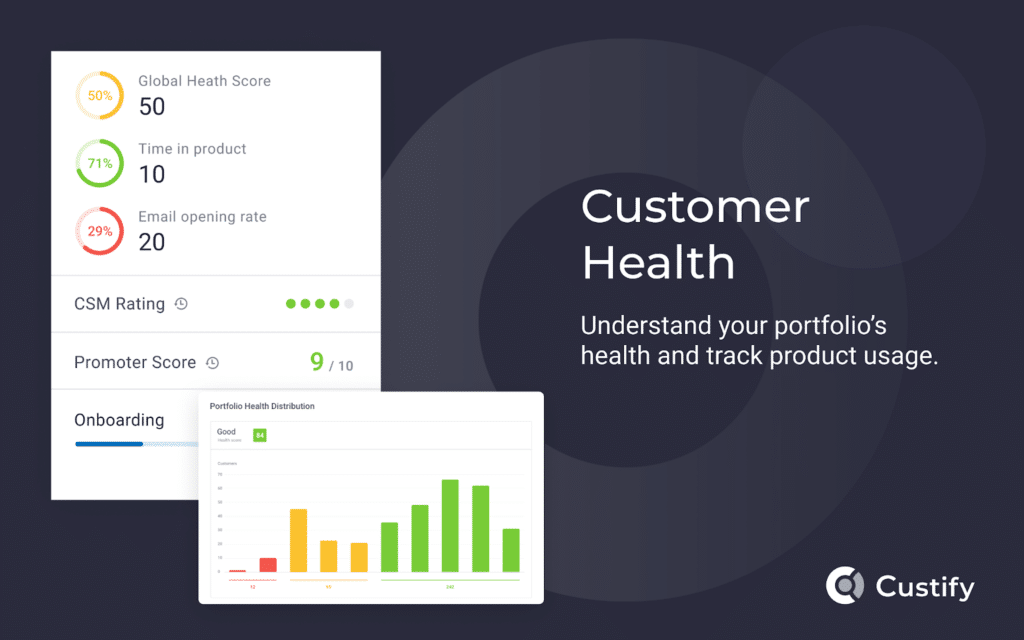
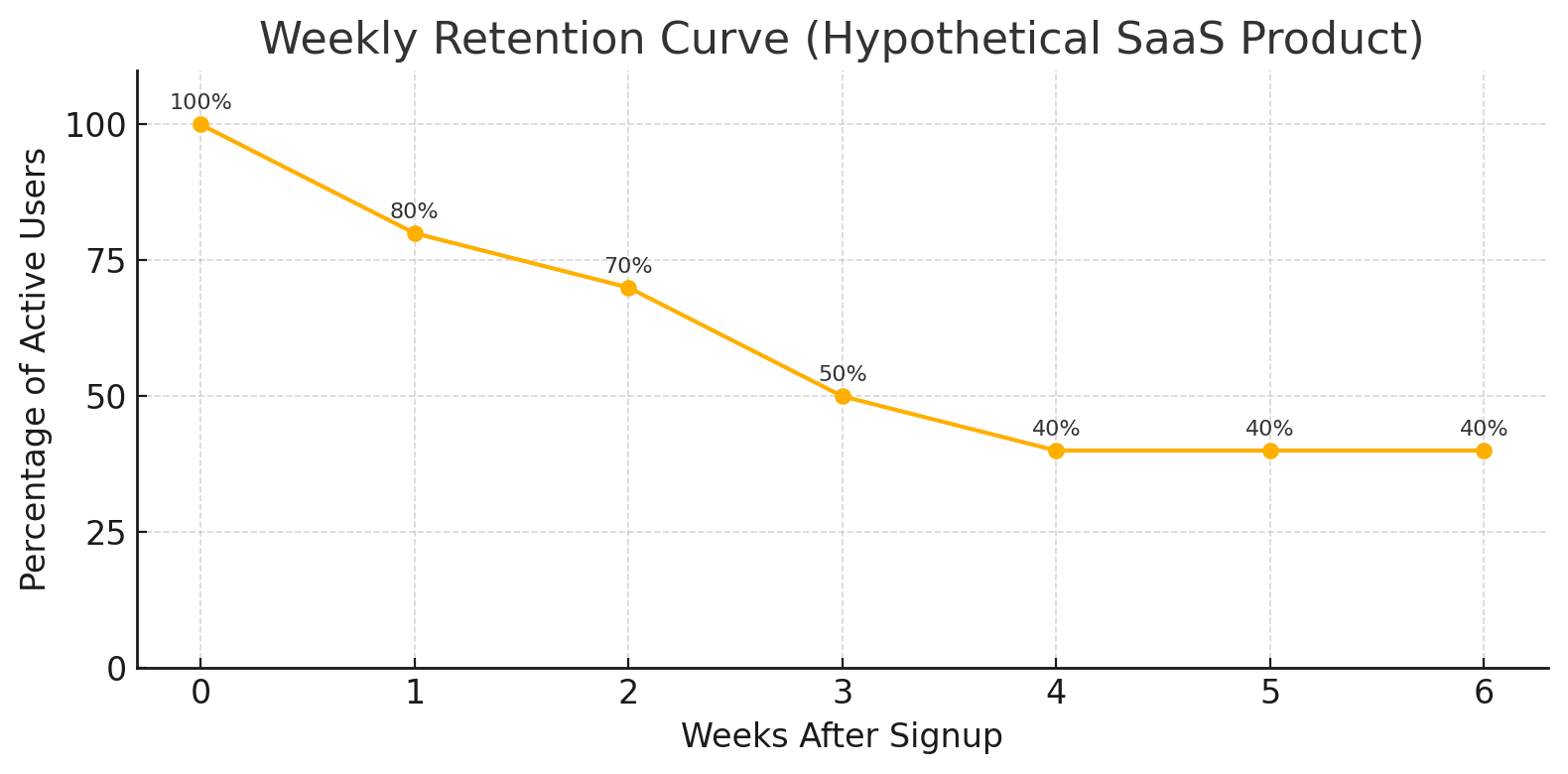
Account health & churn risk → Add Custify for health scores, alerts, playbooks
Reality check your data: Do you have event telemetry? Call transcripts? Warehouse? Who will own modeling?
Based on this framework, we shortlisted the top seven trending CX analytics tools of 2025.
Trending CX Analytics Tools of 2025
We have curated a list of the most powerful customer experience analytics tools that have already taken charge in 2025. Each tool is built to help businesses listen better, act faster, and grow smarter. Choose the one that suits your needs. Here is the quick comparison table.
1
Fin by Intercom
Support teams wanting AI‑first analytics across chat/email/voice/social
Conversations (bot + human), help center, CRM/helpdesk context
Topic Explorer, no‑survey CX Score, AI answer suggestions
Intercom ecosystem + major CRMs/helpdesks
Focused on interaction analytics (not full product analytics)
Unifies bot + agent analytics in one pane
2
Crescendo.ai
Global support with AI + human hybrid; VoC dashboards
Chat/voice/email/SMS transcripts
Automated CSAT/sentiment, root‑cause on handoffs
CRMs, VoC, support tools
Verify claims like “99.8% accuracy” before citing
50+ languages; VoC insights without manual surveys
3
Zendesk (Explore)
Teams wanting omnichannel reporting with minimal setup
Email, chat, voice, social; ticket metadata
Automated dashboards, trends
Broad SaaS ecosystem
Best at support analytics; pair with product/VoC for full view
Mature templates; easy rollout
4
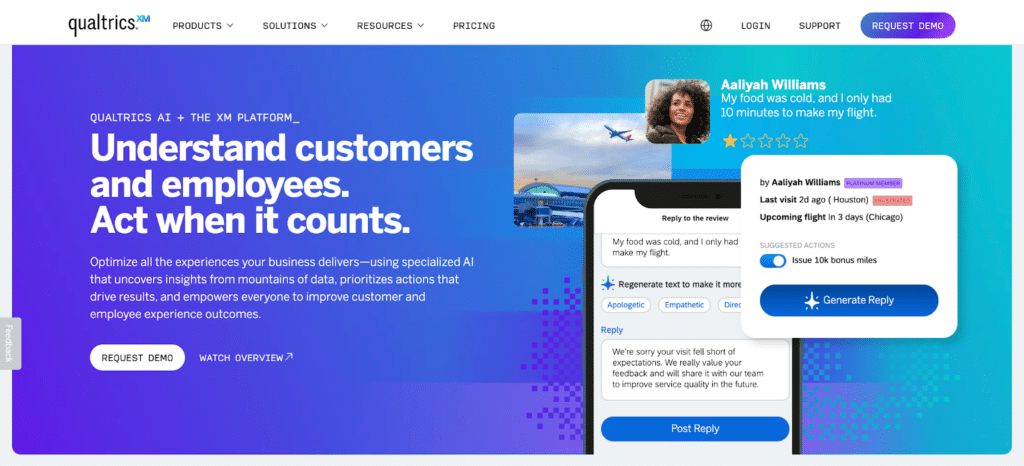
Qualtrics (XM)
Enterprises needing VoC + journey analytics at scale
Text analytics, key driver testing, impact measurement
Broad enterprise
Requires stakeholder alignment
Deep journey & impact analysis
7
Adobe Analytics
Large orgs needing unified digital/customer journey analytics
Web/mobile/product + offline joins
AI segmentation, forecasting
Adobe + enterprise data stack
Overkill for small teams
Strong identity/journey stitching
8
Custify (bonus)
Success teams needing health scores + churn prevention
Product usage, CRM, support, billing
Health‑score triggers, AI playbooks, alerts
CRMs, CS tools, warehouses
Not just a VoC survey suite
Retention analytics + churn prevention playbooks, health scores
Let’s explore these CX analytics tools in detail.
#1. Fin by Intercom
Best for: Deploying a fully flexible AI agent on chat, email, voice, and social media to manage and analyze end-to-end customer interactions.
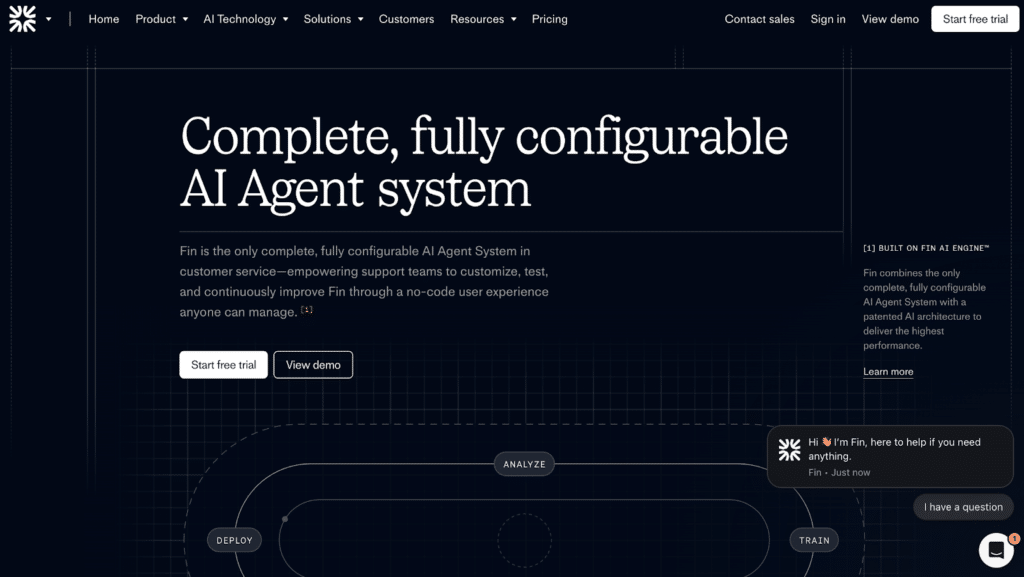
Details: Fin by Intercom is much more than just another chatbot. It presents itself as one of the most complete customer experience analytics tools that provide scalable AI-first support without compromising personalization. Built on top of the Fin AI Engine, it enables CX teams to analyze performance, assess quality, and improve further with a no-code interface.
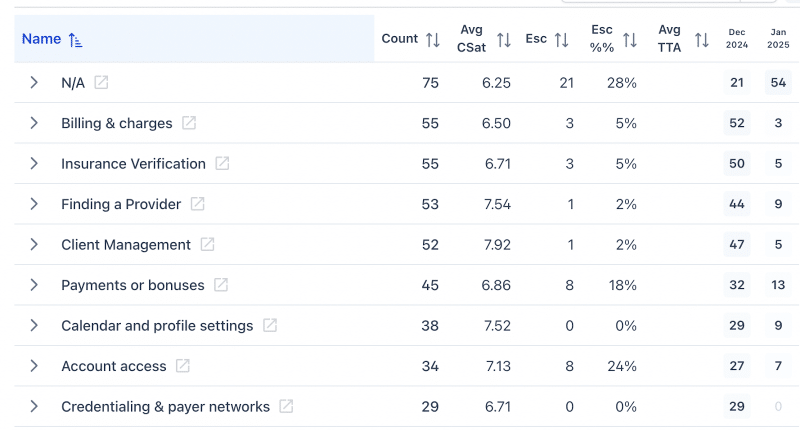
Topics Explorer: Groups conversations into topics and subtopics generated by AI to enable tracking of emerging issues and customer concerns in real time.
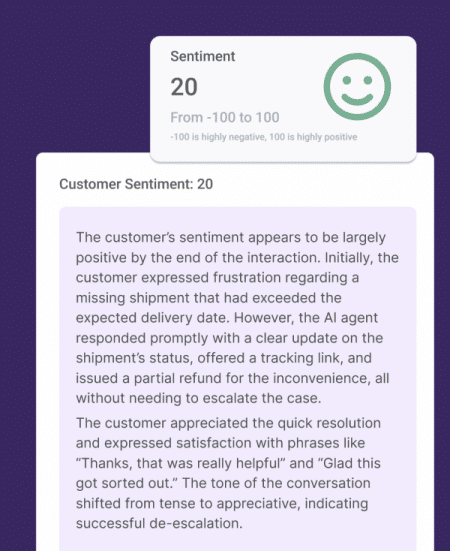
CX Score: A no-survey metric for gauging support quality across all conversations and helping you see support health at a glance.
Performance Dashboard: Shows resolution rates, involvement rates, and CX Scores to let you know what’s working and what’s not.
AI-powered Suggestions: Provide weekly insights to instantly improve Fin’s answers with a single click—no guesswork, no delay.
Holistic Reporting: Merges insights from both Fin and human agents to provide a top-level view of your customer experience ecosystem.
Case study: Road.io, an EV infrastructure startup, used Intercom’s Fin AI Agent to scale support without growing headcount, leading to reduced support costs and improved customer satisfaction. The team stayed lean and culture-first while managing exponential user growth, handling 10,000 conversations per month with the same 20-person team. Reference: Intercom
#2. Crescendo.ai
Best for: Automating customer service via chat, voice, SMS, and email, and understanding customer pain points by analyzing support interactions with AI.
Details: Crescendo.ai is one of the best customer experience analytics tools with its powerful NLP and LLM. It provides 24/7 AI-driven and human-backed support via live chat, voice, email, and SMS, and also has a robust VoC dashboard that contains insightful data of these customer conversations. It helps CX teams to understand customer pain points and take impactful actions. It reviews 100% of customer conversations without any manual surveys and calculates CSAT and sentiment analysis with 99.8% accuracy.
Key Components:
Hybrid Customer Support: It offers 24/7 Customer Service in 50+ languages on a global scale with AI and real human agents.
Full-fledged VoC Dashboard: Provides actionable reports with agent-wise and AI-bot-wise CSAT scores, ticket categories and trends, and areas that need improvement, all updated in real time.
Automated CSAT & Sentiment Analysis: Sentiments are detected, and CSAT is calculated based on tones, resolution times, usage of certain keywords, and the flow of the conversation, instead of relying on manual surveys.
Provides Metrics that Actually Work: Directly relate feedback to NPS, CSAT, and CES, then see the ‘why’ behind the numbers.
Smart Categorization: It tags issues automatically into categories such as billing, returns, technical issues, etc., to discover patterns and prioritize them.
Root Cause of Handoffs: Find out why interactions are routed to human agents so that further automation and agent training improvements can be established.
Technical Issues Detection: Recognizes recurring problems like payment fraud, system errors, and duplicate accounts to provide cross-functional insights.
Case study: Lovepop, a market leader in the greeting card industry, used Crescendo.ai’s “Joy” AI Assistant, and its response times dropped from 7 hours to just 18 seconds, while overall CSAT hit 94%, reaching 100% on AI-managed tickets. The brand managed its holiday surgewithout adding extra hires, ensuring seamless scalability and customer delight. Reference: Crescendo.ai
#3. Zendesk
Best for: Visualization of customer interactions across all support channels
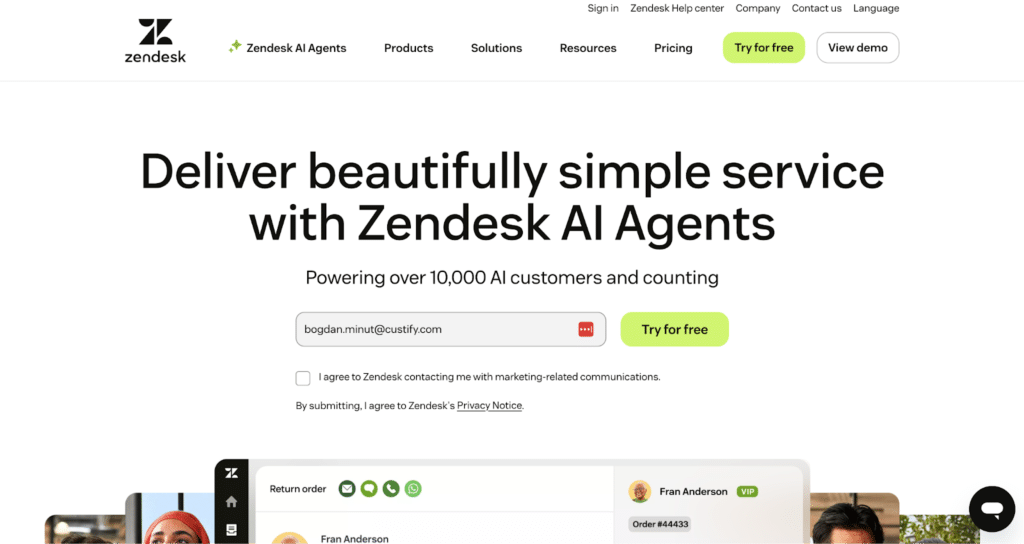
Details: Zendesk is among the reliable systems for customer experience analytics when you want your team to analyze data without relying on spreadsheets. Zendesk Explore, the reporting and analytics engine, delivers insights from every support channel in near real-time and in historical terms: email, voice, chat, social, and so on.
Key components:
Omnichannel visibility: It aggregates data from touchpoints to give you panoramic views of how customers interact from start to finish with your brand.
Pre-built and customized dashboards: CX leads or frontline managers can view the whole picture immediately, and installation or setup is seamlessly omitted.
Performance tracking: Follow metrics such as agent productivity, rates of resolution, and response time to get a feel for what’s working and what’s not.
Customer behavior insights: Customer patterns, pain points, and satisfaction trends for the service experience are understood to enhance the whole offering over time.
Collaboration-ready reports: Shareable metrics and dashboards across various teams keep everyone on the same page when talking CX.
Case study: Degreed, an ed-tech pioneer, switched from Salesforce to Zendesk and achieved $1 million in cost savings through AI-powered agents, automation, macros, and VoC insights. The move also helped them reach 100% customer net retention, highlighting significant gains in efficiency and customer loyalty. Reference: Zendesk
#4. Qualtrics
Best for: Capturing and analyzing omnichannel customer feedback to proactively close experience gaps and build long-term loyalty.
Details: Having gained the confidence of global enterprises, Qualtrics remains among the most powerful customer experience analytics tools for businesses focused on driving every customer interaction, digital or human, into a data-driven action. Qualtrics offers the Experience Management (XM) Platform, facilitating end-to-end feedback collection, analysis, and optimization across all channels and teams.
Key Components:
Omnichannel Experience Management: Aggregates data from surveys, calls, social media, chats, and review sites to deliver a single 360° customer view.
Digital Experience Analytics: Tracks users’ real-time behavior, such as clicks, rage taps, and form exits, to spot friction points before they impair conversions.
AI-Powered CX Metrics: Scores every customer interaction on sentiment, effort, and intent automatically and eliminates guesswork and survey fatigue.
Contact Center & Quality Management: Uses advanced conversational AI to find coaching opportunities, score 100% of calls, and identify compliance risk.
Location and Reputation Management: Captures data on the in-store experience and follows up on public reviews with AI-generated response templates.
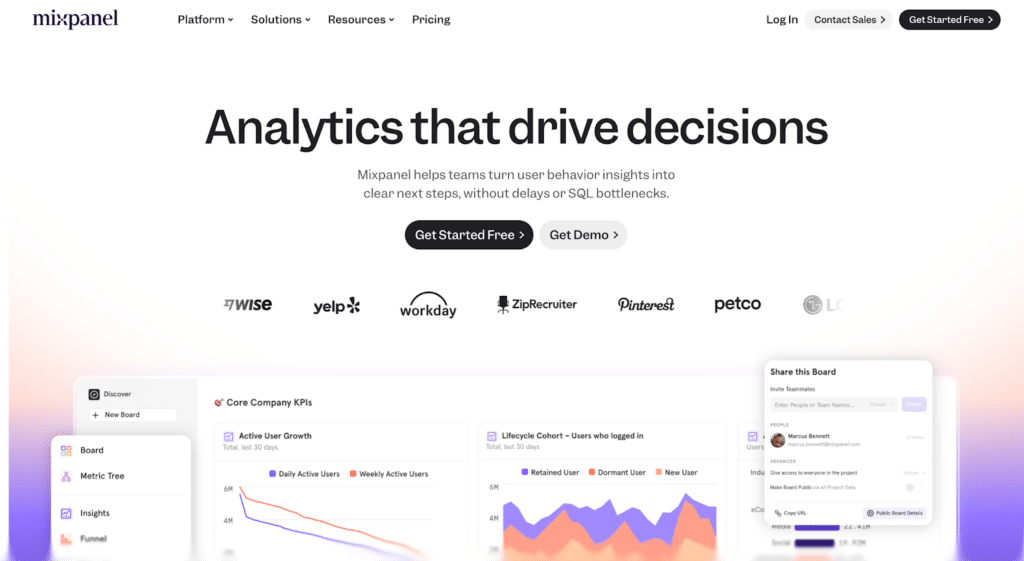
#5. Mixpanel
Best for: Tracking and analyzing in-product user behaviors to nurture engagement, retain users, and grow applications with real-time insights.
Details: If you are tired of guessing as to what your users come to do within your app or website, Mixpanel is one of the customer experience analytics tools that offers some certainty. Mixpanel empowers teams, product, marketing, support, or leadership to look in far greater depth into user journeys without ever needing to write a single SQL query.
Key Components:
Product Analytics: Find out how your users interact with each feature, funnel, or flow, and then rapidly move to increase adoption, retention, or conversion.
Session Replay: Get past the numbers and watch real user sessions to identify the pain points and see what clicks (or don’t) in real time.
Self-serve Dashboards: Executive-level or support agents can now get to these intuitive dashboards for faster, better decision-making.
Unified Data Layer: Connect data from product, marketing, billing, and NPS to break down the silos and create one source of truth.
Warehouse + SDK Connectors: Bring data from your warehouse, or Mixpanel streams it outright from digital products using Mixpanel SDKs.
#6. Medallia
Best for: Analyzing experience signals across the entire customer journey, from surveys to real-time conversations
Details: Medallia is not just another feedback management tool. It has been built to turn every interaction into actionable insight. Whether it’s call center transcripts, rage clicks, or survey responses, Medallia will help you make sense of all these. For true VoC and experience management at an enterprise level, Medallia provides the depth and clarity your CX team requires, from data to direction.
Key Components:
Unlimited Feedback Capture: Pulls in data from every sales cycle and touchpoint, including web, app, contact center, social media, and more, for a full 360° picture of the customer experience.
Text Analytics: Leverages AI to read chat logs, reviews, and open text responses, detecting sentiment, patterns, and root causes accurately.
CX Impact Measurement: Through A/B testing and key driver analysis built into the platform, it measures if changes truly affect the customer experience (via enhancements in a product or service).
Role-Based Reporting: Aligns teams with targeted, automated dashboards, alerts, and insights designed for a department or role.
Cohort & Custom Group Tracking: Tracks experience changes for regions, segments, and special groups to inspire targeted solutions.
#7. Adobe Analytics (by Adobe for Business)
Best for: Large businesses seeking real-time unified insights of customer journey over web, mobile, content, and product touchpoints
Details: Adobe Analytics is an advanced CX analytics tool designed for those in marketing, product, or business who demand clear visibility into the customer view across both digital and offline channels. The tool allows organizations to move from data to insight to action with unparalleled velocity and precision.
Key Components:
Customer Journey Analytics: Correlating online and offline interactions, device-level activity, and identity data to visualize the full journey- either B2B or B2C.
Web, Mobile & Product Analytics: Supporting any direct customer channel or product interaction at the very granular behavioral level, to be used for targeted optimization and engagement.
AI-driven Insights: Use generative AI to segment automatically, forecast trends, and identify high-impact opportunities spread over billions of data points.
Flexible Data Framework: Handle all kinds of structured and unstructured data sets in one centralized analytics hub.
Enterprise Reporting: Stakeholder dashboards for roles and real-time reporting keep the highest levels of decisions aligned and ready without needing analyst support.
Bonus: Custify (retention health‑score layer)
Best for: Customer Success teams that need account‑level health, churn prevention, and proactive expansion across B2B SaaS.
What stands out: Configurable multi‑input health scores (product usage, support, billing, sentiment), AI‑assisted playbooks, lifecycle automation (onboarding → adoption → renewal/expansion), shareable QBR/EBR portals, and role‑based dashboards.
Data sources: Product events/telemetry, CRM (companies/contacts/opportunities), support/ticketing, billing/payment events, surveys (NPS/CSAT/CES), and data warehouses.
AI & automation: Triggered playbooks from health/usage changes; AI‑drafted outreach and tasks; risk and upsell alerts; detachment/save sequences; re‑engagement nudges tied to milestones.
Integrations: HubSpot, Salesforce, Zendesk/Freshdesk/Jira/Intercom, Segment/Mixpanel/Amplitude, Snowflake/BigQuery, Slack/Teams, and iPaaS (Zapier/Make).
Implementation: 4–8 weeks typical with concierge onboarding; faster if core systems are already connected. No‑code health models once data flows.
Pricing model: Quote‑based; scales by accounts/feature tier.
Watch‑outs: Not a full VoC survey/interaction analytics suite—pair with CX/VoC or contact‑center tools if you need deep speech/text analytics.
Where it fits: Sits alongside your CX analytics to operationalize retention—converting insights into alerts, tasks, and shared plans; ideal when you want measurable impact (NRR, time‑to‑value, save rate).
Case note: Teams commonly use Custify to build segment‑specific health models and automate save‑playbooks when usage dips or payments fail; shareable customer portals keep value milestones visible during QBRs.
Book a 15-minute Custify demo to explore more.
Wrapping Up: Choosing the Right CX Analytics Platform
There are countless customer experience analytics tools in the market, but what you choose depends on your core objectives-whether it’s improving agent productivity, unlocking customer insights, or optimizing digital journeys. Consider tools that integrate well with your other systems, scale with your needs, and put your data into action.
FAQs
1. Is Mixpanel a CX analytics tool or product analytics?
Mixpanel is product analytics; pair it with VoC/contact‑center analytics for full CX coverage.
2. Do we need both VoC and product analytics?
If you want to connect what customers say to what they do, yes—use VoC for perception and product analytics for behavior.
3. What’s best for startups on a tight budget?
Tools with simple pricing and quick time‑to‑value; consider pairing product analytics with a lightweight VoC/chat analytics and add Custify for health scores when churn risk rises.
4. How long does implementation take?
From days (if you’re already on the vendor’s ecosystem) to several weeks for enterprise systems requiring data modeling and governance.
Experience the charming Zanzibar beaches across the archipelago. Powdery white sand, swaying palms and waters so blue that it almost looks unreal. There are few places on earth that embody tropical beauty as completely, as Zanzibar does. Add to it centuries of history, vibrant markets and traces of old-world charm and this destination becomes much more than just a beach escape. The pristine image of Zanzibar beaches has become iconic, drawing travellers from every corner of the world to experience life on the islands in Zanzibar. To many travellers Zanzibar is a most intriguing archipelago full of hidden treasures that they come to discover and relish.
This archipelago in Tanzania can boast of a cultural legacy shaped by centuries of trade. It also has extraordinary biodiversity both above and below the ocean surface. At the heart of it lies Unguja, often called Zanzibar Island, famous for its vibrant Stone Town. Beyond Unguja, smaller islands unveil hidden worlds like giant tortoises on Prison Island, coral reefs near Mnemba and sandbanks like Nakupenda that shift with the tides.
The islands in Zanzibar encompass a fascinating world that tourists love to explore.
Do check out: Off-season in Thailand: Why it’s worth it! – Flying Squirrel Holidays
Jump to Sections
Best time to visit Zanzibar
Top 10 Zanzibar Islands to explore
Luxury resorts in Zanzibar
How to get around Zanzibar Tips for a better travelling experience
How Flying Squirrel Holidays can help you
Best time to visit the Zanzibar islands
Choosing the right season can transform a trip to Zanzibar from memorable to unforgettable. The dry season, stretching from June to October, is widely regarded as the best period to experience the archipelago. During these months, the skies are clear, the seas are calm, and the sun illuminates the famous Zanzibar beaches in their full tropical glory. Snorkelling and diving conditions are excellent, making it the prime time to explore vibrant coral reefs and rich marine life.
From November to March, the weather turns warmer and the islands carry a lively, festive energy. This is when the turquoise waters around the Zanzibar beaches appear especially inviting for swimming and kitesurfing.
The rainy season arrives in April and May, bringing heavier showers but also offering quieter ambience and reduced accommodation prices. Whether travelling in peak season or off-peak, the archipelago ensures that the allure of Zanzibar never fades.
Top 10 Zanzibar islands to explore
Zanzibar isn’t merely one island; it’s a vibrant archipelago where each island tells its own unique story. While Zanzibar beaches are celebrated worldwide, the surrounding islets reveal coral reefs, cultural gems and tranquil escapes that make the archipelago unforgettable. Here are ten islands that showcase the diversity of Zanzibar.
1.Unguja (Zanzibar Island)
Unguja, often referred to simply as Zanzibar Island, is the beating heart of the archipelago and the most popular destination for travellers. Known for its rich cultural history, this island is home to the UNESCO-listed Stone Town, a maze of winding alleys, spice-scented markets and grand architecture that tells the story of centuries of trade and cultural exchange. From the lively shores of Nungwi and Kendwa to the more tranquil stretches at Matemwe, Jambiani, and Paje, this island has fascinating beaches.
What makes Unguja remarkable is its balance of heritage and natural beauty. Spice plantations dot the countryside, where guided tours justify the name “Spice Island.” Inland, lush forests like Jozani provide the chance to spot the rare red colobus monkey. Meanwhile, the east coast offers ideal conditions for kitesurfing, while the north and south are better suited for swimming and relaxation.
What to expect: A dynamic blend of history, culture, and seaside charm.
Ideal for: First-time visitors, culture seekers and those eager to enjoy beach life.
Unique experiences: Wandering around Stone Town, exploring spice farms and sailing at sunset on a traditional dhow.
2.Pemba Island
Just north of Unguja, Pemba Island—nicknamed the ‘Green Island’—boasts lush hills, fertile valleys and pristine landscapes waiting to be explored. Far less developed than its southern neighbor, Pemba offers an atmosphere of seclusion that feels worlds apart. Known as a diver’s dream, its coral reefs are considered some of the richest in East Africa, teeming with tropical fish, manta rays, and turtles. Unlike the busier shores of Unguja, this place is largely untouched, framed by mangroves and dotted with traditional fishing boats that give the island a timeless charm.
Although life here flows gently, there are lots of things to do on Pemba island. Swahili traditions thrive in the villages, clove plantations fill the air with their sweet aroma, and meandering dirt paths reveal secluded bays stretching toward an endless horizon where one can go for long walks. While luxury resorts are fewer here, the ones that exist blend seamlessly into the natural environment, making them ideal for privacy and tranquility.
What to expect: Remote, scenic landscapes and reefs that are among the most pristine in the Indian Ocean.
Ideal for: Honeymooners, diving enthusiasts and those seeking an authentic, uncrowded escape.
Unique experiences: Drift diving along untouched coral walls and visiting clove plantations.
3.Mafia Island
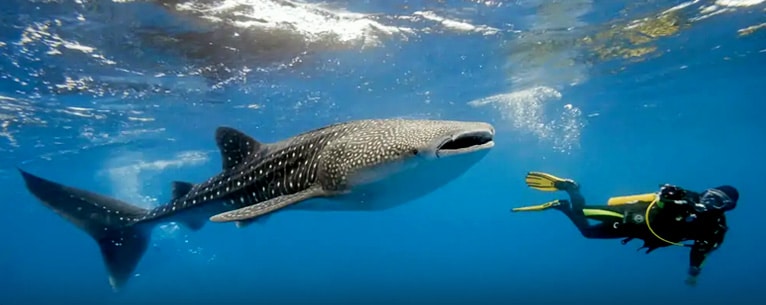
Though technically part of the Mafia Archipelago, Mafia Island is often included in conversations about Zanzibar due to its striking natural beauty and thriving marine life. Unlike the bustling main islands, Mafia offers a quieter, more remote experience. The island is most famous for its marine park, which protects one of the richest ecosystems in East Africa. Here, coral reefs host over 400 species of fish, while migrating whale sharks glide through turquoise waters from October to March.
One of the best islands in Zanzibar, the charm of Mafia Island lies in its adventure and serenity. Its fishing villages reflect traditional coastal life, while eco-lodges provide sustainable accommodations close to the sea. Inland mangroves and coastal forests add depth to the island’s landscape, giving travelers opportunities for birdwatching and kayaking.
What to expect: An untouched island where vibrant marine life thrives and the pace of life slows to a gentle rhythm.
Ideal for: Adventure divers, nature lovers and travellers looking for off-the-grid experiences.
Unique experiences: Swimming alongside whale sharks, diving in the protected Chole Bay.
Do read: 10 Best scuba diving destinations – Flying Squirrel Holidays
4.Latham Island
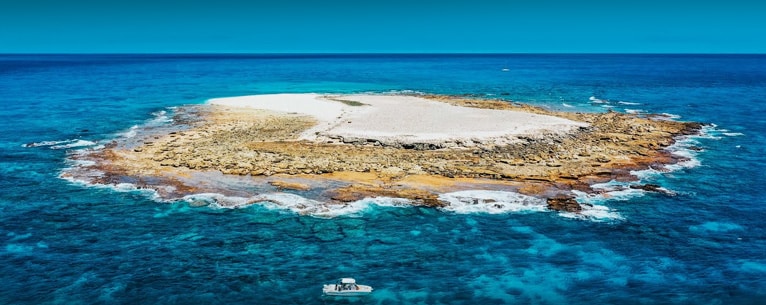
Latham Island, or Fungu Kizimkazi as locals call it, ranks among the most secluded and rarely visited islands in the Zanzibar Archipelago. Sitting far out in the Indian Ocean, this small coral outcrop is uninhabited and primarily recognized for its ecological significance. It serves as an important breeding ground for seabirds and turtles, making it a destination treasured by conservationists and adventurous travelers alike.
This isolated island is not a mainstream tourist spot but rather a haven for marine researchers, birdwatchers and experienced divers. Its surrounding waters drop steeply into the ocean, creating rich conditions for big-game fishing and advanced diving. The coral reefs here are spectacular but largely unexplored, offering glimpses of marine life rarely seen closer to shore.
What to expect: A raw, rugged island focused on wildlife and marine exploration rather than traditional tourism.
Unique experiences: Watching flocks of seabirds nesting on rocky cliffs, spotting sea turtles along the sandbanks and diving in crystal clear waters.
5.Prison Island (Changuu)
A brief boat journey from Stone Town brings you to Prison Island, or Changuu, a favorite destination for day-trippers exploring the Zanzibar Archipelago. Despite its ominous name, the island was never used as a prison for criminals; instead, it once housed a quarantine station during colonial times. Today, it is better known for its colony of giant Aldabra tortoises, some of which are over a century old. Visitors can walk among these gentle creatures, feed them and learn about their conservation. Beyond its historical sites and wildlife, the island boasts some of the most picturesque turquoise waters. Snorkeling is a major draw, with vibrant reefs around Changuu teeming with marine life and the island’s colonial-era ruins add an extra layer of fascination, offering visitors a deeper glimpse into Zanzibar’s rich past.
What to expect: A compact island that combines history, wildlife and scenic beauty in one stop.
Ideal for: Families, first-time visitors and visitors seeking a convenient outing close to Stone Town.
Unique experiences: Walking alongside giant tortoises, exploring historic ruins, and snorkeling in clear waters just off the coast. Pemba island is ideal for a day trip.
If you are planning a trip to Zanzibar just tell us what’s on your mind and we will take care of everything.
6.Nakupenda Island
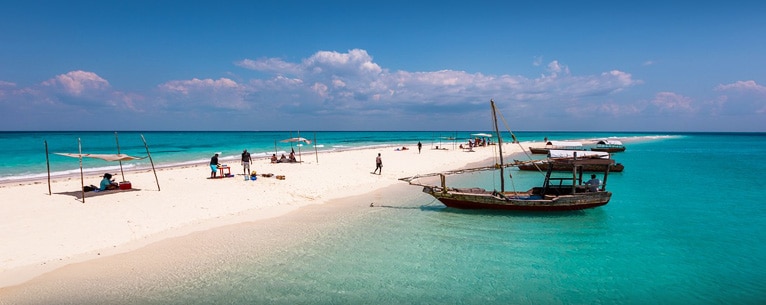
Nakupenda, meaning “I love you” in Swahili, is one of Zanzibar’s most enchanting natural wonders. Known as “The Vanishing Island,” it is a sandbank that emerges and disappears with the tides, creating an otherworldly setting in the middle of the ocean. Its soft white sand rivals some of the most beautiful Zanzibar beaches, yet its temporary nature makes every visit feel magical and fleeting.
A visit to Nakupenda is often combined with a boat trip from Stone Town and many tours include freshly prepared seafood barbecues on the sand. The waters here are shallow, making it a safe and enjoyable spot for families, while snorkelers are rewarded with schools of colourful fish dancing along nearby reefs.
What to expect: A sandbank paradise that exists only for a few hours each day, shaped by the rhythm of the tides.
Ideal for: Honeymooners, photographers and travellers seeking a romantic or unique escape.
Unique experiences: Enjoying a beach picnic on the ocean, snorkelling in turquoise waters, and walking barefoot on sand that feels like silk.
7.Tumbatu Island
Tumbatu Island, lying off the northwest coast of Unguja, is one of Zanzibar’s most culturally rich yet lesser-known islands. Access is limited, requiring special permission from village elders, which has helped preserve its traditions and way of life. Tumbatu remains deeply rooted in its Swahili heritage. Visitors are welcomed into fishing villages where dhows rest along the shoreline and life follows rhythms unchanged for centuries.
The island is also a haven for divers and snorkelers, with coral reefs that remain vibrant and relatively untouched. The ruins of ancient Shirazi mosques on Tumbatu Island stand as a reminder of the island’s rich historical importance in the archipelago. The island emphasizes authenticity over luxury, presenting an atmosphere far removed from the polished resorts lining other Zanzibar beaches.
What to expect: A secluded island steeped in history, culture and natural charm.
Ideal for: Culturally curious travellers, history enthusiasts and those who prefer quiet alternatives.
Unique experiences: Exploring centuries-old ruins, meeting villagers who maintain traditional lifestyles and snorkeling over unspoiled reefs.
8.Uzi Island
Situated off Unguja’s southern coast, Uzi Island is a hidden treasure reachable via a causeway during low tide. The island is dominated by dense mangroves, small fishing villages and abundant birdlife, offering an authentic slice of coastal life in Zanzibar.
Walking along these sandy shores, the only sounds one can hear are gentle waves and the calls of seabirds. Uzi also offers kayaking through its mangrove channels, a unique perspective on the island’s intricate ecosystem.
What to expect: Tranquil surroundings, abundant wildlife and an authentic village experience.
Ideal for: Eco-travellers, photographers and anyone seeking quiet retreats away from mainstream Zanzibar beaches.
Unique experiences: Kayaking through mangrove forests and observing nesting birds.
9.Mnemba Island and Atoll
Off the northeast coast of Unguja lies Mnemba Island, a private atoll that defines exclusivity and luxurious seclusion. Surrounded by one of Zanzibar’s most vibrant coral reefs, it offers crystal-clear waters and abundant marine life. The island’s privacy and limited access ensure that visitors can enjoy sun-soaked sands without crowds, making it ideal for honeymooners and luxury seekers.
The sparkling beaches of Mnemba feel untouched, offering a rare combination of natural beauty and exclusivity.
What to expect: High-end accommodations, pristine waters, and well-preserved coral reefs.
Ideal for: Honeymooners, couples and travellers seeking a secluded getaway.
Unique experiences: Snorkeling with colorful reef fish and dolphins, private beachfront dining and exploring the coral gardens surrounding the atoll.
10.Chumbe Island
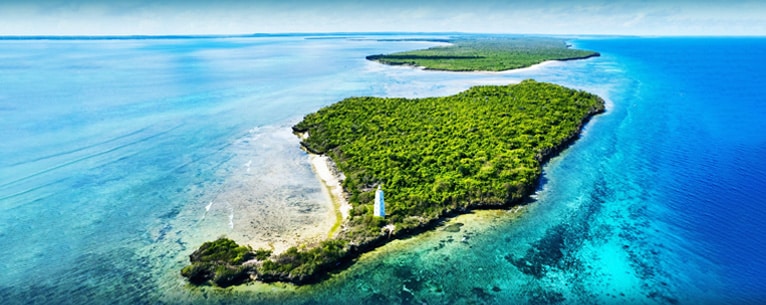
Chumbe Island is a protected marine reserve and eco-tourism haven located southwest of Unguja. Renowned for its award-winning eco-lodge and some of the most diverse coral gardens in the Indian Ocean, the island exemplifies sustainable tourism in Zanzibar. Unlike the more frequented islands in Zanzibar, Chumbe’s shores are untouched, offering a rare opportunity to enjoy pristine sand and clear waters in complete seclusion.
The island’s coral reefs are home to an incredible variety of marine life, making it a paradise for snorkelers and divers. The balance of marine and terrestrial ecosystems creates a holistic natural experience.
What to expect: Eco-friendly accommodations, thriving coral reefs, and secluded beaches.
Ideal for: Eco-travelers, nature enthusiasts, and those seeking a quiet retreat away from busy Zanzibar beaches.
Unique experiences: Visitors can explore the reef on guided eco-tours, discovering vibrant fish, sea turtles and delicate corals. Walking trails wind through lush vegetation, providing habitat for rare birds and native plants.
Also read: Best time to visit Seychelles – Flying Squirrel Holidays
Luxury resorts in the Zanzibar islands
Zanzibar is home to some of the most luxurious resorts in the Indian Ocean, offering world-class hospitality alongside access to the archipelago’s iconic beaches. These resorts combine comfort, privacy, and stunning natural surroundings to create unforgettable experiences for travelers seeking upscale accommodations.
Park Hyatt Zanzibar
Located in Stone Town, the Park Hyatt combines historic elegance with contemporary luxury. Guests can relax in sophisticated rooms featuring private terraces, sweeping ocean views and a rooftop pool that overlooks the historic streets below. While the resort offers city conveniences, its curated excursions bring travelers to nearby beaches. Personalized spa treatments, fine dining and guided tours to spice plantations further enhance the luxurious stay.
Baraza Resort & Spa
Nestled on the southeastern coast near Bwejuu Beach, Baraza Resort is a Swahili-style retreat offering villas with private pools and ocean views. Guests can indulge in beachfront dining, holistic spa therapies and traditional dhow cruises. The resort’s location ensures immediate access to a tranquil beach, perfect for sunbathing, snorkeling or romantic walks along white sands. Attention to detail in décor and service reflects the height of luxury.
Zuri Zanzibar
Set on the western shores of Kendwa, Zuri Zanzibar provides an eco-conscious luxury experience with stunning oceanfront villas and suites. Infinity pools overlook the sparkling waters, and yoga sessions on the beach enhance wellness-focused stays. The resort offers curated culinary experiences, including seafood feasts and sunset cocktails on the sand, blending nature with indulgence.
The Residence Zanzibar
Located on the southwest coast near Kizimkazi, The Residence features expansive villas with private pools and direct access to the beach. Activities include diving, snorkeling, and dolphin-spotting excursions. The resort also emphasizes holistic wellness with spa treatments and private yoga classes, ensuring guests enjoy both luxury and connection with the natural surroundings.
Essque Zalu Zanzibar
Perched above Nungwi, Essque Zalu merges modern design with traditional Swahili architectural elements. Villas and suites feature ocean-facing balconies, infinity pools and private butler service. Guests can enjoy water sports, romantic dinners, or simple relaxation on the sand. Dining options include gourmet seafood restaurants emphasizing local flavors.
Do check out: Luxury resorts in India that redefine opulence – Flying Squirrel Holidays
How to go around the islands in Zanzibar
Exploring the Zanzibar Archipelago involves a mix of boats, dhows, ferries, and local transport, offering both convenience and adventure while connecting travelers to islands. Understanding the best ways to navigate the islands ensures smoother trips and maximizes time spent enjoying the archipelago’s natural and cultural highlights.
. By boat and dhow
The most common way to reach outer islands like Prison Island, Nakupenda, Mnemba, and Chumbe is by boat. Traditional dhows, often equipped for snorkeling and day trips, provide a scenic journey through turquoise waters. Speedboats or private charters offer faster travel and are ideal for visiting remote beaches or sandbanks. Many operators include snorkeling stops, allowing visitors to explore vibrant coral reefs and swim in waters fringed by powdery sand.
. By ferry
Ferries connect Unguja to Pemba and other nearby islands. These are longer journeys but offer a comfortable and budget-friendly option for travellers. Watching the ocean pass by while heading toward secluded Zanzibar beaches adds a sense of anticipation and adventure. Ferries often accommodate luggage and bicycles, making multi-island trips feasible.
. By local transport Once on Unguja or Pemba, local transport includes taxis, rental cars, and minibuses. These vehicles provide access to inland attractions and spice farms. Hiring a local guide or driver is highly recommended, as it eases navigation and provides insights into hidden coastal spots and quiet stretches of sand.
· Private charters For luxury seekers, private yachts or charters offer bespoke itineraries, allowing travelers to visit multiple islands in Zanzibar. From sunrise to sunset, private trips provide flexibility for diving, snorkeling, or simply enjoying deserted sandbanks without crowds.
Tips for a better travelling experience
Exploring Zanzibar’s islands is rewarding when prepared with practical knowledge. Following these tips enhances safety, comfort, and overall enjoyment while respecting local culture and the environment.
Transport: Ensure all inter-island transfers are arranged through licensed boat operators for safety and reliability. Reliable services ensure safe travel and smooth access to remote islands like Nakupenda, Mnemba, and Chumbe.
Cultural etiquette: Modest dress is recommended in villages and Stone Town. Respectful clothing helps maintain local traditions.
Money: Carry cash in Tanzanian shillings, as smaller islands and local markets rarely accept cards. This is particularly important when paying for boat rides, snacks or entry to secluded Zanzibar beaches.
Health & safety: Drink bottled water, avoid isolated beaches after dark, and respect marine life when snorkeling or diving. These precautions safeguard health while preserving the natural beauty of the islands.
Timing: Plan visits around tides to enjoy sandbanks like Nakupenda at their fullest.
Respect nature: Do not litter, step on coral, or disturb wildlife.
How Flying Squirrel Holidays can help you explore Zanzibar
Planning to explore the islands of Zanzibar? Flying Squirrel makes your journey effortless. We guide you to the best times to visit, recommend the most pristine beaches, and ensure you experience each island’s unique charm, from historic Stone Town on Unguja to the secluded sandbanks of Nakupenda.
For travellers seeking adventure or relaxation, we arrange smooth inter-island transfers, private tours and snorkelling or diving excursions at Mnemba, Pemba, or Chumbe. Our experts craft itineraries tailored to your interests, like luxury stays, cultural exploration, wildlife encounters, or wellness retreats. We handle flights, hotels, transfers and guided tours, and you can reach us over the phone 24/7.
You tell us your preferences and we take care of the rest, ensuring every day on Zanzibar’s islands is memorable.
Call +91 33 4052 5777 or visit www.flyingsquirrelholidays.com to start planning your perfect Zanzibar escape.
FAQs
What are the must-visit islands in Zanzibar? Unguja, Pemba, Mafia, Nakupenda, Mnemba, Chumbe, Uzi, Tumbatu, Prison Island, and Latham Island are the top destinations.
When is the best time to visit Zanzibar islands? The dry season from June to October is ideal. Travelers can enjoy clear skies and calm seas.
How do I get to the outer islands? Boats, dhows and ferries connect the islands. Using licensed operators ensures safety while reaching secluded Zanzibar beaches.
Are Zanzibar beaches suitable for first-time visitors? Yes. Unguja’s Nungwi and Paje beaches, along with Nakupenda, are accessible and scenic.
What activities can I do on the islands? Snorkelling, diving, and sailing. Also, whale shark encounters on Mafia and turtle watching on Prison Island are unique experiences.
Can I stay overnight on the smaller islands? Some islands, like Mnemba and Chumb, offer luxury eco-lodges. Guests enjoy exclusive access to private beaches.
How should I dress while visiting the Zanzibar islands? Modest clothing is recommended, especially in villages and Stone Town. Swimwear is acceptable on beaches, but local norms should be respected.
Is it safe to swim at Zanzibar beaches? Most Zanzibar beaches are safe for swimming. Avoid isolated beaches at night and always follow local advice regarding tides and currents.
What should I carry for a day trip to the islands? Bring cash in Tanzanian shillings, bottled water, sunscreen, and snorkeling gear.
Are Zanzibar beaches family-friendly? Yes. Beaches like Nungwi, Jambiani, and Nakupenda are ideal for families, offering shallow waters, soft sands and safe areas for children to explore.
January is about new beginnings. With the Christmas and New Year holiday season behind, the cost of flights and hotels go down, crowds at destinations become thinner and you can embark on a holiday at a more relaxed pace. January is the month when you can have adventures in the snow, beaches also have great weather and it’s ideal weather at many places for cultural festivals, city tours and heritage walks. No matter what you are looking for, January is a wonderful month to plan your holiday.
In this blog we will discuss the most amazing places to visit in January in different parts of the world. It can be the Arctic scenery or the tropics, vibrant local festivities, or a natural marvel; all these places have been carefully chosen by us. These places do not witness overwhelming tourist footfall nor can you call these off-beat. But these are places that are perfect for your January travel plans.
You may also read: Best countries to visit in February – Flying Squirrel Holidays
Place
Weather
Top Things to Do
Svalbard Norway
–20°C to –10°C (extreme cold)
Northern Lights, snowmobiling, dog sledding, glacier hiking, ice cave walks
Shetland Islands Scotland
2°C to 6°C (cold & windy)
Up Helly Aa fire festival, coastal walks, Viking sites, birdwatching
Trekking Mount Fitz Roy, glacier walks, mountain lakes, hiking trails
Taiwan Pingxi and Jiufen
12°C to 18°C (cool)
Lantern festival, Jiufen old streets, tea houses, temples, nearby trails
Why you must travel in January
January is not only the month of discounted flights or less traffic, it is also the month of experiences which you will never find in any other month. Here’s why exploring the best places to visit in January feels extra rewarding:
Winter wonderlands: It is time to watch the Northern Lights, frozen scenery and snow magic.
Sunny escapes: In January, when it is cold, tropical beaches and warm deserts are ideal; not too hot, not too humid.
Special festivals: In Scotland, there are fire festivals, and in Asia, there are lantern festivals in January.
Wildlife at its best: January is typically the month of birdwatching, whale watching, or safaris in many regions of the world.
Top 10 places to visit in January
In the Northern Hemisphere January has snowy winters and in the Southern Hemisphere it’s summer with plenty of opportunity to spend time at the beach or embark on tropical adventures. In some places January is about very pleasant weather allowing you to go for long walks in the lap of nature or exploring the heritage and architecture of cities and towns.
We have curated a list of some amazing places best suited for your January holiday.
Svalbard, Norway
Svalbard is one of the best places to visit in January since it is situated in the high part of the Arctic Circle. It is snow-white and icy, a country of polar nights when the sun is barely visible and which, in fact, makes the Northern Lights brighter. This is the northernmost town on the planet and is an intriguing combination of nature, wildlife and Arctic culture.
What to do: Northern lights, sightseeing, snowmobiling across icy valleys, dog sledding, walking in ice caves, glacier hiking and a boat trip through frozen fjords.
Local experience: Watch polar bears, reindeer and arctic foxes, explore the town of Longyearbyen and eat local arctic food in warm cafes.
Weather: Extreme cold (–20°C to –10°C)
Stay duration: 4 to 6 days
Budget: ₹2.5 – 3 lakhs
Shetland Islands, Scotland
One of the best places to visit in January is the Shetland Islands in Scotland, which is very unique. These islands are rough and untamed. While the topography is marked by rugged terrain and jutting cliffs, every nook and cranny of the island screams of dramatic Viking history. The month of January is also the month of the popular Up Helly Aa fire festival, and it is a good month to visit.
What to do: Attend the Up Helly Aa fire festival where the locals dress like Vikings and thousands take part in a procession with flaming torches. Hiking on coastal cliffs, ancient Viking sites, birdwatching, and finding hidden beaches.
Local experience: The friendliest locals, traditional Scottish music, fresh seafood, Lerwick town and museums.
Weather: Cold and windy (2°C to 6°C)
Stay duration: 3 to 5 days
Budget: ₹2–2.5 lakhs
Do check this: Best Countries to Go in April: Top 20 Destinations for Every Kind of Traveler – Flying Squirrel Holidays
Baja California, Mexico
Baja California is sunny, colourful and is one of the best places to visit in January if you like beaches and wildlife. It has deserts, rugged mountains and a long coast along the Pacific. The grey whales, sea lions swimming around and relaxing on the coast of Mexico are the best reasons to visit here. Hot days and nights are cooler, so it is a nice retreat during winter.
What to do: Whale watching tours, snorkeling, scuba diving, boat rides, adventure in desert landscapes and white-sand beach relaxation.
Local experience: Sample local fish tacos, visit local markets, local colonial towns and Mexican festivals.
Weather: Pleasant warm (12°C to 24°C)
Stay duration: 5 to 7 days
Budget: ₹2–2.5 lakhs
Salta & Jujuy, Argentina
Some of the best places to visit in January include Salta and Jujuy in Northwest Argentina, which are extremely colourful. These areas offer you nature and culture with painted mountains, salt flats and vineyards. Here it is summer in January and the streets are filled with people enjoying the lively festivals.
What to do: Holy salt flats, Train to the Clouds is a stunning train journey through the landscapes of Argentina, vineyards, hiking colourful hills and colonial towns.
Local experience: Try traditional empanadas, attend local summer festivals, Andean craft shopping, folk music and dance.
Weather: Warm (15°C to 28°C)
Stay duration: 5 to 7 days
Budget: ₹2.5 – 3 lakhs
Danakil Depression, Ethiopia
Danakil Depression is among the most unique locations to visit during January. It is considered one of the hottest and lowest places on earth and has great landscapes with active volcanoes, colourful salt lakes and lava fields. January is among the limited months during which the heat is tolerable by travellers.
What to do: See the Erta Ale volcano, salt mines, bubbling sulfur springs, walk over lava fields, ride camel caravans.
Local experience: Get to know the Afar people, salt trading, local Ethiopian food and local villages.
Weather: Hot but manageable (20°C to 30°C)
Stay duration: 3 to 4 days
Budget: ₹2–2.5 lakhs
If you are planning a trip in January, tell us what’s on your mind, and we will curate the itinerary for you
Kerala Backwaters, India
The backwaters in Kerala is one the most serene, green and calm places but it can get really hot during summer. The weather is cool and pleasant in the winter months in India, so it is one of the best places to visit in January. It is also the ideal time when one can enjoy a houseboat cruise, go floating by palm trees and observe village life along the canals.
What to do: Houseboat cruise, canoe ride, walking the village, birdwatching, Ayurveda spa treatments.
Local experience: Stay in local homestay, enjoy Kerala style sea food, Kathakali dance performances, local village life.
Weather: Pleasantly cool (22°C to 30°C)
Stay duration: 3 to 5 days
Budget: ₹50,000–1 lakh
Madeira, Portugal
Madeira is one of the most beautiful places to visit in January, which is also referred to as the island of eternal spring. The Portuguese island has a cool climate, green mountain ranges, and a beautiful ocean. In January you can go hiking, lounge by the calm beaches and make the most of the island when it’s not crowded with tourists.
What to do: Hiking in the mountains, walking along the coast, dolphins and whale watching, botanical gardens and local wine tours.
Local experience: Visit Funchal town, Funchal wine, taste Madeira wine, sample espetada (skewers of meat), folk music and festivals.
Weather: Mild pleasant (15°C to 20°C)
Stay duration: 4 to 6 days
Budget: ₹2–2.5 lakhs
Check this out: Best Countries to visit in May – Flying Squirrel Holidays
Oman, Empty Quarter Desert
The largest sand desert in the whole world is the Empty Quarter, also known as Rub’ al Khali, which is also one of the most interesting places to visit in January. Yellow dunes go on and on, and the winter nights are pleasant. January is the perfect time to discover this desert marvel.
What to do: Desert safari, dune bashing, camel rides, camping under the stars and sandboarding.
Local experience: Visit Bedouin tribes, experience Omani coffee and dates, go to desert oases and visit local souks around.
Weather: Cool desert (15°C to 25°C)
Stay duration: 3 to 4 days
Budget: ₹1.5–2 lakhs
El Chaltén, Argentina
El Chaltén is known as the trekking capital of Argentina and one of the best places to visit in January. The setting of this small town in Patagonia is ethereal. It is enclosed by glaciers, turquoise lakes and mountain peaks. Here, it is summer in January and therefore, the weather is ideal to have outdoor adventures.
What to do: Hiking up Mount Fitz Roy, hiking tracks around the Laguna de los Tres and Laguna Capri, walks along the glaciers, mountain lakes and boat-hikes.
Local experience: Spend the night in rustic lodges, eating Patagonian lamb dishes, meeting with local climbers, and enjoying craft beer at local pubs.
Weather: Cool and pleasant (10°C to 20°C)
Stay duration: 4 to 6 days
Budget: ₹2.5–3 lakhs
Taiwan, Pingxi & Jiufen
January in Taiwan is magical around Pingxi and Jiufen. These are the most beautiful towns to see in January due to the lantern festival, the mountain and the old world. It is a great place to explore because of the cool weather.
What to do: Visit the Pingxi lantern festival, stroll on the old streets at Jiufen, go into tea houses, visit temples in the mountains and explore the surrounding trails.
Local experience: Release sky lanterns, enjoy Taiwanese street food, visit night markets, and enjoy local teas.
Weather: Cool (12°C to 18°C)
Stay duration: 3 to 5 days
Budget: ₹1.5–2 lakhs
Must read: 25 best countries to honeymoon – romantic escapes for every couple – Flying Squirrel Holidays
How to choose your destination
Not every trip is the same; it depends on what you wish for your holiday. When deciding on the ideal places to go in January, you should take into consideration the kind of experience you desire:
Adventure: Go to Svalbard in Norway, El Chalten in Argentina or in the Empty Quarter in Oman and do the outdoor adventure and go on a trek on the snow and take part in outdoor activity.
Relaxation: In case you are just aiming to relax, go to places like Kerala backwaters or Madeira in Portugal where you can have the best time under the sun.
Cultural immersion: Go to Taiwan if you appreciate traditions and festivals. Go to the Lantern festival in Tan and Pingxi in Taiwan or learn about the fire festival in the Shetland Islands in Scotland.
Tips for planning a January trip
A trip in the month of January is fantastic, but with the help of a little preparation, the trip will be even better. Whether you are going on a trip to the icy deserts or to the sunlit beaches, the tips below may help you organize your trip to the most significant places to visit in January:
Packing: Pack according to the weather.Thermal clothes, jackets, gloves and boots in case of the cold. All it takes in tropical destinations are light cottons, hats and sunscreen. Don’t forget essentials like medicines, a power bank, and travel documents.
Budgeting: Have your budget sorted out when you start to book. Add some extra money for activities, shopping and a local food experience.
Early reservations: January in one country is low season, and high season in another country. Book flights, hotels, and tours at least 2-3 months early and specifically those experiences that are favoured, like the Northern Lights or other major events.
Travel insurance: It would always be worthwhile to buy travel insurance cover. It covers medical emergencies or delays, or cancellations and gives a sense of security.
Local research: Study on local practices, food and transportation prior to visiting. This will make you enjoy the journey and have no surprises.
Currency & payments: While traveling outside the country, make sure to keep an eye on the exchange rates and carry a mix of cash, a forex card, and international debit/credit cards.
Plan your journey with Flying Squirrel Holidays
Dreaming of your next trip? We can assist you to make it come true. At Flying Squirrel Holidays we build a travel plan according to your aspirations and budget. We do the visa, bookings and curated itineraries so you don’t have to worry about anything but enjoy the experience. Get to know the best places to visit during January with us and have a lifetime of memories.
Call us at +91 33 4052 5777 or email us at [email protected]
FAQs
Where should I go in January?
Choose cold places if you want to do activities on snow and warm places if beach and city tours attract you.
Why is January a good time to travel?
The Christmas and New Year rush is over so it’s less crowded and you can also get better deals.
Is January a good time to visit Europe?
Yes, if you love fewer crowds, winter markets and snow sports.
Which unique festivals happen in January worldwide?
In the world of SaaS, understanding business data is mission-critical. However, while everyone talks about churn rate, MRR, or NPS, two metrics quietly drive long-term success: User Retention Rate (URR) and Annual Contract Value (ACV).
They’re core indicators of customer health and revenue potential. URR shows whether users stick with your product after onboarding. ACV helps you understand the financial weight of each customer relationship. Used together, they form what we call the “engagement-to-revenue” feedback loop—a simple but powerful way to align Customer Success with bottom-line growth.
In this guide, we’ll unpack what URR and ACV mean, why they matter, and how they work together to boost retention, drive expansion, and shape scalable Customer Success (CS) strategies. We’ll also explore real-world examples from SaaS companies using these metrics to fuel growth—so you can do the same.
The Importance of Metrics in SaaS Success
Metrics are the foundation of every wise decision, from how you onboard users to where your customer success team spends their time. Without the right KPIs, it’s impossible to know what’s working, what’s not, and which customers are silently slipping away.
While high-level numbers like Monthly Recurring Revenue (MRR) or Customer Lifetime Value (CLTV) are great for executive dashboards, they don’t tell the whole story of customer engagement or potential growth. That’s where User Retention Rate (URR) and Annual Contract Value (ACV) come in.
Together, they give your team a strategic edge:
Spot red flags early (like a high-ACV account with dropping URR)
Tailor your engagement based on customer value and behavior
Align customer success with revenue, not just satisfaction
What URR Is and Why It Matters
Usage Retention Rate (URR) measures the percentage of users who continue to actively engage with your product after completing the onboarding phase. It provides a clear indication of how well your product delivers value early in the customer journey—an essential factor in preventing churn and fostering long-term engagement.
It shows how many users continue actively engaging with your product after they complete onboarding. It tells you if customers are getting real value from your product—early and often. And that’s the data you need to reduce churn and drive product adoption.
How to Calculate URR
The formula is straightforward:
URR (%) = (Number of active users in a given period ÷ Number of users at the beginning of that period) × 100
Let’s break it down with a simple example: Your SaaS platform onboarded 1,000 users in Month 1. In Month 2, 700 of them returned to use the product. That’s a URR of 70%.
This tells you that 30% of your newly onboarded users failed to engage within a month—an early red flag that can inform onboarding tweaks, feature walkthroughs, or tailored success touchpoints.
Why It Matters for CS and Product Teams
Customer Success teams can use URR to:
Identify drop-off points post-onboarding
Tailor engagement campaigns based on real usage
Flag accounts at risk before churn happens.
Meanwhile, Product teams can:
See which features get used
Refine UX based on usage trends
Prioritize development based on user stickiness.
In short, URR turns vague satisfaction into explicit action. It’s beneficial during the first 30 to 90 days when customers are still forming habits around your product.
Want to go deeper? Check out our guide to turning retention data into actionable strategies with Custify.
Real-world example: Mailchimp tracked user retention closely post-onboarding, discovering a significant improvement in URR after introducing interactive onboarding tutorials. This drove a 22% increase in user retention within 60 days.
What is a retention curve?
Below is a retention curve for a hypothetical B2B SaaS app. It tracks the share of users who remain active in each of the first six weeks after signup.
Week 0 starts at 100 % because the entire cohort has just onboarded.
By Week 3, only 50 % are still logging in—an attrition pattern that’s perfectly normal in most freemium or trial funnels.
Notice the plateau at 40 % from Week 4 onward. That flat tail is gold: it tells you a sizable slice of the cohort has found enough value to form a habit and stick around for the long-term.
Real-world parallel:
When productivity platform Notion saw its retention curve flatten at just 30 % after the first month, the CS team launched an in-app “Workspace Basics” tour that surfaces collaboration features the moment a user invites a teammate. Within one quarter, Week-3 retention climbed to 47 % and average ACV per account jumped 18 %.
The takeaway? Use early-cohort retention data to pinpoint (and replicate) your product’s “aha” moment.
Why URR Is a Critical Metric for SaaS Customer Success
In fast-scaling SaaS businesses, keeping customers satisfied isn’t enough—you need to ensure they consistently engage with the product. That’s where User Retention Rate (URR) comes in. It bridges the gap between product adoption and long-term loyalty by showing how sticky your product really is in the critical early days after onboarding.
URR doesn’t just track usage—it surfaces patterns that help Customer Success (CS) teams act early, support intelligently, and scale outcomes across their portfolio.
URR Reveals True Product Adoption
While financial metrics tell you how much revenue a customer brings, only User Retention Rate (URR) tells you how much value they’re actually getting—and when that value starts to fade. This insight enables Customer Success (CS) teams to take proactive steps before customers disengage silently.
By closely monitoring URR, CS teams can:
Spot declining engagement well before a churn risk escalates
Prioritize outreach based on user behavior, not guesswork
Segment users effectively for tailored onboarding and support
Use URR trends as an early-warning system to guide intervention
This behavioral focus empowers CS teams to shift from reactive troubleshooting to strategic account growth.
Onboarding That Drives Retention
A standout example of URR in action is Slack—a platform known for exceptional onboarding and product-led growth.
Slack focuses heavily on reducing friction during onboarding. From seamless workspace setup to intuitive feature tours, they quickly guide users to “aha” moments. According to Slack’s 2023 S-1 filing, teams that completed a four-step tutorial showed a 30 % higher URR in the first 30 days. That deliberate approach:
Boosts initial activation
Accelerates time-to-value
Drives higher usage retention
As a result, Slack has seen significant improvements in URR among new teams within the first 30 days—a critical period in any SaaS lifecycle.
Here’s what that translated to:
A spike in daily active usage
98% paid user retention
Faster account expansion across departments and teams
For Customer Success teams, this onboarding strategy means fewer users stalling out post-signup and more reaching success milestones, which reduce early churn risk and drive long-term account value.
What ACV Is and Why It’s Essential
Annual Contract Value (ACV) represents the average yearly revenue generated from a customer contract. It’s a key metric that helps SaaS companies evaluate the financial value of each account on an annual basis, enabling smarter resource allocation, account segmentation, and long-term strategic planning.
ACV = Total contract value ÷ Number of years
Example: If a customer signs a contract worth $60,000 over 3 years, the ACV is $20,000. This means the account is expected to generate $20,000 in revenue per year, which helps CS and revenue teams determine the level of effort and attention that account deserves.
But ACV isn’t alone in the revenue metrics universe. Look how it compares to its close cousins:
ACV focuses on average annualized contract value, which helps track and compare accounts across time.
ARR (Annual Recurring Revenue) reflects the annualized value of all active contracts, giving a snapshot of recurring revenue at a specific time.
TCV (Total Contract Value) includes everything in a deal—subscriptions, one-time fees, onboarding, and discounts—across the full term.
While ARR and TCV look at company-wide performance, ACV gives Customer Success teams visibility at the account level, making it a powerful lever for resource planning, forecasting, and personalization.
“Aligning CS strategies with ACV enables personalized customer journeys that significantly improve renewal rates.” – Vicky Kalbande, CEO & CS Manager at Sleek Bill
Why ACV Is a Key Driver of CS Strategy
Once ACV is calculated and tracked, CS teams can shift from generic support models to targeted strategies that match each customer’s business value.
Customer Segmentation and Prioritization
ACV allows CS leaders to move beyond industry or company size and segment customers by revenue potential:
High-ACV accounts may warrant tailored success plans, personal onboarding, and quarterly business reviews (QBRs) to drive retention and expansion.
Lower-ACV customers are better served through scalable touchpoints like in-app support, webinars, and automated messaging.
This structured approach ensures every customer gets value, but the depth of engagement reflects strategic importance.
How ACV Shapes the Customer Journey
Knowing an account’s ACV informs how and where CS teams invest their time. For example:
High-ACV customers may get early access to beta features or specialized onboarding tracks.
Strategic upsell campaigns can be timed around contract milestones, based on account value.
Renewal conversations become more proactive and personalized when you understand the long-term worth of the client.
Tracking ACV helps CS teams deliver tailored experiences that scale with the customer’s business impact.
Check out this ACV segmentation calculator to customize your own customer success strategies.
“When we see a $25k-plus ACV account, our playbook shifts from ‘support’ to ‘co-pilot.’ We schedule executive QBRs, share roadmap drafts, and embed Custify health data into every meeting deck. That partnership mindset is why our enterprise renewal rate sits above 96 %.” — Irina Vatafu, Head of Customer Success at Custify
Forecasting Revenue Through CS Impact
ACV becomes even more powerful when paired with customer health and usage data. In practical terms, this allows CS leaders to:
Forecast renewals based on engagement and contract size
Identify high-potential upsell or cross-sell opportunities
Report confidently to executives on revenue at risk or expansion potential
Custify simplifies this by integrating ACV into its dashboards—linking contract values with product usage, milestones, and risk indicators. This visibility lets CS teams:
Monitor revenue impact from key actions or behaviors
Set proactive alerts for contract milestones or drop-offs
Track ACV trends across segments, regions, or CS initiatives
With this level of insight, Customer Success becomes a growth function, not just a support role
Tying customer success metrics to real-time application performance monitoring can also reveal how backend issues like latency, errors, or slow response times subtly impact user retention and satisfaction. This layer of observability helps CS teams act faster when usage declines, providing technical context that supports smarter, more proactive interventions.
Salesforce: Tiered ACV Segmentation for Scaled CS
Salesforce sets the gold standard for customer segmentation, and ACV is at the heart of it. Instead of segmenting by industry or company size, Salesforce assigns tiers based on Annual Contract Value:
Mid- to low-ACV segments benefit from scaled CS programs like success centers, webinars, and automated journeys.
This approach ensures every customer receives value, but the depth of engagement scales with their potential—maximizing retention, expansion, and team efficiency simultaneously.
For more insights on aligning CS with business outcomes, check out our guide to critical customer success metrics, including how to operationalize ACV across your team.
How URR and ACV Work Together to Drive CS Success
Customer Success isn’t just about reacting to issues or sending satisfaction surveys—it’s about proactively managing relationships based on both behavior and business value. When you combine User Retention Rate (URR) and Annual Contract Value (ACV), you gain a powerful, data-backed view of who needs attention, when, and why it matters financially.
URR tracks how engaged users are. ACV tells you what each account is worth. Together, they give CS teams the context to prioritize efforts, forecast accurately, and protect the business.
These two metrics help CS teams move from one-size-fits-all support to strategic, prioritized engagement that protects revenue and strengthens long-term partnerships.
Spotting Red Flags with Data
Imagine you’re managing an enterprise account with an ACV of $50,000. The contract looks great on paper. But now imagine that within that account, user engagement has dropped significantly—perhaps only a fraction of previously active users are still logging in.
This is where URR becomes essential.
While ACV tells you the account is high-value, URR shows you that product adoption is weakening—potentially across specific teams or user segments. Even if the company hasn’t canceled the contract yet, low URR signals a risk: they may not be realizing value and could churn at renewal or downsize their contract.
By pairing these metrics:
URR reveals declining engagement, even before a complaint arises.
ACV highlights the potential business impact if the account is lost or contracts are reduced.
With a tool like Custify, these insights are visible in real-time. The system can trigger alerts when usage declines within a high-ACV account, enabling your team to:
Preserve the relationship before revenue is at risk
This approach transforms Customer Success from a support function into a revenue-responsible, risk-aware team that takes action with confidence.
Aligning Product, CS, and Sales
URR and ACV aren’t just for CS dashboards—they’re strategic signals that can align teams across your SaaS org.
URR tells the product: “Here’s what users are engaging with. Here’s where they’re dropping off.”
ACV tells Sales and CS: “This account has the potential to grow—or the risk to hurt.”
When high-ACV customers consistently use certain features, the product can invest further in those experiences. When enterprise clients make feature requests, ACV gives context to prioritize development efforts, ensuring your roadmap supports real revenue growth.
This alignment leads to:
Smarter product decisions
Better sales handoffs
CS strategies that balance effort with impact
URR fuels insight. ACV gives it weight. Together, they drive a more focused, responsive, and revenue-conscious Customer Success operation.
For scaling SaaS teams, a Sales Virtual Assistant can help bridge gaps between departments—tracking ACV data, updating deal stages, and flagging accounts with shifting URR for timely CS intervention.
Best Practices to Improve URR and Maximize ACV
In Customer Success, data is only powerful if it leads to action. Once you track URR and ACV, the next step is knowing how to move the needle—both in engagement and revenue.
Here’s how leading SaaS CS teams do it.
Improving URR
High URR doesn’t happen by chance. It’s the result of intentional strategies that guide users to value fast and keep them coming back.
1. Onboarding Playbooks
Map out key milestones for new users and build structured onboarding journeys. Playbooks ensure consistency and scalability, especially for mid- to high-ACV segments.
2. In-app messages tied to Behavior
Use in-app prompts to nudge users toward core features based on real-time actions. For example, a well-timed tooltip or checklist can be the difference between activation and abandonment.
3. Customer Training
Offer webinars, help centers, and short-form video content to support ongoing education. The more confident users are, the more likely they are to return and explore deeper functionality.
When URR rises, it indicates value delivery and opens the door to expansion opportunities.
Growing ACV
URR doesn’t just keep customers—it lays the groundwork for growth. Here’s how to turn usage into revenue expansion:
1. Identify Upsell Signals
Monitor URR alongside feature usage to determine when customers are ready for more. Consistent use of advanced features may signal a fit for premium tiers.
2. Drive Product Adoption for Multi-Seat Upgrades
If one team is active, others can follow. Use engagement insights to initiate land-and-expand campaigns. Highlight collaborative features and cross-functional benefits to encourage internal referrals.
3. Create Success Plans for Enterprise Clients
Tailor roadmaps around specific business goals. When ACV is high, aligning your strategy with the client’s KPIs shows long-term value, increasing renewal and upsell potential.
Notion’s Land-and-Expand Model
A standout example of putting URR and ACV into practice is Notion. The productivity platform built its Customer Success engine around a land-and-expand model—relying heavily on URR data to predict account growth. They track deep usage signals like:
Workspace activity
Template usage
Collaboration frequency
When usage dipped, their CS teams didn’t wait. They triggered targeted messaging and training, re-engaging users with helpful content and support. As a result, customer Success teams doubled ACV within six months by intervening in the proper accounts. With the right tools—like Custify—they can feed real-time usage data directly into health scores and alert systems, ensuring they catch every opportunity and spot every risk before it escalates.
Quick Checklist for Improving URR and ACV:
Audit onboarding flows quarterly.
Track URR for every new cohort weekly.
Set URR drop alerts (e.g., −10 % WoW).
Segment accounts by ACV tiers.
Match CS playbooks to each ACV tier.
Trigger re‑engagement when URR dips.
Surface upsell cues in health scores.
Review ACV growth per segment monthly.
Tie CS OKRs to URR + ACV targets.
Share URR & ACV dashboards in QBRs.
URR Is Stickiness. ACV Is Value
Together, they give Customer Success teams a complete, data-driven picture of a customer’s engagement and financial worth.
Tracking one without the other creates blind spots. But when you combine both metrics, you unlock the ability to:
Spot churn risks early
Prioritize accounts by strategic value
Align CS efforts with revenue goals
Drive smarter onboarding, adoption, and expansion
Companies that master URR and ACV don’t just reduce churn—they create scalable, high-impact Customer Success strategies that fuel sustainable, long-term growth. With tools like Custify, turning insight into action becomes faster, more strategic, and fully embedded into your team’s daily operations.