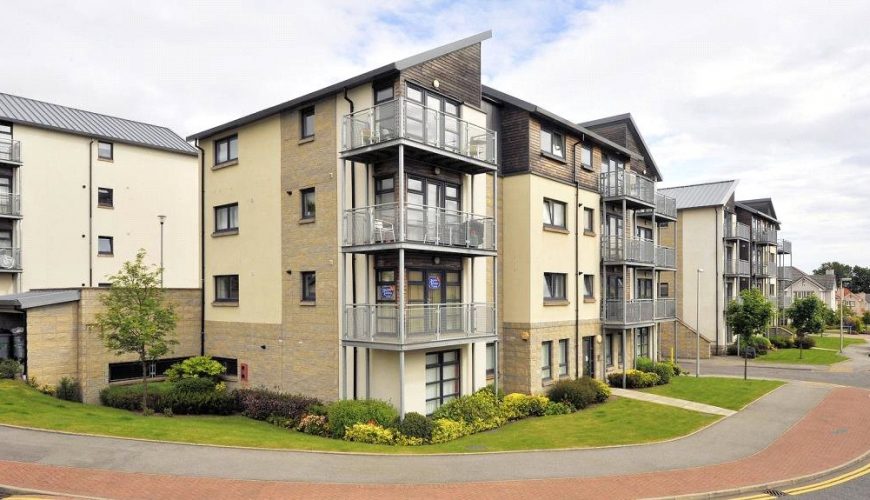
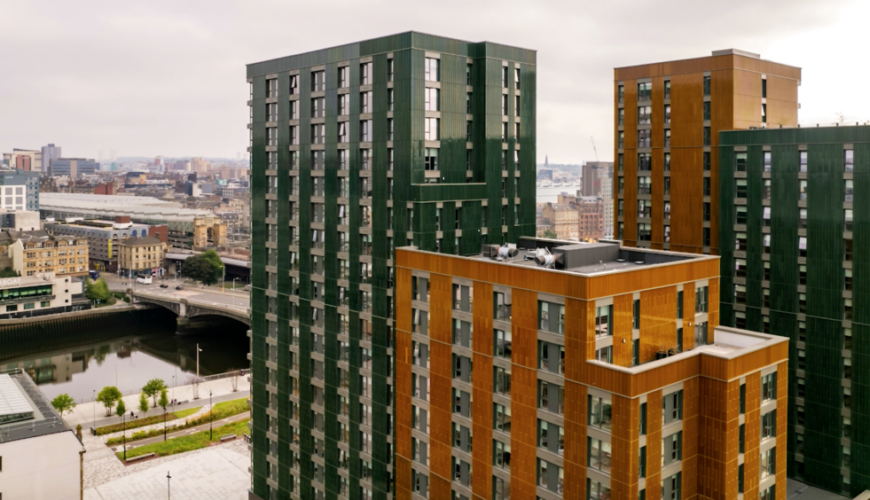
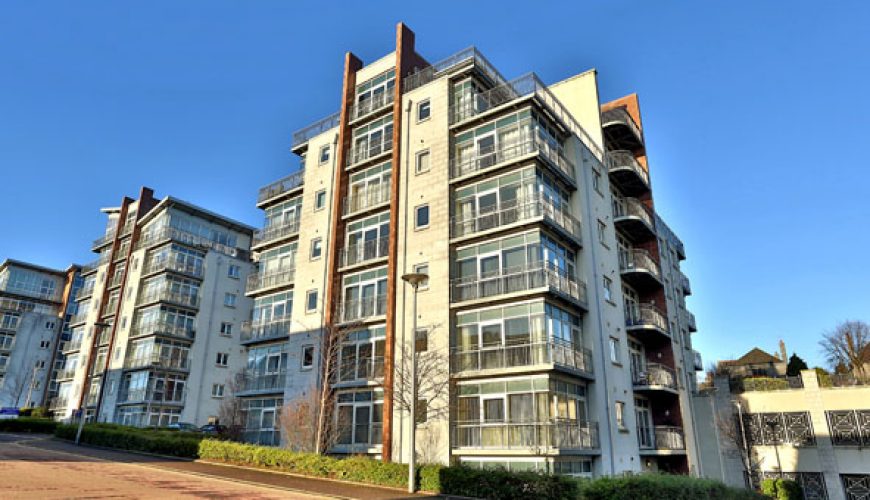
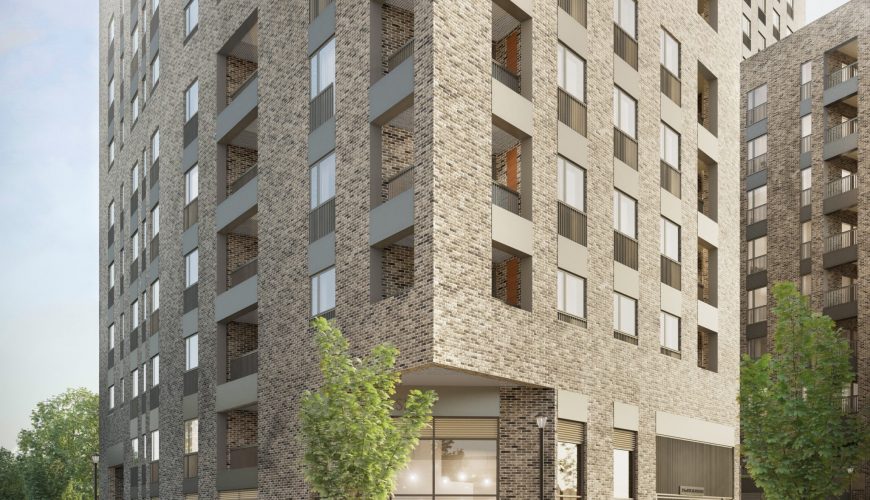
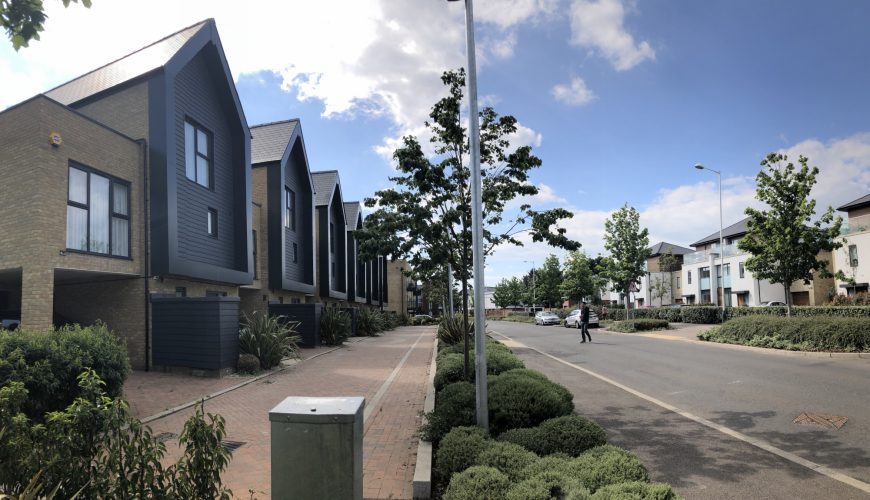
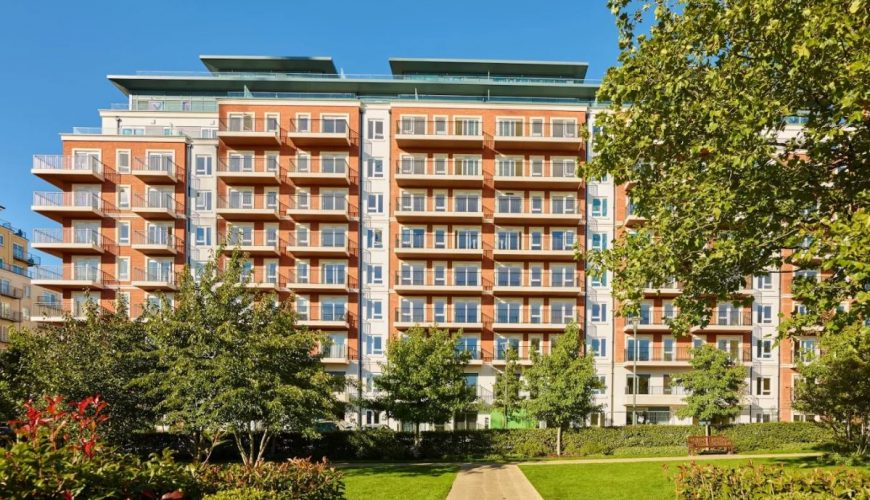
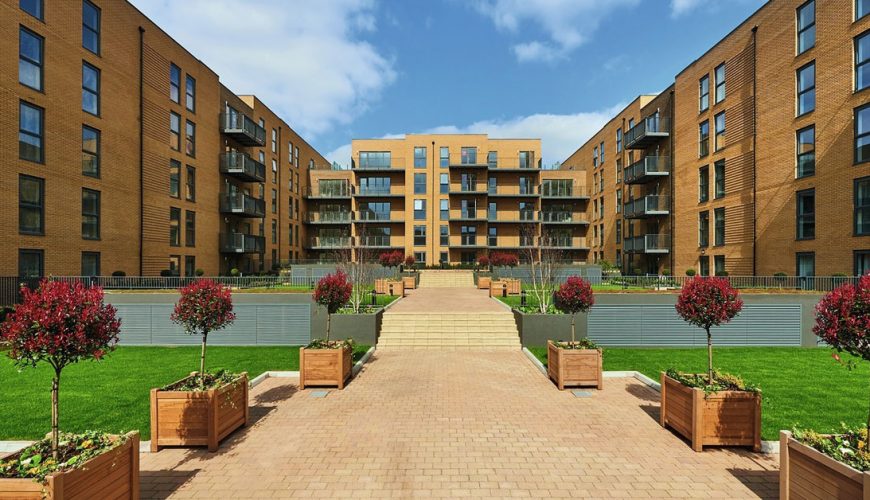
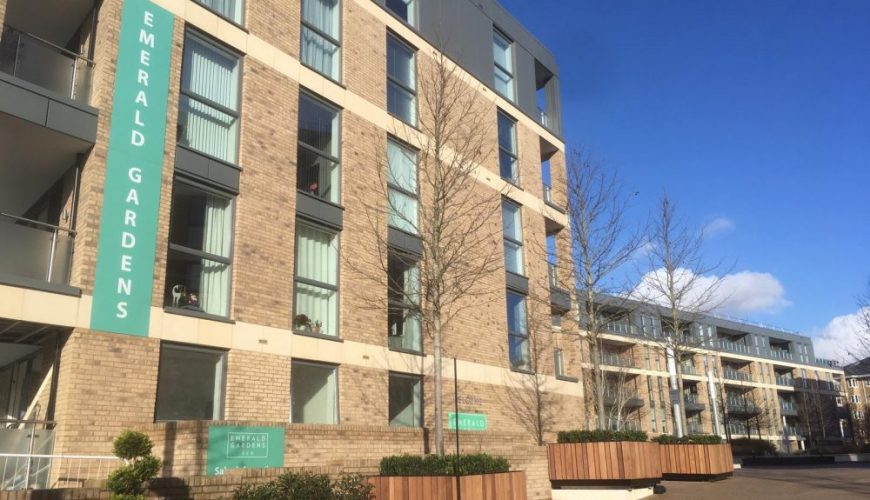
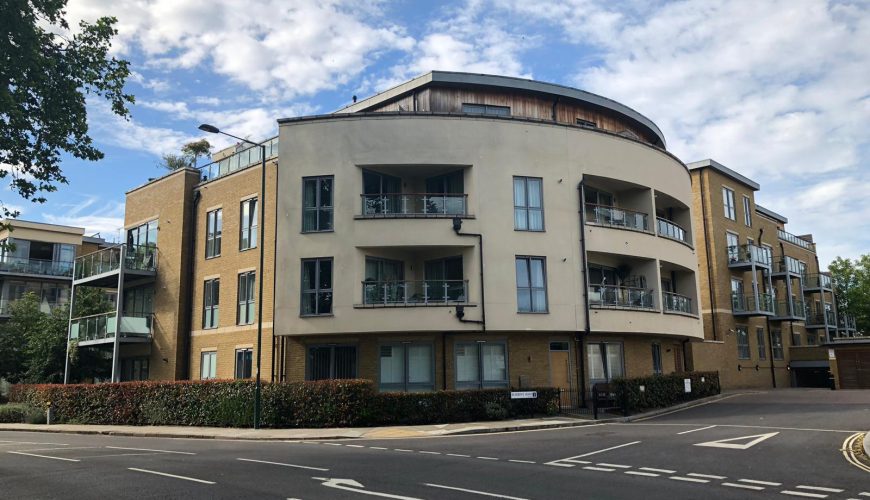
Sitting at the southern end of Hackney, Hackney Wick is a small but culturally rich canalside neighbourhood. A heritage of manufacturing, printing and publishing underpins its creative industries today, with startups and co-work spaces jostling for position alongside some of the liveliest bars, restaurants and cafés in East London. We look at some of the best things to see and do in the area and explore the Wick’s highest-rated new homes.
New homes in and around Hackney Wick
Now let’s take a look at some of the stylish new homes in the area. These new developments are part of the reinvention of Hackney Wick as a cultural hub, as well as the extensive regeneration of neighbouring Stratford.
*PLEASE NOTE these rankings take into account how many reviews a scheme has and how recently those reviews have been submitted, so may not match the overall star ratings shown. Buildings with a larger number of more recent reviews are given a greater weighting to reflect current building performance.
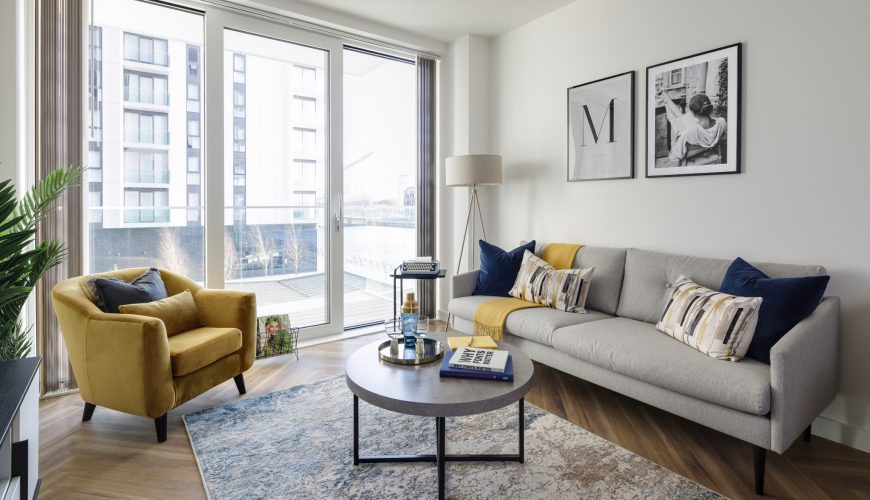
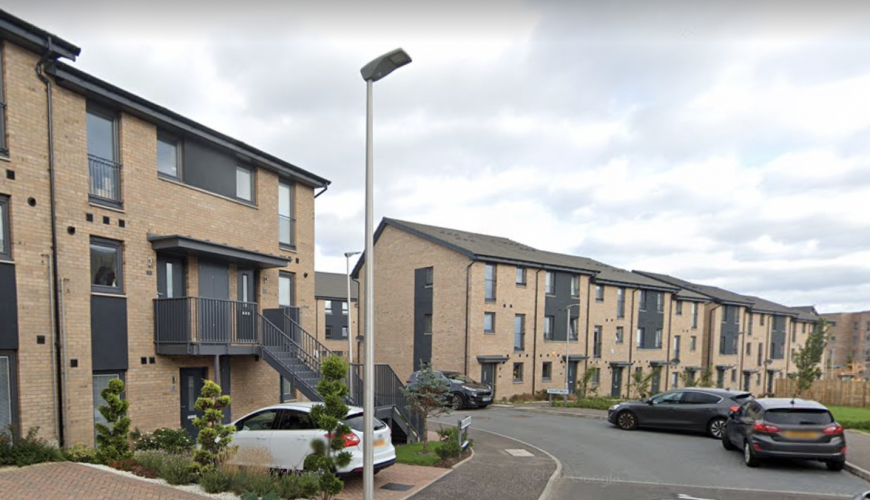
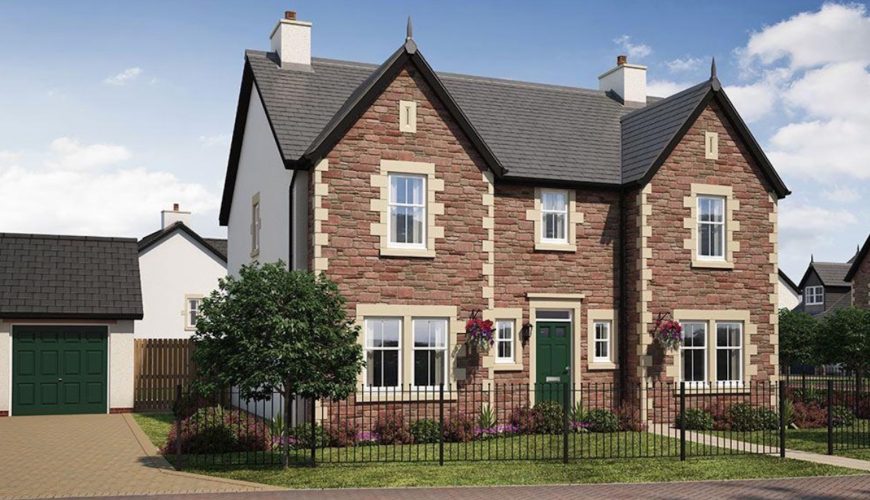
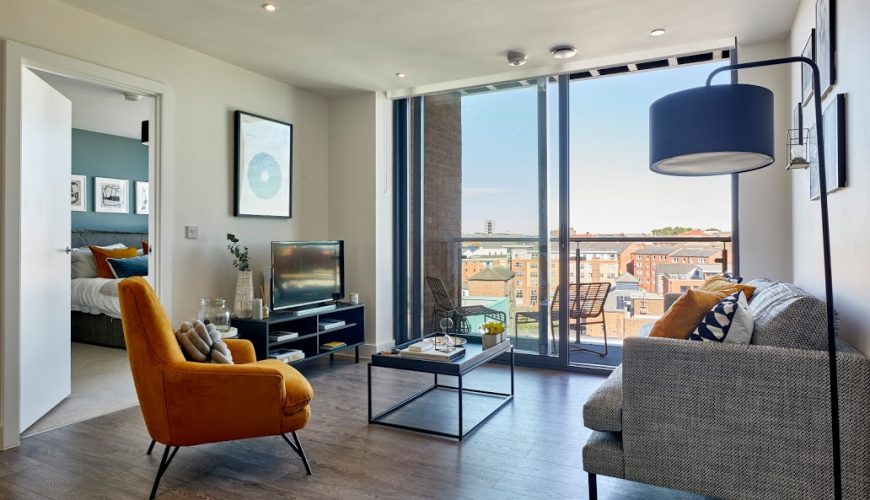
Sitting pretty in the number 1 spot for Hackney Wick is Stone Studios, a development by Telford Homes consisting of 1, 2 and 3 bedroom apartments. Stone Studios is a 2-minute walk from Hackney Wick station. Furthermore, Stratford is only 2 minutes and Kings Cross is 20 minutes away by train. Additionally, residents at the development benefit from amenities such as a 12-hour concierge, bike storage, communal courtyards and car parking.
Read reviews and details of Stone Studios, E9
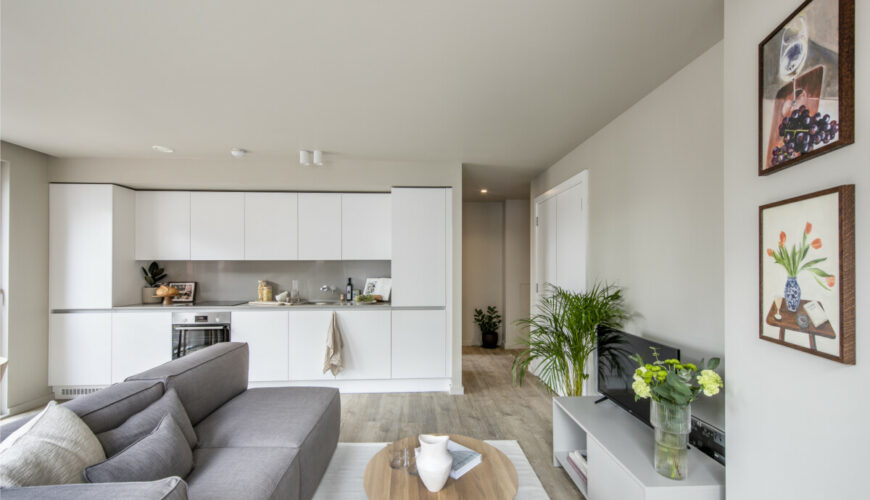
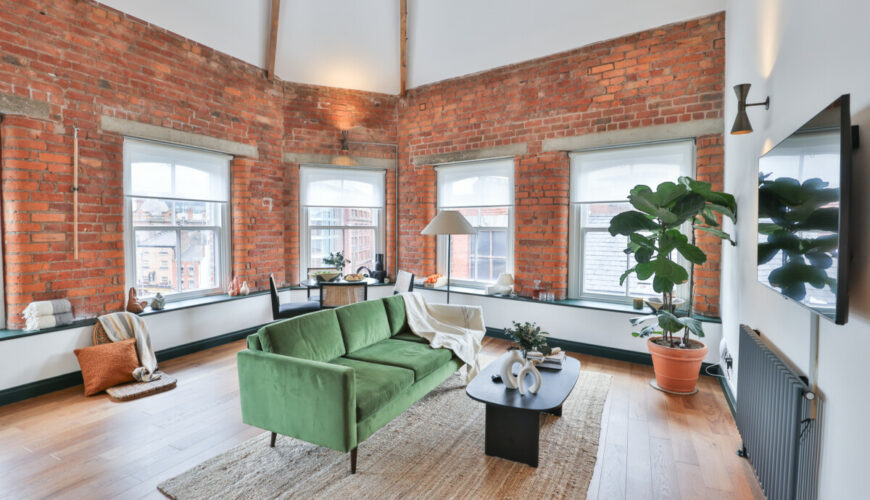
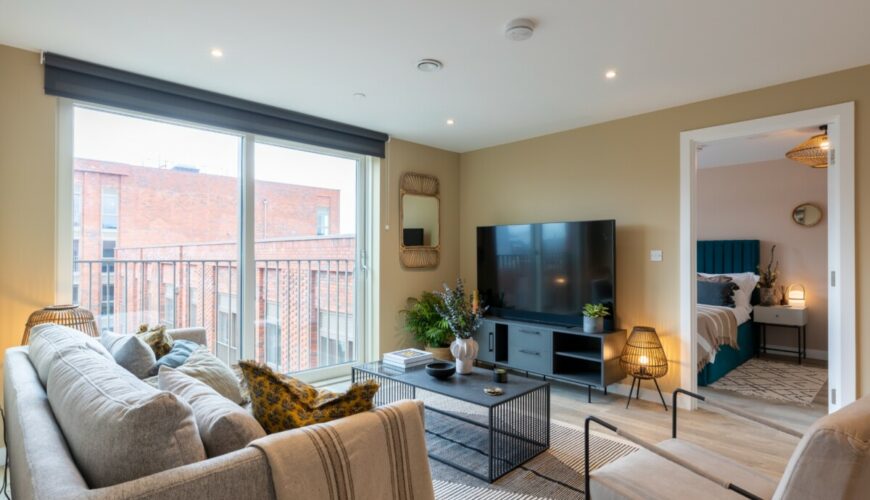
Scooping 2nd place it’s Bagel Factory, an Aitch Group development of one, two and three-bedroom apartments, close to Hackney Wick Station. Architects HWO, Hawkins|Brown and Buckley Gray Yeoman were brought in to aid with the creation. Together, the teams have developed an industrial-style set of apartments sitting in the shadow of the famous Victoria Park.
Read reviews and details of Bagel Factory, E9
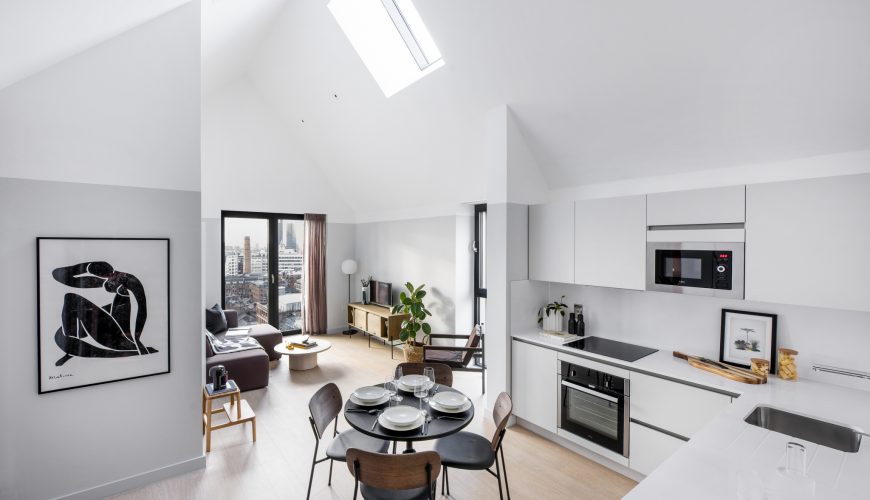
In 3rd, East Wick + Sweetwater will offer over 1800 new homes when fully completed, as well as new schools, nurseries and community spaces.
One happy resident says: “The design on the building and flats are great. Spacious and modern living space. The on-site staff at the building are pleasant and very helpful.”
Read reviews and details of East Wick + Sweetwater by Places for People, E20
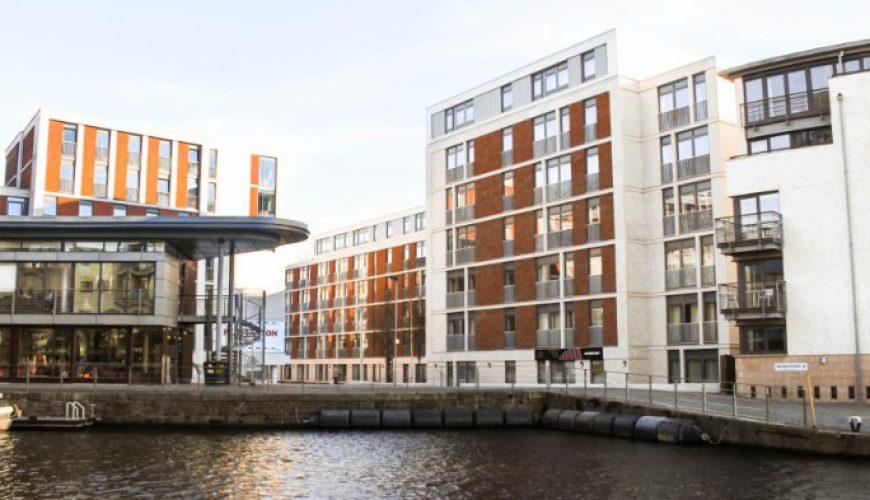
Next up, Omega Works is a popular development sitting on the corner the Hertford Canal and the River Lea, on what is known as Fish Island. Within a stone’s throw from the apartments are popular riverside cafes, bars and restaurants in the heart of Hackney Wick. The development is just a 5-minute walk to Hackney Wick station.
Read reviews and details of Omega Works, E3
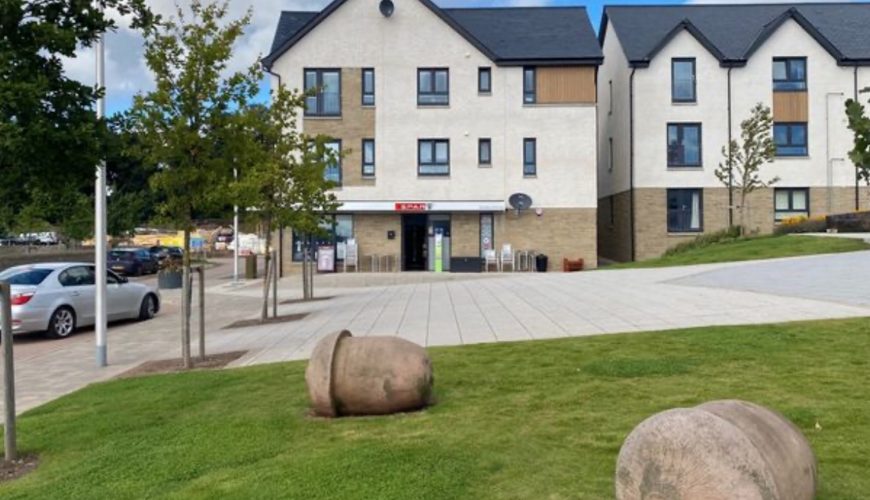
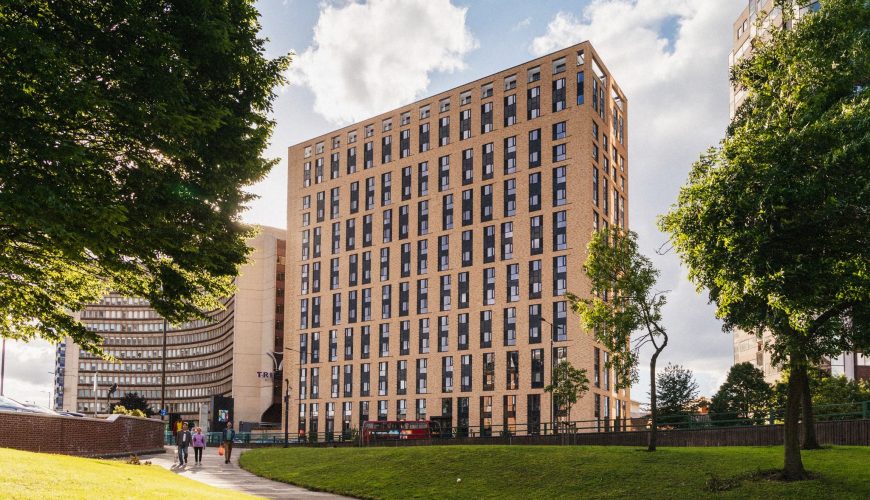
And finally, we round off the Hackney Wick list with Fish Island Village itself. This is a joint venture development by Hill and Peabody, and comprises a collection of one, two and three apartments. This new community benefits from a concierge and a resident’s gym, which also has bespoke artwork, courtesy of local artist Xenz. There is over 50,000 sq ft of commercial space, all of which will be occupied by social enterprise The Trampery, as a new campus for fashion, innovation and sustainability.
Read reviews and details of Fish Island Village, E3
Hackney Wick pubs, restaurants and cafés
Natura
A classic Italian menu and friendly surroundings make Natura an easy choice for lunch or dinner. Crisp, thin pizzas, rich pasta dishes and the Tarta Della Nonna ‘Grandmother’s Cake’ provide everything you want from an Italian eatery. Fully living up to its slogan of ‘food for life’, Natura is a magnet for local Italians seeking some soul food.
Crate Brewery
The ever-popular Crate Brewery for waterside beers and pizza
If you’ve been to the Wick you’ve probably been to Crate. This is a popular spot thank to its setting beside the River Lea, great pizzas and freshly-brewed beers. Sample the classics with a crisp lager or a bold IPA, or head into uncharted territory with a Citra Sour or a honey-hued Golden beer.
The Roasting Shed
While you’re spoilt for choice for cracking coffee in Hackney Wick, The Roasting Shed is a small batch roastery and cafe that really takes its beans seriously. Drop by for an expertly made long black or creamy macchiato. If you like what you taste, sign up for the company’s subscription service – with different levels for junkies and occasional sippers.
Hackney Wick Entertainment
The Yard Theatre
This Hackney Wick warehouse was converted into The Yard Theatre back in 2011. With an exciting programme of music and theatre events, the venue also works closely with local schools and community centres. Although recently limited by social distancing measures, the performance space and bar are sure to open again soon.
Hackney WickED
This annual art festival brings local artists together for a showcase of the area’s creativity. Studios open their doors to the public and local venues also take part in Hackney WickED, with 45 venues participating in the last festival in 2019. Another victim of the pandemic in 2020, the festival is sure to be revived in the coming years.
The former Lord Napier pub in Hackney Wick
Stour Galleries/Café/Studios
This previously-abandoned building was transformed into the Stour Space in 2009, and has been hosting exhibitions and events ever since. Now split into Stour Galleries, Café and Studios, this creative complex offers a unique view of contemporary London Art, focusing on work connected to the Hackney Wick and Fish Island area.
Queen’s Yard Summer Party
This festival of music, food, arts and culture takes place annually in Hackney Wick’s Queen’s Yard and other venues across the neighbourhood. The festival has become an annual fixture and celebrates the best of local creators, artists and producers.
The Wick’s Open Spaces
Wick Woodland
Wick Woodland is a 20-acre nature reserve located next to the Lea Navigation canal. A picnic spot with bench in the centre of the wood offers a tranquil spot to the escape the city.
Wetlands Walks
There are plenty of scenic walking routes that take in Hackney Wick, Fish Island, the Olympic Park and Hackney Marshes. Ramblers can take in the unique mix of regenerated industrial areas, parkland and wetlands that Hackney offers.
Discover more new homes in the area with our guide to the Top 10 Stratford apartments according to residents. Alternatively, explore our area guide to Hackney below for more info on this sought-after neighbourhood.
Once upon a time, Hackney was topping lists of Britain’s worst places to live. But the borough has had a colossal transformation in recent years. and now, E8 is one of the capital’s most fashionable postcodes. Read on to discover developments that are the Read more about Borough of Hackney
HomeViews is the only independent review platform for residential developments in the UK. Prospective buyers and tenants use it to make an informed decision on where to live based on insights from carefully verified resident reviews. Part of Rightmove since February 2024, we’re working with developers, house builders, operators, housing associations and the Government to give residents a voice, recognise high performers and to help improve standards across the industry.
Whether you’re looking to book your next holiday, preparing for home improvements, hoping to invest your savings or searching for somewhere to dine out, the internet can provide a review website to help you make an informed decision. We’ve put together our top 10 of the best reviews websites in the UK for trusted reviews, so you can be sure you’re making the right choices in life.
Trustpilot
Trustpilot is probably the best-known general reviews website for many different types of consumer businesses in the UK. It hosts user and customer reviews on a wide range of companies. The site has struggled with issues around fake reviews, but says it is working hard to make improvements, and provides a good general site for reviews where a more specialised platform is not needed.
Tripadvisor
We’ve all been there: you’re trying to plan a holiday or mini-break and you want to scope out the local attractions before you arrive. Enter Tripadvisor to offer you comprehensive listings and reviews on everything you might want to experience on your travels. From hotels, to restaurants, to tourist attractions, Tripadvisor has it covered. Like Trustpilot, the site has received some negative press as companies try to ‘game’ their reviews, but is also working on improving its accuracy.
HomeViews
When buying or renting a new home, you need a specialist review site to differentiate between the UK’s many developers and developments. HomeViews is the UK’s only review site dedicated to new build property, offering detailed, carefully verified reviews from the people who know best – the residents who already live there.
Buyers and renters can read detailed reviews and check ratings for individual developments and developers. We show building ratings for Location, Design, Management, Value and Facilities, as well as an overall Star Rating. Our area guides and blog also provide a useful source of information on top developments, locations and all aspects of the property buying and renting experience.
Checkatrade
Home improvements, maintenance and construction can be some of the biggest investments you can make. If you’re putting your hard-earned money into improving your home for your family, you want to make sure you’re bringing in the best to get the job done to a high standard.
Everyone’s heard horror stories about ‘cowboy builders’ or construction teams upping and leaving before a job’s completed. Checkatrade gives consumers a place to find reliable reviews of tradespeople. With its reviews, you can choose from the most trusted suppliers in your local area.
Google Reviews
Google Reviews service has an ever-expanding library of reviews attached to listings, venues and businesses on Google Maps. If a business or location features on Google Maps, you can be sure to find reviews of it on Google. Whether a local retailer or tradesperson, a major workplace, a tourist attraction, a leisure facility, a supermarket or even a carpark, you can find what people think of it on Google.
Amazon
Amazon is a vast resource for consumer reviews of almost any product. If you’re shopping for anything and Amazon sells it, you’ll find reviews of it there. Amazon allows reviewers to upload photos and videos of their products. It has a system to verify that reviewers have genuinely purchased the product, and also recognises the most prolific and influential reviewers on its platform.
Which?
A genuinely authoritative voice in the UK consumer sector, Which? has been providing independent reviews and consumer advice for decades. Members can access an extensive database of product reviews, from electronics to financial products, to cars and home products. Which? also provides backing for consumer rights campaigns in a variety of different areas.
Techradar
If you’re looking for a new smartphone, laptop, pair of headphones, TV, tablet, smartwatch or almost any other electronic gadget, Techradar is a great place to start. They regularly publish up-to-date top 10 lists of products in any given category. The tech website reviews products fairly and with an unrivalled level of detail. If you really want to know the performance difference between an A15 Bionic and a Snapdragon 8 smartphone chip, Techradar has got you covered.
Booking.com
As well as being a comprehensive holiday rental and hotel booking site, Booking.com has a reliable bank of accommodation reviews that can help you choose your next holiday destination. Sort accommodation according to reviews to compare your options in your chosen holiday haven. You’ll find the best combination of high review score and value for money, to make that trip of a lifetime even more satisfying.
Expert Reviews
Expert Reviews is one of the UK’s most reputable independent product review websites. If you’re overwhelmed by the sheer choice on offer across the market, Expert Reviews can help. They publish detailed reviews of the latest products and up-to-date listings for the most popular consumer products, with a level of detail and advice that can give you confidence in sending your hard-earned money.
Trusted Reviews
Yes, we’ve slipped in an 11th review site just to keep you on your toes. Did you notice? Trusted Reviews is another UK-based tech specialist review site. They provide reviews on all the latest computing, tablet, smartphone and audiovisual kit. Their site can help you to wade through all the confusing product names and numbers to find the tech that’s truly right for you.
What to look for in a trusted reviews website
There are plenty of things to look for in a trustworthy reviews website. You’ll ultimately have to decide whether you trust the website, but several things might help you make up your mind. Here are our top five things to look in a trusted reviews website:
Independent, unbiased reviews: The first thing you’ll want to check is that the reviews contained on the site are unbiased and independent. That means they’re not sponsored by the company or product being reviewed.
Verified reviews: When it comes to user reviews, you’ll want to know the reviewer is actually a customer of the company or owner of the product. You can only be sure of this if the reviews are verified before being published.
A clear scoring matrix: If you’re going to make a purchase decision based on website reviews, you’ll want to know how the scores for each product have been put together. Look for a clear, transparent scoring process with a breakdown of how the ratings have been compiled.
Moderation services: A high-quality reviews website moderates and checks its reviews for legitimacy. If you read enough reviews, you’ll start to spot fake ones, and a trustworthy review site should make sure they have a mechanism to remove these.
Thorough and extensive review criteria: The more extensive and detailed the review criteria, the more trust you can place in the review score.
Good grammar: While the quality of writing on a site doesn’t necessarily make it more or less trustworthy, it’s still an important factor. Correct, consistent grammar and spelling are an indication that the company takes its image seriously. This shows that the company makes an effort to do things properly. Accordingly, this suggests that it also spends time and resources on verifying reviews and generally checking that everything it puts out online is clear, honest and transparent.
HomeViews only publishes independent, verified reviews from residents who actually live in each new build property development. We provide moderation of reviews and each review is made up of scores in five different categories of the lived new build experience. When it comes to finding out what it’s really like to live in a new build property development, HomeViews has got you covered.
Have we missed your blog or site? We’re always on the lookout for innovators and new arrivals on the scene, so please do get in touch and we’ll try to include you in a future update.
HomeViews is the only independent review platform for residential developments in the UK. Prospective buyers and tenants use it to make an informed decision on where to live based on insights from carefully verified resident reviews. Part of Rightmove since February 2024, we’re working with developers, house builders, operators, housing associations and the Government to give residents a voice, recognise high performers and to help improve standards across the industry.
If you want London living but with the countryside on your doorstep, Bromley really is your best bet. The most south-easterly part of the capital has a foot in both the urban and rural worlds, benefiting from both. But what’s it like to live there, and where are the best places to live in Bromley? Let’s hear from our resident reviewers, who have the inside track on this outer edge of London.
Note: We know that the title says “5” best places to live in Bromley, but HomeViews has added a lot more developments to the area since this list first came out! That’s why we’ve extended it to a Top 10 list, giving you even more choice when browsing for the best of what Bromley has to offer.
10 best places to live in Bromley
Let us hand over to the experts on all things Bromley: the people who live there. The following list of the top 5 places to live in Bromley has been compiled solely using the scores given by verified HomeViews reviewers. If you like what you see, click on the listing to find out more about these popular developments.
*PLEASE NOTE these rankings take into account how many reviews a scheme has and how recently those reviews have been submitted, so may not match the overall star ratings shown. Buildings with a larger number of more recent reviews are given a greater weighting to reflect current building performance.
Taking first place in Bromley is Regent’s Place, a Crest Nicholson development with a selection of apartments located just off Bromley High Street. This puts Bromley train station only a two-minute walk away, and the rest of Bromley’s offerings are right on residents’ doorstep. As well as the location, Regents Place gets near perfect marks for the design of its accommodating, modern flats and the shared facilities.
Read reviews and details of Regents Place, BR1
In second place is Purelake New Homes’ Nexus Apartments, which are located on Elmfield Road. As a new-build development with only 50 luxury residential units available for private rent, Nexus is small but carefully formed. In their reviews, residents highlight the development’s good security, spacious and well-appointed facilities, and its easy access to the heart of Bromley. It’s also just a short walk from Bromley South train station, which provides regular National Rail links into central London.
Read reviews and details of Nexus Apartments, BR1
Taking third place in Bromley is Venue by Fairview New Homes. Residents say they love the large, inviting apartment design and excellent range of facilities including the sculpted gardens throughout the development. There are 252 units available with a range of one, two and three-bedroom apartments. Convenience is another perk here, as Venue is only a 6-minute walk away from Anerley Rail station, which has links to the Overground and Southern Rail services. Crystal Palace park is also less than a 20-minute walk away.
Read reviews and details of Venue, SE20
In fourth is this superb development situated in the heart of Bromley. St Mark’s Square combines a thoughtful, stylish design with an enviable location. Residents are moments away from the high street as soon as they step outside their door. The presence of all modern conveniences, reliable insulation and spacious balconies mean that residents can enjoy their apartments to the fullest.
Read reviews and details of St Mark’s Square, BR2
Rounding off the top 5 in Bromley, Trinity Village is nicely tucked away a short distance away from Bromley South station, giving residents easy access to central London and Bromley itself, but with an added layer of peace and quiet. Residents routinely describe their homes here as being smart but cosy, with plenty of green space and amenities nearby to make things comfortable and convenient.
Read reviews and details of Trinity Village, BR2
Coming in at number 6 we have Rosing Apartment, an L&Q development of 82 apartments that range from one-bedroom to 3-bedroom, most of which feature a balcony. The development is situated a 10-minute walk from Bromley South station, which has regular direct trains to London Victoria station.
Read reviews and details of Rosing Apartments, BR2
County House is 7th on our expanded list, and sits just moments from Clock House and Kent House National Rail stations in Beckenham, Bromley. Comprising 76 new homes, County House is on the London Living Rent scheme which includes units offered at affordable prices.
Read reviews and details of County House, BR3
8th place goes to Iconia, a development by Taylor Wimpey. When 100 apartments on offer, they range from one to three-bedrooms. The development is located just a 12-minute walk from Bromley South station, which has direct links to London Victoria every couple of minutes.
There’s currently only one review, but it’s one with a perfect score from a very satisfied resident: “The area is amazing, there’s supermarkets, shops, restaurants and Bromley station nearby. Bus links are great, there’s buses to Lewisham, Locksbottom and many places around South-East London. Despite the fact that the building is located on the main road, not much noise from the outside gets in, we can live in peace and quiet. Its also very safe, there’s a fob system to enter the building and once the first door is open the second door has a timer so that it closes within a small amount of time to avoid intruders. My neighbours are lovely, very friendly and welcoming, they help out a lot. My actual home has been created to perfection!”
Read reviews and details of Iconia House, BR2
Located in Lower Sydenham in the London Borough of Bromley, Dylon Works is a residential development by Crest Nicholson. It features approximately 223 units with a mix of one, two and three-bedroom apartments. The development is only a 2-minute walk away from connections to southeastern services.
Read reviews and details of Dylon Works, SE26
While there are currently no reviews on Beck Gardens at Langley Court, this set of 1, 2 & 3 bedroom Shared Ownership apartments in Beckenham gets an honourable mention at number 10. It’s located close to Harvington Park and Beckenham Park Place. In addition each home includes private outdoor space (balcony or terrace), fitted kitchen with integrated appliances. Public transport within walking distance. Also includes local bus routes leading to stations within TfL Zones 4 and 5 (Southern, Southeastern, and Tram) for services into London.
Read reviews and details of Beck Gardens at Langley Court, BR3
Is Bromley in London or Kent?
It’s a common misconception that Bromley is in Kent, the Garden of England. It’s easy to understand why, given that 30% of Bromley is farmland and green space abounds across the rest of it. However, Bromley is in fact a London borough, even though the main town of Bromley itself was historically a market town in the county of Kent. Simple, right?
What’s it like to live in Bromley?
‘Picturesque’ is the word that Bromley residents use time and again when describing where they live. Being here puts you right next to the metropolitan green belt, and the rest of the borough is no slouch visually either.
The town of Bromley is the cultural and economic heart of the borough. It has quickly become a top spot for attracting young families and professionals who want to stay connected to London but with more room to breathe.
However, just because Bromley is quieter and more rural, it’s definitely not dull. There is a thriving arts scene that centres on Bromley town, as well as growing retail and leisure industry. Naturally, residents also have an abundance of scenic walking, hiking and other nature-loving opportunities to take advantage of.
As well as its green credentials, Bromley is also routinely ranked as one of the safest London boroughs. With its low crime rates, low incidents of car collisions and widening range of outstanding schools, it’s an attractive prospect. This is probably why Bromley reaches the top 10 in the ‘happiest places to live in London’ surveys year after year.
Average property prices in Bromley
Averaging out sale prices across the 12 months to June 2024, property prices in Bromley routinely trend upwards of the £500,000 mark, with an average of £579,000. There were more flats sold in Bromley than any other type of property across the year, with an average price of £338,000. Large detached properties in the borough are likely to set you back more than £1 million.
If you’re looking to rent in Bromley, across the borough there’s an average rental rate of around £1,800 per month. This is significantly lower than the London average of £2,975.
For more information about living in this borough, check out our Bromley area guide (below). Here you’ll get a better idea of what makes Bromley tick, with more advice from our verified reviewers.
Bromley is the largest of the 32 London boroughs, stretching from Crystal Palace and Mottingham in the north right down to Biggin Hill in the south. It’s also a borough that transitions dramatically from suburban to rural, with farmland making up around 30% of Read more about Borough of Bromley
HomeViews is the only independent review platform for residential developments in the UK. Prospective buyers and tenants use it to make an informed decision on where to live based on insights from carefully verified resident reviews. Part of Rightmove since February 2024, we’re working with developers, house builders, operators, housing associations and the Government to give residents a voice, recognise high performers and to help improve standards across the industry.

Rents are going up. That’s the reality across most of the country. But why is it happening? And how much can a landlord increase rent? Whether you’re a tenant or a landlord, you should know the rules and the conventions of rising rental rates. So read on, and find out what’s happening in the UK rental sector now.
When can a landlord increase rent?
Your landlord’s ability to raise rent on your home will depend on the type of tenancy agreement you have in place. For periodic tenancies (ones that roll on week by week or month by month), the landlord cannot raise the rent more than once per year without your agreement.
If you are on a fixed-term tenancy (i.e. a set period such as 6 or 12 months), then your landlord cannot raise your rent without your agreement. If you don’t agree to the rent raise, the landlord will have to wait until the set period ends. Then they can negotiate a new agreement at a higher rate.
What is the most a landlord can raise rent?
Technically speaking, in the UK, landlords can raise rent on their property by any amount they want. However, in practice, landlords must stick to ‘fair rent’ increases that are in line with current market rates.
What is a fair rent increase UK?
The Gov.uk guidelines on private renting say that all rent increases must be “fair and realistic, in line with average local rents.” So, if properties in your area were being rented for £900 PCM, and have gone up by 5% to £945, then a proposed rent increase from your landlord should roughly be equal to this amount.
What was a fair rent increase in the UK in 2022?
If you’re going by the national average, a fair rent increase in the UK in 2022 was around 3.2%. This is how much private renting went up on average across the country between July 2021-July 2022, according to the Office for National Statistics.
How much could a landlord increase rent 2023?
The Royal Institution of Chartered Surveyors (RICS) recently predicted that tenants may face rent increases of up to 15% by 2023. Again, landlords will need to raise rents in line with market prices, or risk pricing themselves out altogether. However, the continued imbalance of high demand and low supply of available homes in the UK means that higher rental rates are a likely reality for 2023 and beyond.
How much can a landlord increase rent UK in 2024?
At the beginning of 2024, the ONS said that rents UK-wide went up by 6.2% over the past 12 months. If a landlord is looking to raise rents in 2024, around 6-7% would be considered a fair increase.
Can my landlord increase my rent twice in a year?
If you are on a periodic tenancy, a landlord can raise your rent more than once per year. However, you will need to be consulted and given notice. If you believe that your rental raises are unfair, you can dispute them. Citizens Advice has a useful guide to rental increase negotiations and disputes.
Can I refuse a rent increase?
You can refuse a rent increase, and the consequences will differ depending on your tenancy agreement. For example, if you’re on a fixed term, your landlord cannot increase your rent without your agreement. Therefore, the raise cannot legally be implemented. However, they may then decide to not offer to renew your tenancy when the term ends, so they can simply advertise the property to new tenants at a higher rate.
Can I ask my landlord to reduce the rent?
In theory, you can ask your landlord to reduce your rent, if you feel you’re not getting a fair deal. You might be able to get a reduction on rent if your home requires repairs or you’re inconvenienced in some other way. If your tenancy has been disrupted by the landlord failing to repair an issue properly, then you can ask for a rent reduction as a form of compensation.
What is a Section 13 rent increase?
The Housing Act 1988 has a provision called a Section 13 Notice. This is issued by landlords to tenants to increase the rent after an initial fixed period has expired and the tenancy is in the statutory periodic tenancy. However, a Section 13 Notice still cannot be used to increase the rent during the fixed term of a tenancy.
What is the new rent law in the UK for 2024?
The Renters Reform Bill is due to pass into law in the UK in 2024. It introduces various new regulations aimed at improving the rental system. One of these is the abolition of rent review clauses, and only allowing rent to be increased once a year. This will replace the Section 13 Notice and landlords will have to give at least two-months notice of any rent increase.
Why has rent gone up so much?
There are many reasons why rental rates have gone up so much in the UK. Due to changes in taxation and other legal statutes, landlords have higher expenses when renting out their properties, and are raising rent to cover themselves. For example, many landlords have to invest more in making their properties energy efficient, because they will need an EPC rating of ‘C’ or above to legally rent them out from 2025 onwards.
The simplest reason is supply and demand. There is a sizeable shortage of homes available in the UK, and rising house prices keep millions of people from getting onto the property ladder. This squeeze continues to fuel demand for rental properties, raising average rents across the country.
Will UK rents keep rising in 2024?
As of 2024, there are an estimated 11 million renters in the UK, across 4.6 million households. With more people finding homeownership an impossible dream, the demand for rental accommodation keeps outpacing the level of new properties coming onto the market. Until the supply/demand imbalance is fixed, expect rental rates in the UK to remain high.
For more information on renting in the UK, consult our guides below. We have plenty of advice for tenants, landlords and buy-to-let purchasers.
HomeViews is the only independent review platform for residential developments in the UK. Prospective buyers and tenants use it to make an informed decision on where to live based on insights from carefully verified resident reviews. Part of Rightmove since February 2024, we’re working with developers, house builders, operators, housing associations and the Government to give residents a voice, recognise high performers and to help improve standards across the industry.
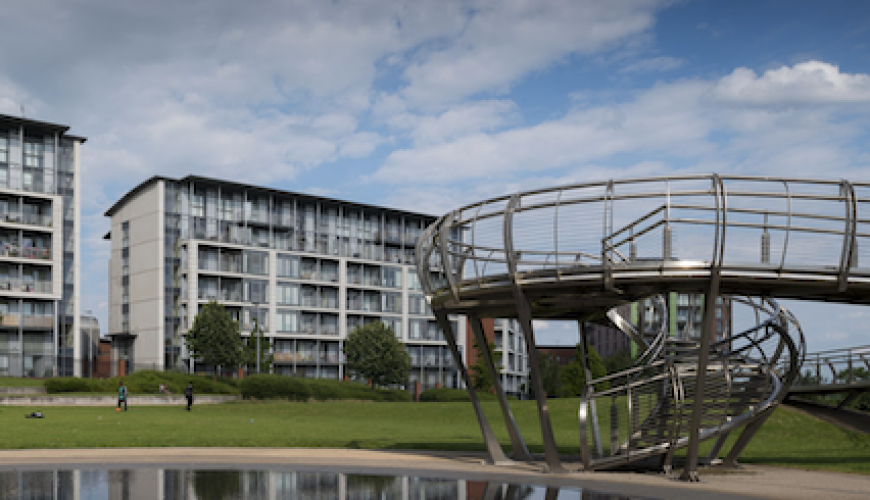
When searching for a new home, it’s important to understand the different types of properties available within your budget. Depending on your lifestyle, you may want to narrow your criteria to include or exclude terraced housing. But what does ‘terraced house’ mean, and what are the pros and cons of owning this kind of property? Check out the frequently asked questions below to find the answers you need.
What defines a terraced house?
Terraced homes share both side walls with neighbouring properties, forming a row of houses that extend along a residential street. They are particularly popular in urban environments, where space comes at a premium.
What does Back-to-Back terraced housing mean?
Back-to-back terraced houses were built mainly during the Industrial Revolution. Connecting to a third neighbouring property to the rear, they only have windows to the front elevation. This type of housing is now rare in the UK, with Leeds the only city to retain modernised back-to-backs in large numbers.
What does a terraced house look like?
Due to their nature, terraced homes are pretty easy to spot. Usually, they are two or three storeys high with a duo-pitch gable roof and a small front patio or garden. Certain architectural elements can help you distinguish the age of a terraced home. For example, a Victorian London terraced property may feature paired front doors, decorative bay windows, stone lintels and a tiled front pathway.
Inside, you’ll often find a layout two to three rooms deep, sometimes including a cellar and an attic. Traditionally, the front room or parlour would have been for receiving guests, with the back rooms reserved as a private living area. Extended terraced houses with a more contemporary layout may include open-plan rooms and a rear kitchen backing onto a garden. With many homes like this dating back to pre-Victorian times, you’ll often find preserved original features such as elegant coving, fireplaces, floorboards and tiling within.
Why are they called terraced houses?
Terraced homes have a long and distinguished history in the UK. This first began when the concept migrated to England from Italy in the 1600s. After the Great Fire of London in 1666, London needed to be rebuilt – and terraces were the answer. They soon became a hallmark of the Georgian period when architects borrowed from the term ‘garden terraces’ to describe a more uniform style not captured adequately by the concept of a ‘row’.
Terraced housing in London’s Notting Hill
What is the difference between a terraced house and a detached house?
While a terraced house shares a boundary with two homes of a similar style to either side, a detached home is completely separate from any neighbouring properties. They also frequently come with front and back gardens, off-road parking and more privacy overall. With two side aspects exposed, detached houses usually have more windows, making them brighter and airer.
Are terraced houses bad?
Terraced houses are not necessarily good or bad. Everyone has a different lifestyle and priorities, so let’s rephrase this. Would a terraced house be a bad choice for you? Here are some things you should consider:
Location: Does the home in question have a decent garden fit for your needs? This will depend on whether you have children and how much time you intend to be socialising at home. If there is no garden, or if the garden is small, are there parks and open spaces nearby? Terraced homes will often be a short distance from shops, restaurants and amenities, which can be a real plus.
Security: Many terraced streets have alleyways and passages leading to back gardens. You may want to consider the security ramifications when this applies – especially in areas with higher crime rates. Also think about the amount of street lighting, parking arrangements, and the safety of the surrounding roads. On the plus side, terraced house streets have more people living there, compared to detached housing areas, so neighbours may be able to spot burglars or anyone intent on committing a crime.
Maintenance: Period terraced homes can offer many glorious original features, but older houses have their downsides. Look out for signs of neglect that might turn a relatively cheap form of housing into an expensive nightmare. Of course, you may be looking for that perfect restoration project! Many period terraces have already been renovated to a high standard, so keep your eyes peeled for modernised properties if you don’t want the hassle.
Space, Light & Privacy: Tightly compact housing often reduces space for manoeuvring (people and furniture!) and less storage potential. Depending on the placement and number of windows, you might also suffer from a lack of light or feeling overlooked. Sharing walls means you may hear more of your neighbours than you’d like, though you can improve the insulation. However, many modern terraces feature open layouts, skylights, and clever storage solutions – proving that not all homes are created equal!
Why are terraced houses cheaper?
According to the UK House Price Index, the average price for a terraced house in the UK is £226,369 (March 2021). Compare this to £423,450 for the average detached property. This makes them slightly more expensive than a flat or maisonette but cheaper than a semi-detached home. This is understandable if you consider that they offer more space than a flat but less privacy than a semi.
While they can cost less and are generally more energy-efficient, you may have to fork out for better noise insulation. Terraced homes may also not be as valuable due to a lack of parking.
A row of terraced homes in Manchester
Are terraced houses a good investment?
With terraced housing offering a cheaper way onto the property ladder, it’s a popular choice for buyers with smaller budgets. However, any structural alterations affecting your neighbours may incur fees. You might also need their consent for the proposed works – not always great when planning renovations.
Can you build an extension on a terraced house?
You can build an extension a terraced house and there are several ways to do it, depending on local planning constraints. It’s often easier to extend into the loft for homes built before the 1960s – which many terraced houses were. You could also add more living space by building over the side return or into the garden.
Don’t want to apply for planning? Some areas allow loft conversions and rear extensions up to six metres within the scope of permitted development. Of course, always check the requirements first! If your home is within a Conservation Area, you’ll need permission for any significant changes.
Are end-of-terrace houses worth more?
An end-of-terrace home generally commands a higher value than its mid-terrace neighbours because it only shares a boundary to one side. Situated at the entrance of the street, these homes have more light and the potential to extend. One adjoining household is also less likely to disturb you than two.
Are mid-terraced houses noisy?
Mid-terraced houses can be noisier, it depends on your neighbours! The good news is that you do have options for reducing noise. Building regulations regarding acceptable noise levels should protect newer terraces. A blockwork structure may separate period terraces to prevent fire, which can also be helpful. To ensure a quieter life, consider a retrospective insulation programme. Options include spray foam insulation or even decoupling the party wall from your neighbour’s.
Terraced housing in San Francisco, USA
What is the difference between a terraced house and a semi-detached house?
There is a difference between a terraced house and a semi-detached house. The latter is only attached to a neighbouring house on one side. In contrast, a mid-terrace home is linked to another house on both sides. While an end-of-terrace is similar to a semi-detached home, it’s still classed differently because of its neighbour’s status as a terraced property.
Do terraced houses have gardens?
Terraced houses usually have some kind of garden. While you’ll often find small patios to the front, the main garden usually lies to the rear. If the house has been extended, the rear garden may be small as terraced homes typically feature less outside space. However, end-of-terrace houses benefiting from a corner plot may come with a more generous garden.
Are terraced houses easy to sell?
Terraced houses are often easy to sell because they appeal to first-time buyers looking to get on the property ladder. For this reason, they are also popular with young families as they are cheaper and easier to maintain than larger homes.
Is a terraced house a maisonette?
No, a terraced house isn’t a maisonette. However, they are often converted into maisonettes – flats set over two floors with a private entrance. Because of this, maisonettes are often smaller than a terraced house, so you’ll often have neighbours in the same building.
Are terraced houses leasehold?
Terraced homes, which tend to be older, are more likely to be leasehold. This may be a concern if you live in the ‘northern hotspot‘, where there is a high percentage of leasehold ownership. Although the Government is planning to ban new homes from being sold on this basis, it won’t stop older terraced properties from being resold as leasehold.
Terraced house rooftops
Do burglars target terraced houses?
Burglars are less likely to try and break into terraced houses because there is a higher chance of being noticed compared to a semi-detached or detached home. If burglars do target terraced houses, they may aim for an end-of-terrace home, to attract less attention.
Why does the UK have so many terraced houses?
The UK has a lot of terraced housing stock because of their popularity in the mid 19th century. At the time, houses were expanding very quickly, as much as 25% in a decade. Terraced housing was a fast, neat and effective urban planning method designed to maximise space and maintain a sense of community.
The 1950s, post World War Two, was another period of house building, especially in areas that were hit hard during the Blitz. Again, terraced houses suited the needs of urban planners at the time. This historic connection with terraced housing means it is still a very popular type of property in the UK today.
HomeViews is the only independent review platform for residential developments in the UK. Prospective buyers and tenants use it to make an informed decision on where to live based on insights from carefully verified resident reviews. Part of Rightmove since February 2024, we’re working with developers, house builders, operators, housing associations and the Government to give residents a voice, recognise high performers and to help improve standards across the industry.
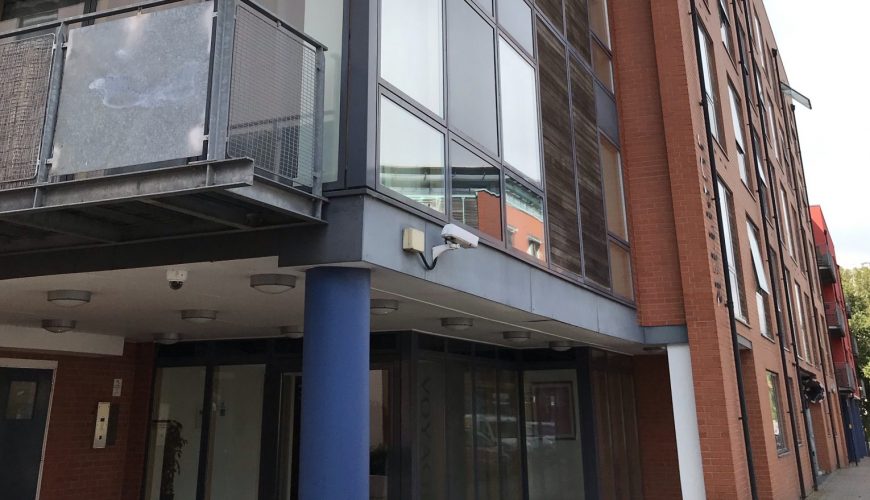
It’s important to understand the different ways you can own your home. Freehold, leasehold, share of leasehold – all have a major impact on how you actually own your property. So, what is Share of Freehold? We look at the pros and cons of this type of homeownership and answer the most frequently asked questions on the topic.
What does Share of Freehold mean?
If you buy a property with a Share of Freehold, this means you own your property leasehold plus a share of the freehold for the building your property is in and the land it’s on. This usually applies to apartments. So owners of the apartments in a building each own their apartment leasehold, as well as holding a share of the freehold for that entire building and the land it sits on.
It’s also important to understand leasehold and freehold homeownership before Share of Freehold will make sense:
Freehold
If you own a property freehold, you own it outright. This includes the land it’s on and the airspace above your property.
Leasehold
If you own a property leasehold, you hold a lease (usually lasting decades or centuries) for that property. You will have a contract with the landlord, or freeholder, to set out your legal rights and responsibilities.
Does share of freehold add value?
Gaining share of freehold could add value to your property if your lease is short (85 years or below). Joining with the other leaseholders in your apartment building to buy the freehold could be cheaper than extending the lease on your property.
Share of freehold could also add value to your property if you feel that the building will be better run as a result. A well-managed and maintained building can add value to every property within it.
How much does share of freehold add value?
It’s impossible to put a concrete value on having share of freehold. Every property is different, and it depends on many different factors. However, it is unlikely to add much to the property’s base value by itself.
However, having share of freehold can boost the desirability of the property. This is because it makes it easier to renew the lease, and the owner is less vulnerable to overcharging on ground rent and service charges. Additionally, having a say in how the freehold area is managed is attractive to many buyers.
Is share of freehold the same as leasehold?
If you gain a share of freehold for your building, you will still own your property on a long lease. However, as a co-owner of the freehold of the entire building, you and the other co-owners now have control over lease lengths.
This means that you can renew your lease and only pay for the legal fees. Previously you would have had to pay the freeholder as well in order to extend your lease. Once you have a share of the freehold, you and the other co-owners will control things like ground rent, building insurance, etc.
Is a 999 year lease a freehold?
No, a 999-year lease is not the same as a freehold, or even a share of freehold. Such a long lease protects you against the main issue of being a leasehold – the lease running out – but does not provide the benefits of owning the freehold.
Is share of freehold a good thing?
Gaining a share of the freehold generally allows leaseholders to have more control over their homes. It is a legal right to be able to take over the freehold, as long as you have at least half of the other residents willing to also do so.
Share of freehold can be a solution if you and the other leaseholders have issues with how your building is being run by the freeholder. It allows you to set the ground rent for the building, find the best building insurance and extend leases as you wish.
What are the main problems with share of freehold?
Share of freehold can be an expensive and complicated process. You need to have at least half of the property owners in the building willing to buy the freehold. You will all have to work together and agree on the system you will use to manage the building. Many people create a limited company for this purpose.
You must be able to afford the purchase price of the freehold, as well as the costs of a valuation survey and legal fees for the leaseholders and freeholder. Stamp duty land tax is also due if the purchase price is over £125,000.
Share of freehold lease extension
Once you have share of freehold, you are able to extend your lease for free – usually up to 999 years. This is only as long as the other co-owners of the freehold agree. You will also have to pay legal fees to extend your lease.
Can I sell share of freehold property?
You can sell your property with the share of freehold intact. However, the other share of freehold owners will need to agree to the buyer’s purchase. The buyer’s conveyancer should directly liaise with all the share of freeholders to get their permission and complete the necessary paperwork.
How do I transfer share of freehold?
If you own a share of freehold for your property, you will need a formal deed in order to transfer ownership. This deed will transfer ownership from yourself and the other co-owners of the freehold, over to the new owner of your property and all the other co-owners.
Can a freeholder refuse to sell the freehold?
As long as the leaseholders qualify for collective enfranchisement (taking on share of freehold), the freeholder cannot refuse to sell the freehold. It is illegal to refuse to sell.
Is share of freehold better than leasehold?
Share of leasehold is better than freehold if you are unhappy with how your building is being run. It can also be cheaper to renew leases on leasehold properties once you have control of the freehold. However, many leaseholders are happy to allow their landlords to run their building and pay the relevant fees for ground rent, service charges, etc.
Can flats be sold freehold?
Flats can be sold ‘freehold’, i.e.: the buyer owns the flat but not the land it is built on, or any of the communal areas of the building it fits into. ‘Freehold flats’ are basically the same as regular flats, except that they have no leasehold title.
While this sounds good in theory – no leasehold-related charges – there are issues with this arrangement. Most mortgage lenders will not offer mortgage deals on freehold flats. The issue here is the lack of a clear legal obligation or agreement when it comes to carrying out repairs to the wider building. Bear this in mind before entering into a freehold flat sales negotiation.
Can you rent out share of freehold?
You can rent out properties with a share of freehold. This can be done just like you would a normal freehold or leasehold property.
Do I still have to pay service charges?
You and the other leaseholders in your building will set the service charges and ground rent for your building. As there are usually costs associated with communal areas, lifts and other parts of the building used by all residents, you will still need to share out the service charge to those residents, including yourself.
Do you pay ground rent if you have share of freehold?
Unless it is otherwise stated in your share of freehold agreement, you will still have to pay ground rent and other fees associated with leasehold properties, such as service charges. This is because you are still living in the property on a leasehold basis.
On the plus side, leasehold residents with share of freehold agreements are far less vulnerable to overcharging on ground rent. Their stake in the freehold means that they have more control over the management of communal areas. If the management company charges too much, it is much easier to replace them if you have a share of freehold.
Should I extend my lease or buy share of freehold?
Qualifying leaseholders have the right to extend their lease or join forces with other leaseholders to purchase the freehold under the 1993 Leasehold Reform Act. This is called ‘collective enfranchisement’.
The process can be very complex, which means you will need to consult with an RICS surveyor and leasehold solicitor. There are also requirements you will need to meet, such as:
At least half of all flat owners must be leaseholders and want to buy the freehold
In the case of a building of just two flats, both leaseholders must want to purchase the freehold
At least two-thirds of leaseholders must hold long leases, for example, 21 years
If you are successful you will need to create a freehold company (usually a Limited entity) and arrange who will run it.
How does a limited company for share of freehold work?
Limited companies made up of share of freeholders are designed to let all the participating members decide how their building will be maintained, renovated and run. The members come together to decide on things like whether or not to carry out certain works, leasehold extension issues, and other minor issues that crop up.
The main purpose of a limited company in this situation is to give all the share of freeholders a stake in the management of their building. It lets them share their priorities, preferences and concerns while working together with their fellow freeholders.
Is a limited company for share of freehold worth it?
If you have the time and knowledge, setting up a limited company for share of freehold on your building can definitely be worth it. If you and your fellow residents feel that you are not being well represented by the management company, this allows you to handle it yourselves.
On the plus side, this can lead to significant cost reductions as you no longer have to pay an annual service charge to a management company or other outside agent. However, as freeholders, you will still have to cover the costs of any necessary maintenance works and other issues that may occur. Also, managing the building directly means meeting on a semi-regular basis (perhaps every 3-6 months) and dedicating a lot of time to handling matters that are agreed upon.
Ultimately, you have to decide if the money you can save is likely to be worth the time investment.
Is it harder to get a mortgage with share of freehold?
It’s possible to get a mortgage for a share of freehold property, but there are some potential complications. Some lenders are cautious about providing mortgages for share of freehold properties owing to the unexpected costs that can occur with this type of property.
Other lenders are more comfortable taking on the risk, though, so make sure you shop around for the best mortgage deal. Buying a flat with a very long lease, and ensuring there’s a management company in place at the property can help to reduce the concerns of lenders and make them more likely to offer you a deal.
Will there be any change to share of freehold rules in 2024?
Even though the King’s Speech in November 2023 outlined further outlined reforms to the leasehold and freehold systems, actual change is still slow to materialise. Currently, there are no actionable plans to change the share of freehold rules in 2024. The Law Commission’s work is currently underway, and a new raft of suggestions are anticipated for mid 2024.
Update: Leasehold and Freehold reform Act becomes law
On May 24th, 2024, the Leasehold and Freehold Reform Act finally received royal assent and was signed into law. The biggest and most important changes involve making it cheaper and easier to extend your lease or buy the freehold. The main elements of the act include:
Standardising lease extensions to 990 years.
All new leasehold agreements will have a peppercorn ground rent. I.e.: The freeholder cannot charge ground rent.
Provisions for more transparency on service charges, making them easier to understand and challenge legally.
Provisions to make it easier and cheaper for leaseholders to take over the management of their building.
Banning the sale of new leasehold properties. I.e.: Every new house built in England and Wales will now be freehold.
These changes affect leaseholders who may want to secure share of freehold, as they materially impact on the legal costs of owning, extension and changing leasehold agreements. More revisions and suggestions on how to extend the law (and make it better and fairer for leaseholders) are still being reviewed. The expansion of this act will likely have to wait until the next general election is concluded on 4th July 2024.
Useful links
If you need to learn more about any of the FAQs listed above, the following links are a good place to start:
HomeViews is the only independent review platform for residential developments in the UK. Prospective buyers and tenants use it to make an informed decision on where to live based on insights from carefully verified resident reviews. Part of Rightmove since February 2024, we’re working with developers, house builders, operators, housing associations and the Government to give residents a voice, recognise high performers and to help improve standards across the industry.
Looking for a quieter, calmer version of London living? You’ll find it in the northwestern part of the capital. We take a look at the 10 best places to live in North West London and discover that there are more than a few surprises in store. Affluent, inviting and packed with opportunities for quasi-village living, North West London’s areas are still surprisingly diverse.
Let’s review the main areas of North West London before diving into our top-rated developments. These are the best places to live in this part of the capital, as voted by HomeViews verified reviewers.
10 best new homes developments in North West London
Our rankings below list the 10 highest-rated developments in North West London. These scores are determined purely by verified residents on HomeViews, i.e. the people who actually live there. Residents provide independent reviews on every aspect of living in their new home. Review categories include facilities, design, location, value and management. Take a look to find your perfect North West London home.
*PLEASE NOTE these rankings take into account how recently reviews have been submitted, so may not match the overall star ratings shown. More recent reviews are given a greater weighting to reflect current building performance.
In green and serene Harrow, just a 12 minute train from Euston, you’ll find The Palm House. It’s filled with fully-furnished studio apartments and shared spaces, each designed for an effortless living experience. Here, you can enjoy an onsite co-working space, gym, cinema, cafe and two panoramic roof terraces, all included in your monthly rent. You can meet your neighbours and get stuck in at daily events, from boxing classes to wine tasting masterclasses.
The Palm House is a recent addition to the HomeViews review lists but it has very quickly shot into the number one slot for North West London, attracting more than 50 glowing reviews!
Read reviews and details of The Palm House, HA3
Taking second place, The Quarters Swiss Cottage accommodates 102 self-contained spacious units for short-term stays. Guests can enjoy a range of services and amenities, including in house maintenance and housekeeping. Similarly, Finchley Road station is less than a minute’s walk away, meaning easy access to transport links. Likewise, there is a great selection of shops, restaurants, bars and outdoor space close by.
Read reviews and details of The Quarters Swiss Cottage, NW3
Recently jumping up to number 3, Madison is a Build to Rent development in Wembley, close to Wembley Stadium. Quintain Living’s eighth development contains 381 rental homes. Madison is sophisticated and exudes ‘Mad men’ cool. Its interiors combine a range of mid-century modern and contemporary design influences and it overlooks and opens out onto the leafy Union Park. Living here is so much more than just your apartment.
Read reviews and details of Madison, Wembley Park, HA9
Sitting in fourth place is L&Q at Colindale Gardens. This popular rental-only development comprises 211 apartments, which ranges from one, two and three-bedrooms. Residents benefit from an on-site concierge, a private balcony and from being only a 10-minute walk from Colindale station, which is serviced by the Northern line.
Read reviews and details of L&Q at Colindale Gardens Private Rental, NW9
Hitting fifth place right out of the gate, Edgwarebury Manor is relative newcomer with plenty of happy residents offering excellent reviews. The development is a private gated family housing setup offering 2, 3 and 4 bedroom homes, as well as 1 and 2 bed apartments. As well as being close to plenty of green spaces, Central London is also an easy 30 minutes away.
Read reviews and details of Edgwarebury Manor, HA8
In sixth, Eden House is located at Lowlands Road, Harrow-on-the-Hill, where the newly renovated building offers 73 luxury apartments. The development features 1 to 4 bedroom apartments, available furnished or unfurnished for long-term letting. Each apartment is designed with ample storage, quality furniture, and superb kitchens and bathrooms featuring Siemens appliances. Key features include in-built Sonos speakers and some flats have outside spaces. It’s conveniently close to Harrow town centre and the station, providing easy access to Central London in as little as 16 minutes.
Read reviews and details of Eden House, HA1
Taking the number seven spot in our best places to live in North West London is The Quarters Kilburn. This HomeViews award-winning rental only development in the heart of Kilburn has 82 self-contained studios. Little Venice, Abbey Road, Regent’s Park and Lord’s Cricket Ground are all nearby, while the development is just five minutes from Kilburn Park station, giving residents access to central London with Euston only a 7-minute journey away. The Quarters offers a secure, comfortable managed environment and residents love its winning combination of excellent build quality, management team and location.
Read reviews and details of The Quarters Kilburn, NW6
Occupying the 8th spot in our rankings, Queen’s Park Place is a new-build development from London Newcastle made up of 116 contemporary apartments and penthouses arranged around private courtyard gardens. It’s neighboured by Queen’s Park station, which offers Bakerloo line services into Paddington Station in less than 10 minutes.
Read reviews and details of Queens Park Place, NW6
Ninth-placed Bradstowe House is located in the heart of Harrow, just a short walk from Harrow on the Hill train station. Built by Comer Houses and managed by Greystar, the development houses one and two-bedroom apartments. Along with this, it also features a number of penthouses, all of which are available as rental-only. Residents’ at Bradstowe House have access to an on-site gym, a lounge and a 24hr concierge.
Read reviews and details of Bradstowe House, HA1
The final spot in our rankings goes to Uncle Wembley, which comprises 239 one, two and three bedroom apartments in Wembley. Residents here benefit from a private gym, wellness room, roof terrace and from it being pet-friendly. The development is also just a 4-minute walk from Wembley Central Station, as well as various local amenities.
Read reviews and details of Uncle Wembley, HA9
Living in North West London
The North West of London has undergone a lot of change in recent years, with more on the way as London’s outer zones become increasingly desirable. While prices across the UK started to stagnate in 2023, those in North West continued to creep up, albeit at a relatively slow rate.
According to Rightmove, the average price for property in North West London was around £855,000 in June 2024. With prices creeping up, young professional renters are arriving in increasing numbers.
A big part of the attraction of North West London is its blend of rural and city living. Many areas feature beautiful green spaces and village lifestyles, combined with the benefits of excellent access to central London.
North West London areas
Hampstead, Belsize Park and St John’s Wood make up the most prominent ‘village living’ areas of North West London. Between them, they offer up some of the best parkland and leafy suburbs in the city, particularly Hampstead Heath. St John’s Wood is also where Lord’s Cricket Ground – the sport’s spiritual home – is located.
While country walks and cricket matches have plenty of appeal, there’s excitement here too. The bustling shopping centres and quirky vintage markets of Camden are just the beginning. Camden is as colourful as anywhere in London, and enjoys its well-deserved status as an icon of multicultural coolness.
There are also more affordable property prospects in Colindale, which is undergoing a major makeover through urban regeneration programmes. Like Camden, Colindale enjoys an extremely diverse and exciting food and shopping scene, as well as outstanding transport links.
For more information on what makes North West London attractive for buyers and renters, explore our full area guide. It features a full list of the best places to live in North West London according to verified resident reviews.
Read more about North West London
HomeViews is the only independent review platform for residential developments in the UK. Prospective buyers and tenants use it to make an informed decision on where to live based on insights from carefully verified resident reviews. Part of Rightmove since February 2024, we’re working with developers, house builders, operators, housing associations and the Government to give residents a voice, recognise high performers and to help improve standards across the industry.
Who knows the Docklands best? The people who live there! Discover the best places to live in London Docklands according to the residents who have watched it evolve. With hundreds of millions of pounds continually being invested in the area’s regeneration, there’s more reason than ever to take a look.
The 10 best places to live in London Docklands – according to residents
Our list of the best places to live in London Docklands is made up of the 10 developments with the highest star ratings from our reviewers. Click on any of the listed developments below to see a breakdown of exactly how residents rate them. You can also read the full list of reviews.
*PLEASE NOTE these rankings take into account how many reviews a scheme has and how recently those reviews have been submitted, so may not match the overall star ratings shown. Buildings with a larger number of more recent reviews are given a greater weighting to reflect current building performance.
Number one in London’s Docklands area is 30 Harbord Square. This rental development a selection of affordable studios, one, two and three-bedroom apartments at 30 Harbord Square in Canary Wharf. Every apartment has been designed to a high-specification and all residents benefit from waterside views of the Thames or westwards towards Canary Wharf. Residents can discover Canary Wharf’s latest neighbourhood, Wood Wharf, and a buzzing residential community set within acres of parks, overlooking the O2 and Greenwich.
Read reviews and details of 30 Harbord Square, E14
Residents at second-placed Sailmakers’ say they enjoy the great views, convenient location and wide range of facilities on offer, including pool, gym, pool tables, quiet areas, terraces and more. Situated within Harbour Central on the Isle of Dogs, Sailmakers’ is within 5 minutes’ walk of the DLR and less than a 10-minute walk from the heart of Canary Wharf.
Read reviews and details of Sailmakers, E14
In third, named after renowned botanist Nathanial Bagshaw Ward, Wardian London is a unique residential development from EcoWorld and Ballymore, and designed by Glenn Howells. The development offers one and two-bedroom apartments and a collection of suites, all close to Canary Wharf’s Jubilee line, DLR, Thames Clipper services and London City Airport. Residents routinely give top scores for the development’s design, complimenting the architecture, interior design and added touches such as the fresh flowers on display in the communal areas.
Read reviews and details of Wardian London, E14
The Liberty Building is a residential development from Telford Homes, It features one, two and three-bedroom apartments and a penthouse. There are 155 units here (30% affordable) in a trio of ‘cluster’ towers that dominate the Canary Wharf skyline. Also, residents will have access to enviable transport links to the City, Stratford and the West […] Read reviews and details of The Liberty Building, E14
Manhattan Plaza is a collection of one, two and three-bedroom luxury apartments from Telford Homes. Set in Canary Wharf, it is close to the area’s Jubilee and DLR services. Also, the 02 Arena is easy to get to. In addition, booming Stratford is nearby, home to the Queen Elizabeth Olympic Park, East Village and the […] Read reviews and details of Manhattan Plaza, E14
Newfoundland is the tallest build-to-rent building in London and a new iconic addition to Canary Wharf. Rising 58 storeys above the River Thames, it offers carefully designed apartments for rent with expansive views of the City or the Estate. VERTUS+ provides residents with access to amenity spaces, a curated events programme, and perks from Canary […] Read reviews and details of Newfoundland, E14
Our seventh London Docklands development is 10 George Street, which rises 37 storeys above Canary Wharf’s new district, Wood Wharf. There are 327 ultramodern apartments available, all overlooking waterside gardens and boardwalks below. In addition, residents have exclusive access to “Club Vertus.” This includes access to a 24/7 gym studio, self-service bar, private dining room and lounge which opens out onto a large, south-facing terrace. Residents love this mix of exceptional on-site facilities and easy access to the thriving Canary Wharf scene.
Read reviews and details of 10 George Street, E14
Taking eighth place, Baltimore Wharf is a mixed-use development from Galliard Homes, comprising residential units, retail outlets and a luxury hotel. There are 1-2-bedroom apartments, premium duplexes and penthouses on offer here. The development is moments from the Crossharbour DLR Station and Canary Wharf is less than a 10-minute walk away.
Read reviews and details of Baltimore Wharf, E14
Ability Place takes ninth position, and residents say that there’s everything you need on your doorstep, from the on-site spa and gym to the great mix of local restaurants, playgrounds and shops. All of this is backed up by solid transport links in the form of the nearby Jubilee Line link via Canary Wharf and the extensive bus network connections.
Read reviews and details of Ability Place, E14
Our final spot goes to New Union Wharf, a development in the heart of a vibrant riverside community on the Isle of Dogs. The scheme provides a mix of apartments and maisonettes arranged around shared podium courtyards. Additionally, most of the units here have views across the River Thames.
Read reviews and details of New Union Wharf, E14
Where are the Docklands in London?
The London Docklands constitute nine square miles of riverfront, ranging across the diverse boroughs of Southwark, Tower Hamlets, Lewisham, Newham, and Greenwich. It was one of the worst poverty-stricken areas of the capital in the 1980s. But, thanks to 30 years of urban regeneration efforts, they are completely renovated and revitalised. This multi-decade effort has really changed the Docklands’ fortunes for the better.
What happened to London Docklands?
Seeing beyond the derelict sprawl, private investors and successive government initiatives have turned wasted land into thriving communities. Today, you can see the carefully planned blending of the old and new. Neighbourhoods like Canary Wharf, the Isle of Dogs, Limehouse, Wapping and Woolwich have created beautiful cityscapes of modern architecture, while at the same time retaining much of their historical roots and charm.
What’s it like to live in London Docklands?
The Docklands are constantly changing, as expansion projects and ongoing property development build on previous successes. Currently, the area offers a quieter, laid-back riverside lifestyle, but with plenty to keep you occupied.
There’s a thriving cafe, bar and restaurant scene, with a slightly more relaxed nightlife offering. You can also find good schools aplenty here, with more on the way. Fortunately, transport links are also steadily improving, with the DLR (Docklands Light Railway) undergoing ambitious expansion plans.
This makes the area most appealing to families and young professionals. With a widening range of properties available at appealing prices, solid commuter links and plenty of local colour, the London Docklands are attracting new residents with increasing confidence.
What are average property prices in London Docklands like in 2023?
At the time of writing (October 2023), the average selling price for London Docklands property is around £559,000. This is according to Zoopla’s latest sales data. There isn’t a vast price range either – flats go for about £531,000 while semi-detached and detached properties have averages of £707,000 and £793,000 respectively.
Simply put, London Docklands is an expensive, desirable area that still has a serious upward trajectory on property prices. You’re not going to find cheap options here, but there may be cost-effective and competitively priced properties for those with a careful, patient approach.
Interested in knowing more about how the TFL expansion plans will affect the London Docklands? Click here. We also have guides to the best places to live in Canary Wharf and other East London areas.
HomeViews provides verified resident reviews of the UK’s housing developments. We’re working with developers, landlords and the Government to recognise high performers and help to improve standards in the built environment.
Discover the 10 best private schools in London according to the 2023 League Tables for A-Levels results. With each school, we suggest family-friendly areas close by, and provide resident reviews of available homes there. Find the perfect school for your child and the ideal home for your family, all in one go!
London maintains one of the UK’s highest concentrations of the best private schools in the country. Our top 10 list below is based on the percentage of A or A* grades achieved at A-Level in 2023. You can view the full 2023 London Independent Schools league tables here.
Browse through the top 10 schools below. Attached to each ranking is a dedicated area guide for more information and new homes available nearby.
*Please note that in 2021, students did not sit public examinations due to the ongoing COVID-19 pandemic. Grades were awarded by teachers according to strictly controlled internal assessment criteria.
Best private schools in London
1. St Paul’s Girls School
87.83% A-A*
Going straight to the head of the class, the top position of the best private schools in London for 2023 is St Paul’s Girls’ School in Brook Green, Hammersmith. The day school for girls achieved an impressive 87.83% A or A* for A-Levels in 2023.
St Paul’s was founded in 1904 as a complement to the boys’ school that dates back to the sixteenth century. Gustav Holst and Herbert Howells were former Directors of Music at the school. Famous alumni of the school include the former Acting Leader of the Labour Party Harriet Harman, comedian Jennifer Saunders and actors Rachel Weisz and Misha Barton.
Ideally located for parents of children at St Paul’s Girls School, Hammersmith combines all the benefits of convenient access to central London, the City and the M4 with a leafy, relaxed environment. Its residential side streets and high-end newer developments sit comfortably alongside its excellent shopping and leisure options.
Read more about Hammersmith ?>
4.55
Average Location Score
2. City of London School for Girls
85.63% A-A*
A close runner-up, and located in the heart of the City of London’s popular and iconic Barbican development, City of London School for Girls is home to 671 day pupils aged 11 to 18. The school achieved 85.63% A-A* grades at A-level in 2023, with a near-perfect 94.90% achieving A or A* at GCSE level.
If you’re after a home with bags of character in a peaceful neighbourhood, look away now. The City of London or, ‘Square Mile’, made for those who want to work and play hard. The streets given over to glossy high-rise buildings and very little Read more about City of London ?>
4.57
Average Location Score
3. St Paul’s School
85.10% A-A*
Third on our list is St Paul’s School in Barnes, South West London. The school posted a 85.10% rate of A or A* results in 2023. St Paul’s sits on a leafy 43-acre site beside the Thames.
Despite its location, the school is connected to St Paul’s Cathedral, having been founded by the Dean of the Cathedral in 1509. Notable former pupils (known as ‘Old Paulines’) include diarist Samuel Pepys, writer G.K. Chesterton and the former Chancellor of the Exchequer George Osborne.
Consistently voted one of Britain’s happiest places to live, Richmond Upon Thames is an affluent residential district. And why wouldn’t its residents be smiling from ear to ear? This Zone 4 London borough connects to hotspots like Clapham Junction and Victoria. But, with its Read more about Borough of Richmond upon Thames ?>
4.57
Average Location Score
4. Westminster School
84.82% A-A*
This historic co-educational school lies in the heart of Westminster, just moments from Westminster Abbey and the Palace of Westminster. With such a prestigious and inspiring location, it’s perhaps unsurprising the school regularly features near the top of the league tables.
In 2023, 84.82% of pupils achieved A or A* grades at A-level. This is in addition to impressive GCSE scores, where 96.30% achieved maximum grades.
You’ll spot scenes of Westminster on most London postcards, and it’s little wonder. After all, this place hosts riverside icons like the House of Lords, Big Ben and Westminster Abbey. Not to mention the black taxis and scarlet phone boxes synonymous with England’s capital. Read more about Borough of Westminster ?>
4.60
Average Location Score
5. James Allen’s Girls’ School
82.85% A-A*
Hitting the middle spot on this prestigious list, James Allen’s (JAGS) is one of the most sought-after girls’ schools in the capital. Sitting pretty across a glorious 22-acre site in Dulwich, it also enjoys easy access to the rest of South London via excellent transport links. JAGS has a diverse student body, and the focus is to encourage intellectual curiosity through a wide range of extra-curricular activities.
Southwark is nestled on the South Bank of the Thames, and among its luxury riverside apartments and ultra-modern offices, are some of London’s biggest icons. This area is rich in culture, architecture and entertainment, charming millions of visitors (and residents) each year. For the Read more about Borough of Southwark
6. Highgate School
85.04% A-A*
Climbing up from 8th place in 2022 to 6th in 2023, with results of 82.83% A-A* at A-Level, Highgate School is a co-educational day school with a history dating back to 1565.
Founded by Sir Roger Cholmeley, a favourite of Queen Elizabeth the First, Highgate School has grown from educating 40 male scholars to 1,400 boys and girls today. It’s also closely connected to Tottenham Hotspur FC, the school’s principal business sponsor.
Its former pupils call themselves Cholmeleians or Old Cholmeleians (OCs), after Sir Roger Cholmeley. They include Poet Laureates Sir John Betjeman and Nicholas Rowe, composer Simon Bainbridge and film director Adrian Lyne.
Islington is a borough of many faces. Its mish-mash of neighbourhoods each have their own distinct personality, from the urban bars and pubs of Angel to the chintzy antique stores of Camden Passage. Its properties have many guises, too – there are in-the-thick-of-it luxury Read more about Borough of Islington ?>
4.56
Average Location Score
7. King’s College School
82.61% A-A*
King’s College School in Wimbledon is ranked at number 7 in 2023. This boys’ day school was founded by Royal Charter in 1829 and includes nearly 80 acres of grounds and sports fields, both on the main school site and nearby.
The school enjoyed a successful 2023, climbing into the top 10 in London with a success rate at A-level of 82.61%. An impressive 98.07% of pupils reached the maximum grades at GCSE level.
There’s been a huge resurgence in South West London’s property scene of late, namely because this is an area of the capital with so much potential. The term ‘something for everyone’ is thrown around wildly, but in South West London’s case it’s actually justified. Read more about South West London
8. Alleyn’s School – Dulwich
78.42% A-A*
In 8th, Alleyn’s is a co-educational day school that’s another top performer in the leafy, affluent suburb of Dulwich in South East London. 2023 saw its senior students perform admirably with over three quarters achieving the top grads A*-A. There are around 1000 students in the senior school from age 11-18, though the school started out with just 12 children back when it was founded in 1605. The campus is an inviting blend of architectural styles, and boasts a sizeable theatre, indoor swimming pool and large sports hall.
South East London stretches from SE1 down to SE20, encompassing the London boroughs of Bexley, Bromley, Greenwich, Lewisham and Southwark. Such a huge slice of the capital naturally has lots of different guises and offerings; from out-of-this-world dining scenes to riverside living and everything Read more about South East London
9. Godolphin & Latymer School
78.20% A-A*
Godolphin & Latymer School climbs up to the 9th spot on our list with 78.20% A-A* A-level grades in 2023. The school is located in Hammersmith, West London and was given the title of Independent Secondary School of the Year for 2020 by The Sunday Times.
The school’s history dates back to 1707, but the school moved to its current site on Iffley Road in 1862. Notable former students include actress Kate Beckinsale, singer Sophie Ellis-Bexter and journalist and broadcaster Nigella Lawson.
As a place to live, Hammersmith W6 combines all the benefits of convenient access to central London, the City and the M4, with a leafy, relaxed environment. Its residential side streets and high-end newer developments sit comfortably with excellent shopping and leisure options. These Read more about Hammersmith
10. City of London School for Boys
76.40% A-A*
City of London School for Boys was established in 1834 and has sat in its current site between the Thames and St. Paul’s Cathedral since 1986. The school has excellent facilities on-site, including an indoor swimming pool, while there are also playing fields in nearby Grove Park.
There are 878 day pupils at the school. 2023 results included 76.40% of pupils achieving A or A* at A-level, as well as 92.40% achieving top marks at GCSE.
If you’re after a home with bags of character in a peaceful neighbourhood, look away now. The City of London or, ‘Square Mile’, made for those who want to work and play hard. The streets given over to glossy high-rise buildings and very little Read more about City of London ?>
4.57
Average Location Score
As you can see from the list, the competitive standard among these top-ranking schools is incredibly high. Students at 2023’s top-achieving private school – St Paul’s Girls School – managed a remarkable 87.83% of A-Level grades at A or A*. Our list includes both day and boarding options, as well as girls’, boys’ and several co-ed schools. With this range of admissions options, and different London areas, you should be able to find the ideal school for your children.
FAQs on London Schools
Which part of London has the best schools overall?
If you’re talking about all London schools’ aggregated scores as awarded by Ofsted, then Harrow is the top-performing London borough. 38% of schools in Harrow have an ‘outstanding’ rating.
Which London borough has the most grammar schools?
Bexley is the London borough with the most grammar schools, boasting no fewer than four. All of them have an exemplary reputation, making Bexley a hub for grammar school excellence.
Is London a good city for university education?
London is one of the best cities in the world for providing a university education. It has 18 universities in total. Many of them rank within the top 100 universities in the world. Two of them rank within the top 10! These are at Imperial College London number 7 globally, and University College London (UCL) in joint 8th.
Where are the best universities in London?
If you’re seriously thinking beyond secondary school and into higher education, you may want to know where to look for the best universities in London.
Like many of the best private schools London offers, many of the best London universities are located centrally. Imperial College is located in South Kensington, while UCL’s main campus is in the Bloomsbury area. LSE (London School of Economics) is located in the borough of Camden and Westminster. City University’s main campus is in Islington.
However, you can find many of them spread a little further out. For example, you’ll find King’s College in Southwark. Also, many of the top London universities maintain key buildings outside central London.
FAQs on UK Private Schools
What is a private school?
In the UK, a private school, also known as an independent school, is a school that is not financially supported by the government. Instead, it supports itself by charging fees to its students. Private schools do not have to follow the national curriculum, and they do not use catchment areas when offering places to students.
Who can go to a private school?
Different private schools have different selection criteria when deciding who will be offered a place. Most private schools have entrance exams that they require applicants to take. An application may also involve a face-to-face interview with the headteacher or relevant staff members. Performing well on these tests and interviews should be enough to secure a place. The other main criterion is being able to afford the school’s termly fees.
Private schools generally do not make placement offers based on:
Where you live
Your nationality (international students are allowed to attend private schools)
Your religion (if the school is secular. There are many faith-based private schools in the UK)
What types of private schools are there in the UK?
The main types of private schools in the UK are:
Pre-Prep Schools – For children aged 4-7
Prep Schools – For children aged 8-11 or 8-13
Senior Schools – For children aged 8-11 or 13-16 or 18, depending on whether they offer a Sixth Form
All-Through Schools – For children aged 3-16 or 18 (Sixth Form depending)
Private Sixth Form Colleges – For students aged 16-18
UK private schools may be single sex or coeducational, faith-based or secular. Some are purely for day pupils or boarders, while many offer both options.
How much does private school cost?
In 2022-2023, the average private school fees across the UK were £15,200. If you are boarding at private school, the cost is substantially higher at just over £37,000 per year. If you look at “per term” averages, the cost is now at £6,944 for day pupils, and £12,344 for boarders.
How many students attend private school in the UK?
The proportion of students attending private schools has remained steady for the past 20 years, at around 6–7%. There are about 560,000–570,000 privately schooled students in England. In some parts of the UK, this concentration is higher. In Edinburgh, for example, about 25% of all school-aged children go to private school.
Is private school worth it in the UK?
Whether private schooling in the UK is worth the fees is a difficult question to answer. Private schools objectively offer their students more resources and facilities than state-based schools. If you take the 2022-2023 average private school fees of £15,200, this is nearly 90% higher than state-school spending per pupil for that year, which was £8,000.
While private schools have operating costs to cover, this spending gap means privately schooled children almost always gain access to a greater range (and better quality) of physical resources than state-schooled children. They also tend to experience significantly smaller class sizes, and more individual attention from their teachers.
However, lots of studies and anecdotal stories suggest that the benefits of private schooling do not match the constantly rising level of fees. They suggest that children can do as well, if not better, in a state-schooled environment. Their message is that “expensive does not automatically mean better“.
Ultimately, every parent must decide if the private school in question is the right fit for their child or children. Then they must decide if the cost is worth the supposed benefit.
How to find the best schools in London
There are plenty of tools out there to help you find the best schools in London, or any part of the UK for that matter. The first place to look is the UK Government’s school finder. It lists the details of state and public schools in England, along with their performance and overall Ofsted rating.
My Top Schools provides listings and rankings of UK private schools based on exam results. It enables you to search and filter by different types of private school, including by the cost of fees, gendered schools and boarding schools. Best schools is another useful source of advice on the UK’s independent schools.
Finally, the Sunday Times Parent Power guide gives extensive advice and guidance on UK state and public schools. You’ll have to be a subscriber for full access, but you can also find the rankings published elsewhere on the internet.
Good luck finding your ideal choice among the best private schools London has to offer. Check back regularly for updates on the best places to live in London in terms of great school/university access.
HomeViews is the only independent review platform for residential developments in the UK. Prospective buyers and tenants use it to make an informed decision on where to live based on insights from carefully verified resident reviews. Part of Rightmove since February 2024, we’re working with developers, house builders, operators, housing associations and the Government to give residents a voice, recognise high performers and to help improve standards across the industry.
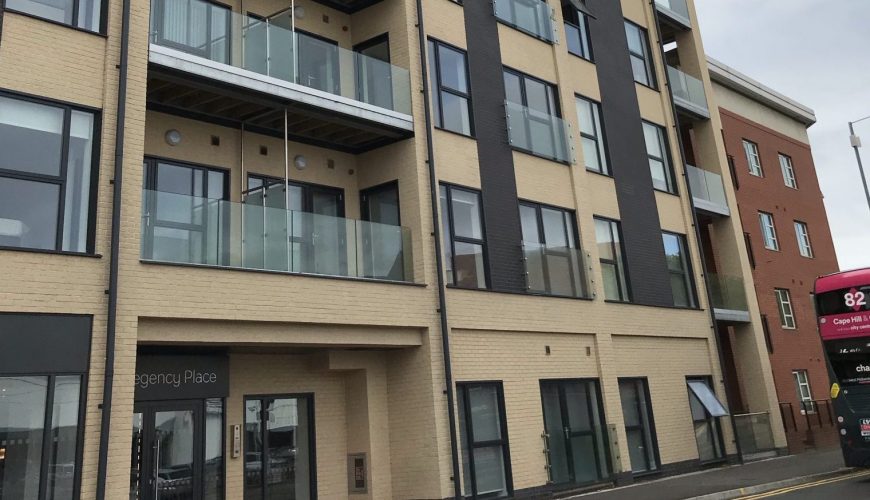
London attracts people from all over the world for its world-leading industry, rich culture and diverse, fast-paced lifestyle. But which areas of London are the best to live in? Read on to discover the top 10 best places to live in London, according to thousands of ratings from verified residents on HomeViews.
What are these rankings based on?
HomeViews constantly collects reviews of new property developments in the UK, with residents rating every aspect of their home. Factors being rated range from the home’s location, to the quality of its facilities, its management team, and, of course, its overall value for money.
For this list, we’ve focused on the location aspect. Your home’s location is always a critical factor, as it determines what you can access easily. Are public transport links a priority? Or is it the local schools, shops and cultural scene that interests you more. Whatever you’re seeking, you’ve got to find the right location for it.
The following top 10 list covers the best places to live in London in terms of their location-based scores from verified reviewers. We compiled location ratings from over 6,300 reviews gathered between July 2022 and June 2023 to find the top 10 best London boroughs to live in.
10 best places to live in London
A quick note before we start. Data from our Location Ratings Report 2023 shows that London just sneaked into the top 10 GB regions, placing at number 10. The average location rating given by reviewers living in London was a respectable 4.35 out of 5. Nearby regions only did slightly better – 4.43 on average for the East of England, and 4.44 for South East England. Scotland is currently still at the top of the table, with an enviable average of 4.71.
For now, London is still a highly desirable place to live when it comes to finding ideal locations that suit all manner of budgets and priorities. For a more detailed look, let’s dive into the different boroughs and see which ones come out on top.
1. Islington
Continuing its climb in recent years, Islington is now the top-rated London borough for location scores, hitting 4.55 out of 5. A borough of many faces, its mish-mash of neighbourhoods each have their own distinct personality, from the urban bars and pubs of Angel to the chintzy antique stores of Camden Passage. Its properties have many guises, too – there are in-the-thick-of-it luxury apartments, and period townhouses sitting shoulder to shoulder on sleepy backstreets.
Location rating:
4.55 out of 5
Average property price:
£846,896
Average rent:
£3,250 PCM
Islington is a borough of many faces. Its mish-mash of neighbourhoods each have their own distinct personality, from the urban bars and pubs of Angel to the chintzy antique stores of Camden Passage. Its properties have many guises, too – there are in-the-thick-of-it luxury Read more about Borough of Islington
2. Hillingdon
Close on the heels of Islington with a score of 4.53 is Hillingdon. It’s not surprising that the largest and westernmost borough in West London maintains consistently high location scores, as it enjoys excellent transport links into central London and out into the greener delights of the home counties. Its towns of Hayes, Uxbridge and Ruislip are all solid performers and it doesn’t hurt to have Heathrow Airport on its doorstep.
Location rating:
4.53 out of 5
Average property price:
£541,114
Average rent:
£2,000 PCM
If you are looking to buy a home in London, the Borough of Hillingdon may be the perfect place for you. Located in west London, Hillingdon is a large borough that encompasses urban, suburban and rural areas. There are plenty of things to do Read more about Hillingdon
3. Waltham Forest
Located in North East London, Waltham Forest is our third highest-rated London location, with an average rating of 4.51 out of 5. Waltham Forest is one of the largest boroughs in the city. It comprises several distinct areas, each with its own unique charms. The population of the borough is diverse and vibrant, making it a great place to live.
Location rating:
4.51 out of 5
Average property price:
£555,786
Average rent:
£1,795 PCM
If you’re considering purchasing a home in The London Borough of Waltham Forest, you’ll want to read this guide first! We’ll cover everything from the area’s demographics to the top schools in the borough. Waltham Forest is located in northeast London and is one Read more about Borough of Waltham Forest
4. Newham
Climbing from 17th in 2022 all the way up to 4th position is Newham, a small inner East London borough that continues to attract new residents along with top location marks due to its fast pace of life, highly diverse culture and dynamic plans for building an even better future. With urban regeneration projects aplenty and consistently popular areas such as Stratford and Canning Town, Newham has a lot to offer.
Location rating:
4.51 out of 5
Average property price:
£453,191
Average rent:
£2,000 PCM
If you are looking for a place to call home in London, the Borough of Newham is a great option. It is located in east London and has plenty to offer residents. In this guide, we will take a closer look at what makes Read more about Borough of Newham
5. Barnet
At number 5 (with a score of 4.48) it’s another high climber, as Barnet was ranked 28th in 2022. Barnet sits on the Northern outskirts of London, but it’s still incredibly well connected by bus, rail and underground. Other location-based benefits include excellent schooling options at the primary and secondary levels, great shopping and nightlife, and a culinary culture to die for.
Location rating:
4.48 out of 5
Average property price:
£798,098
Average rent:
£2,700 PCM
London is a city of contrasts, and nowhere is this more apparent than in the boroughs. The borough of Barnet has a suburban feel with its leafy streets lined with houses and gardens. You’ll find many parks and green spaces in the area, along Read more about Borough of Barnet
6. Tower Hamlets
Sitting on the north bank of the Thames, Tower Hamlets is our 6th top-rated borough for location, with an average review score of 4.45. While the borough has ongoing issues to tackle, it’s an up and comer with plenty to offer all manner of renters and buyers. It’s also home to the invariably popular Canary Wharf, an area that routinely gets perfect or near-perfect location scores from reviewers thanks to its gorgeous views, outstanding new property developments and unbeatable transport links.
Location rating:
4.45 out of 5
Average property price:
£560,247
Average rent:
£2,920 PCM
Diverse, vibrant and with its finger well and truly on the pulse – that’s London’s Tower Hamlets. It’s what we like to call the Selfridges of the capital’s boroughs, in that it truly offers something for everyone. Art lover? Foodie? Or Fitness fanatic? Read Read more about Borough of Tower Hamlets
7. Wandsworth
Next up at number 7, the South West borough of Wandsworth has a locational average score of 4.43. One of the reasons it’s so beloved is that it has a wide range of community “hubs”, each with its own green spaces and general vibe. Clapham is a perennial favourite location, given its trendy, relaxed and green living credentials. Tooting is more bustling and diverse, with plenty of character and charm. This is just the tip of the iceberg with this fascinating borough.
Location rating:
4.43 out of 5
Average property price:
£904,512
Average rent:
£2,900 PCM
Welcome to Wandsworth, a leafy, south-west London borough overlooking the River Thames. It’s right opposite Fulham and, while the area has plenty in common with its affluent neighbour, living here is notably kinder on the bank balance. Read on to discover developments that are Read more about Borough of Wandsworth
8. Southwark
Southwark achieved an average score of 4.42, nipping at Wandsworth’s heels! Southwark sits on the River Thames and offers some of the best attractions in the capital, ranging from Shakespeare’s Globe and the Tate Modern, not to mention the gorgeous gastronomical experience that is Borough Market.
Location rating:
4.42 out of 5
Average property price:
£718,152
Average rent:
£3,450 PCM
Southwark is nestled on the South Bank of the Thames, and among its luxury riverside apartments and ultra-modern offices, are some of London’s biggest icons. This area is rich in culture, architecture and entertainment, charming millions of visitors (and residents) each year. For the Read more about Borough of Southwark
9. Croydon
Croydon has a score of 4.34 out of 5, and finds itself in 9th place on our list. There are two great reasons to live in Croydon, these go hand in hand to make it a compelling choice; its relatively cheap property prices and its excellent transport links into Central London. On top of that, numerous initiatives are transforming Croydon and helping make its once dowdy image a thing of the past.
Location rating:
4.34 out of 5
Average property price:
£445,175
Average rent:
£1,650 PCM
There are two great reasons to live in Croydon, these go hand in hand to make it a compelling choice; its relatively cheap property prices and its excellent transport links into Central London. On top of that, numerous initiatives are transforming Croydon and helping Read more about Croydon
10. Haringey
We round off the top 10 with another North London borough, Haringey, with a score of 4.32. It’s an area of contrasts, with its western areas incorporating some of the wealthiest postcodes in the country, as well as other areas in need of investment and improvement. It’s an excellent spot for boutique shops and cafés, particularly if you head down to Finsbury Park, Seven Sisters, Blackstock or Stroud Green.
Location rating:
4.32 out of 5
Average property price:
£743,637
Average rent:
£2,250 PCM
Interested in moving to The London Borough of Haringey? This guide will tell you everything you need to know about the area before making your decision! Located in North London, Haringey is a large borough with plenty to offer prospective home buyers. It is Read more about Borough of Haringey
What’s it like to live in London?
London is a vast, global city with a diverse population of almost 9 million. Subsequently, the city offers something for everyone. Perhaps you’re looking for a slice of authentic urban culture. Maybe the slick, fast-paced rhythms of commercial centres appeal, or it could be a relaxed, family vibe you’re after.
Alternatively, there’s modern city living in Canary Wharf, while diverse Brixton, Hackney and Tottenham offer a global tour of food and culture. Meanwhile, leafy West London boroughs offer a more laid-back pace beside the meandering Thames. Alternatively, in North London, Islington, Camden and St. John’s Wood are playgrounds for the capital’s urbane professionals and fashionistas.
Islington: London’s best-rated location
New build residents gave Islington developments an average location score of 4.55 out of 5. If compared to the regions of the UK, this would place Bromley around sixth place overall, between South West England and Yorkshire and the Humber. This ever-popular central borough offers the best of both worlds. It’s extremely well-connected by rail and road, while it maintains the feel and community spirit of a self-contained town.
Islington’s highest-rated new property developments
Islington’s new build property developments are adding a little something extra to this already popular location. Whether you’re looking to rent or buy in Islington, there are various new buildings and developments to choose from. Take a look at some of the best-rated new homes in Islington below:
Vantage Point is a Build to Rent development by Essential Living, offering 118 apartments – studios, one-bedroom and two-bedroom apartments. All Vantage Point residents get access to a range of features and amenities. These include a 24-hour onsite team, a roof terrace, games room and exercise room. In addition, the development is above Archway London […] Read reviews and details of Vantage Point, N19
Arundel Square is a United House Development located in Islington. It is comprised of 147 apartments and residents have access to a range of amenities, for example: a concierge, bike storage, parking and gardens. The development is conveniently situated just a few minutes walk from both Highbury and Islington station and Caledonian Road & Barnsbury […] Read reviews and details of Arundel Square, N7
The Eagle is a Mount Anvil development in the City of London. This high-rise building comprises of both residential units and commercial space. There are 276 apartments here, 70 of which are Family Mosaic affordable housing units. The Eagle is close to Old Street station and an easy walk from the vibrant London neighbourhoods of […] Read reviews and details of The Eagle, EC1
Ashburton Gate is a residential development with a unique location next to Arsenal’s Emirates Stadium, and a short walk from Islington’s popular Upper Street. Residents benefit from excellent transport links via Arsenal Road tube and the Drayton Park Overground, both close to the complex. The development was built by Galliard Homes. Read reviews and details of Ashburton Gate, N5
Queensland Terrace is situated in North London, just seconds from the front door of the Emirates stadium, home of Arsenal football team. It is well placed for commuters, with excellent transport links via Holloway Road’s Piccadilly line and Drayton Park’s National Rail services. Read reviews and details of Queensland Terrace, N7
Highbury Square, N5 is a unique development built from the historic Highbury Stadium, home to Arsenal Football Club from 1913-2006. Although officially referred to as Arsenal Stadium, the ground was more commonly known to fans as Highbury. Developed by Frasers Property, the scheme now comprises 711 studio, one, two and three-bedroom apartments. These were built […] Read reviews and details of Highbury Square, N5
Mount Anvil and Clarion Housing Group partnered to bring Lexicon – also known The Chronicle Tower – to the Islington borough, and its 115 metres and 36 storeys make it the area’s tallest. There are 146 units here – a collection of one, two and three-bedroom apartments, set on City Road by Regent’s Canal, and […] Read reviews and details of Lexicon, EC1
Islington Square, by Galliard Homes, is on Almeida Street, just behind Islington’s popular Upper Street. It’s a large, mixed-use development that comprises of residential units, shops, offices and leisure space. Upon completion, the development will house studio flats and apartments that range from one to four bedrooms. Nearby transport hubs include Essex Street train station […] Read reviews and details of Islington Square, N1
Canaletto London is a development by Groveworld, which features 190 one, two and three-bedroom apartments and studios in a 31-storey tower. Situated in City Road in Hoxton, the development is less than a ten-minute walk away from Old Street Underground and rail station, with connections to the Northern line and Great Northern rail services. Victoria […] Read reviews and details of Canaletto London, EC1V
Central Square is developed by Mount Anvil and comprised of 274 studio and one to four-bedroom apartments. It is located in Clerkenwell, just an 11-minute walk from Old Street station which is serviced by the Northern line and Great Northern line trains. Read reviews and details of Central Square, EC1V
London’s lowest-rated location
Barking and Dagenham takes the dubious honour of being voted the worst London location by reviewers on HomeViews. Developments in this sprawling East London borough were rated, on, average, 3.82 out of 5 by residents. This could be testament to the specific location of the new build developments in the area. Otherwise, Barking and Dagenham is a well-connected community on the outskirts of London with prices way below the average for the capital (£400,657 for the 12 months to June 2024).
What are London property prices like?
As of June 2024, the average price of a property in London is just over £762,000. This is based on data from Rightmove from sales over the past 12 months, and prices vary across the city.
Islington, London’s highest-rated location according to reviewers on HomeViews, averages a price of £846,896, though you can find flats in the area for an average of £637,000. Second-placed Hillingdon is well below the average for London, at around £541,000.
Find the best new homes in London
Are you considering London for your property search? If you want an overview of the best new homes in the capital, read our Greater London area guide below. It contains reviews of the best new properties to buy and rent across the city.
Greater London is the name of the ceremonial county that covers the London region, excluding the City of London. With a population of over 8.9 million (2018), this 607 square mile area is split into 33 districts that stretch from Hillingdon in the west Read more about Greater London
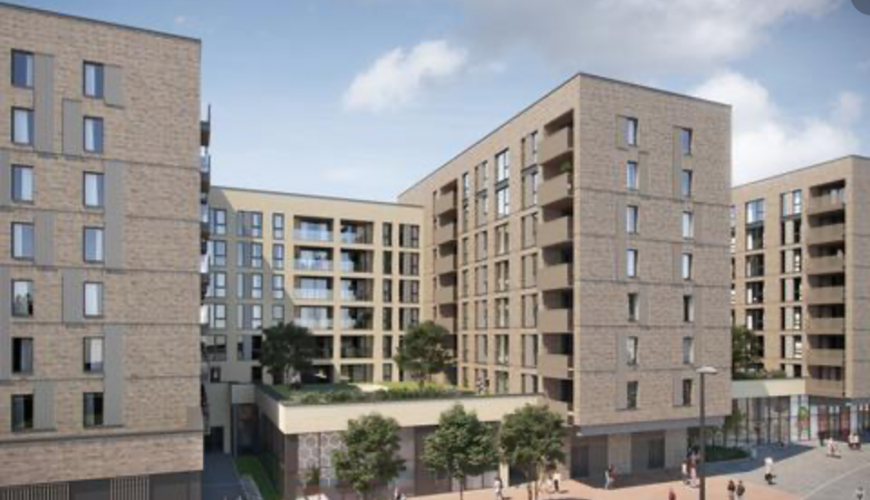
HomeViews is the only independent review platform for residential developments in the UK. Prospective buyers and tenants use it to make an informed decision on where to live based on insights from carefully verified resident reviews. Part of Rightmove since February 2024, we’re working with developers, house builders, operators, housing associations and the Government to give residents a voice, recognise high performers and to help improve standards across the industry.