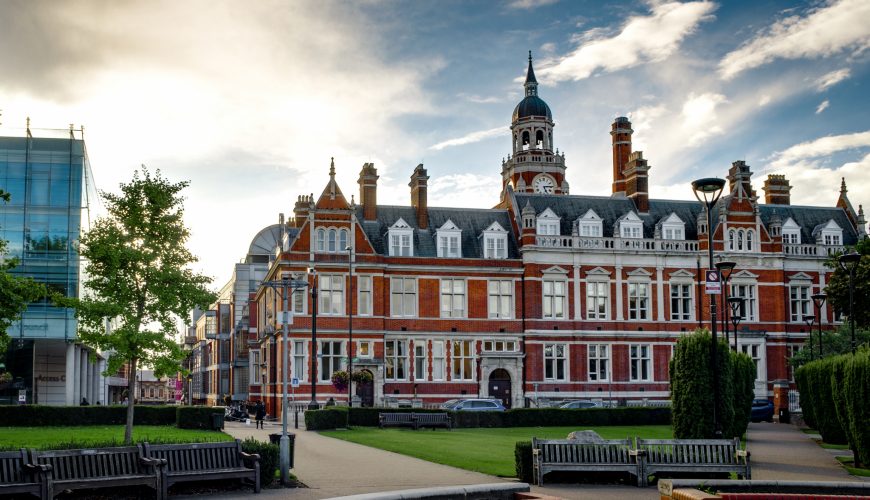
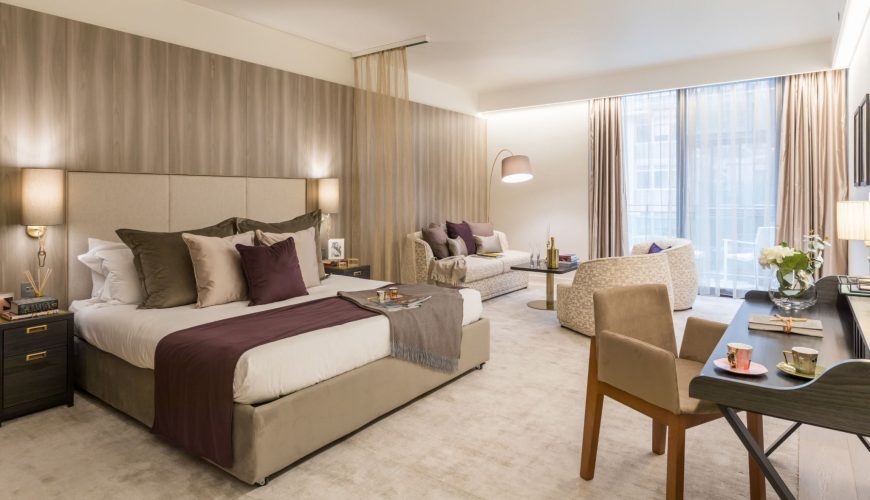
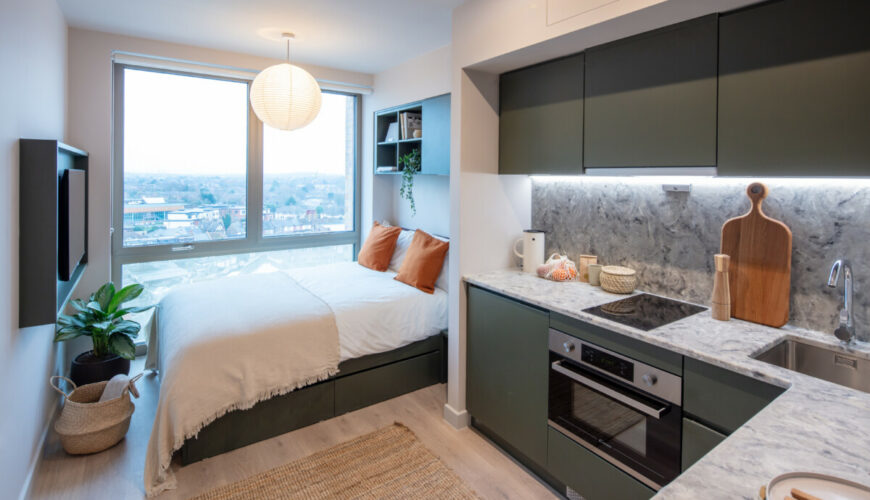
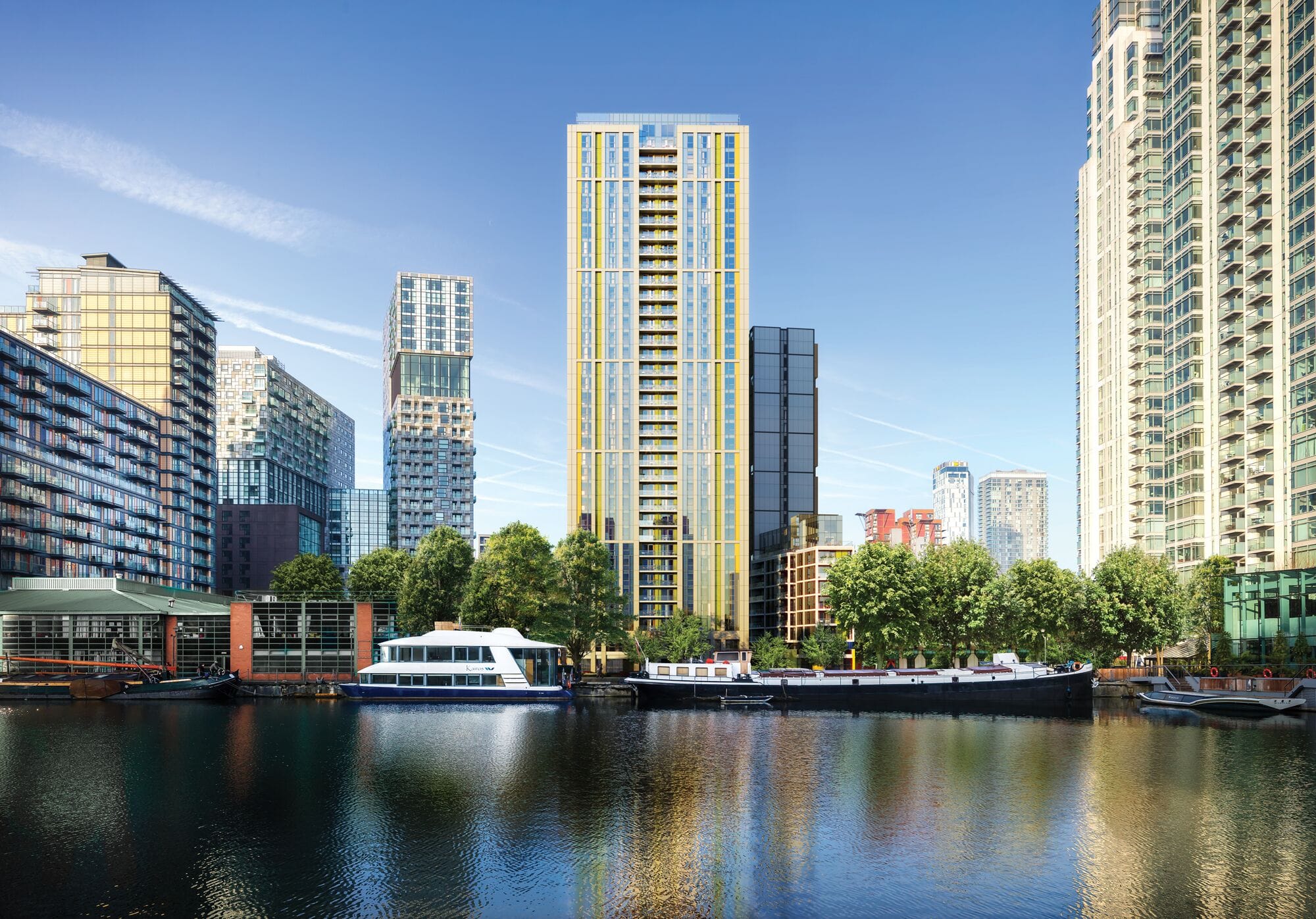
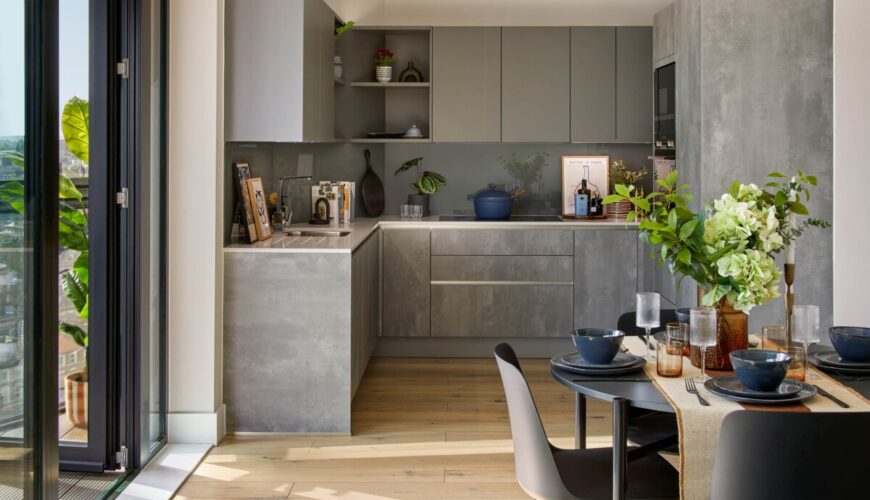
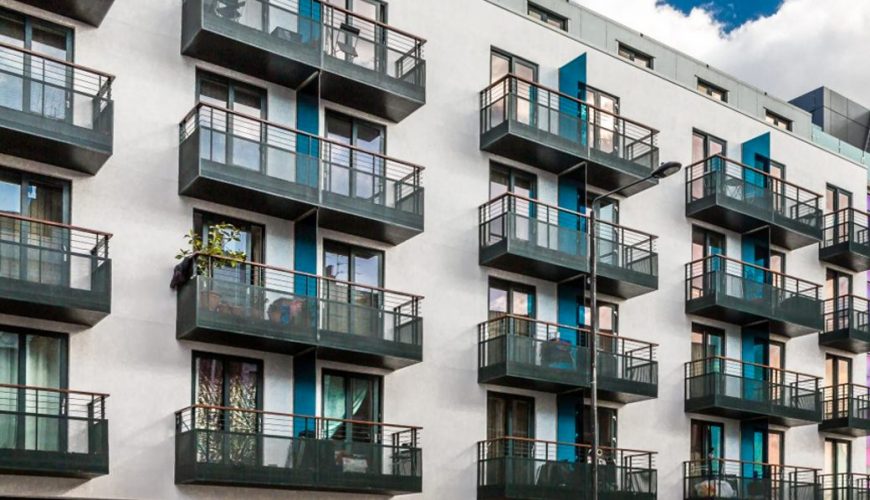
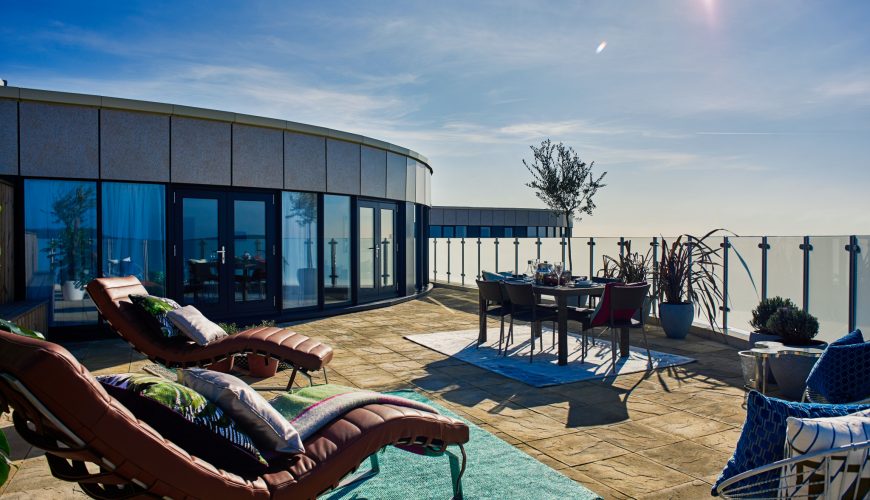
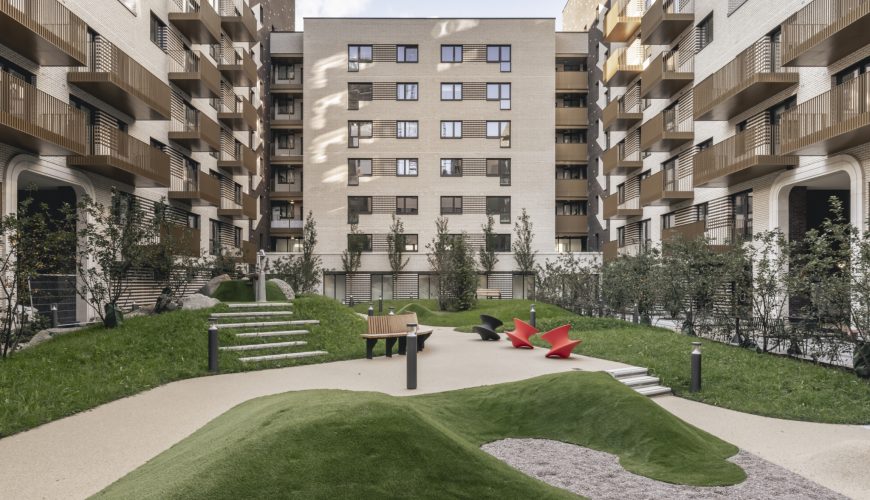
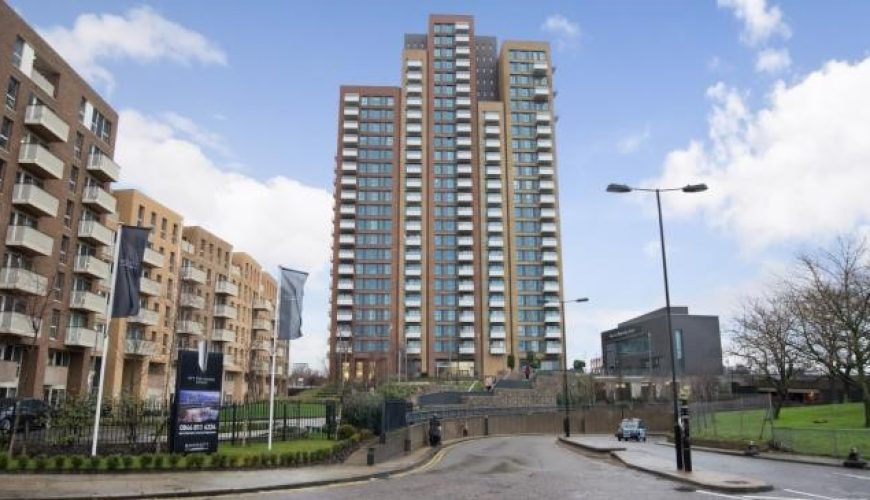
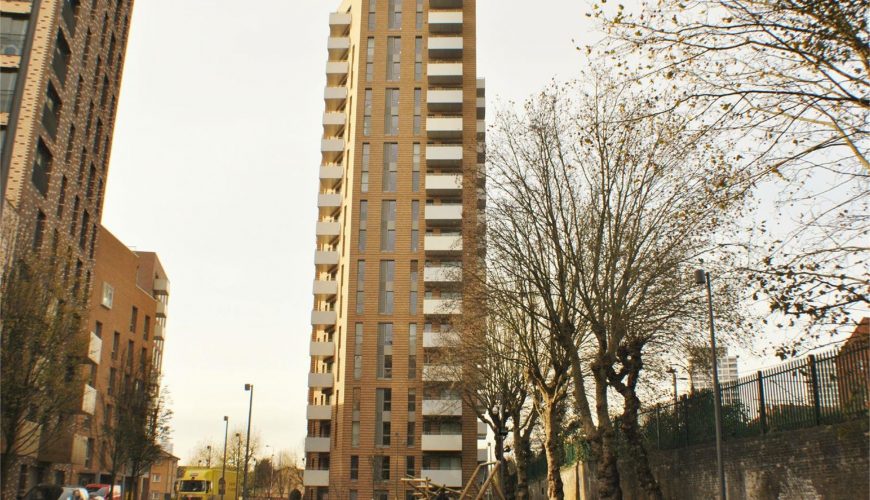
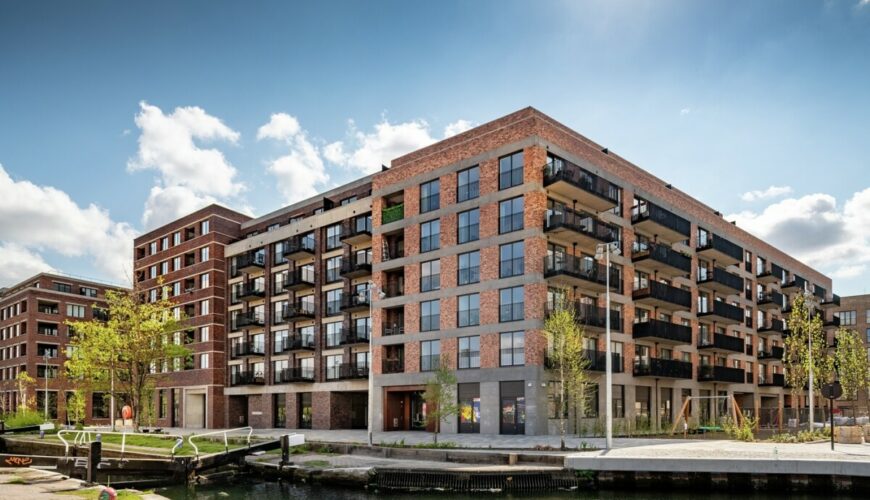
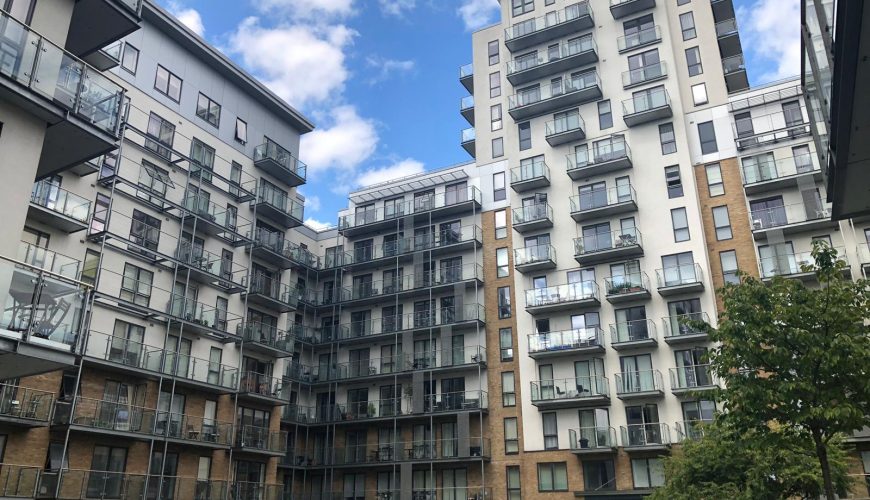
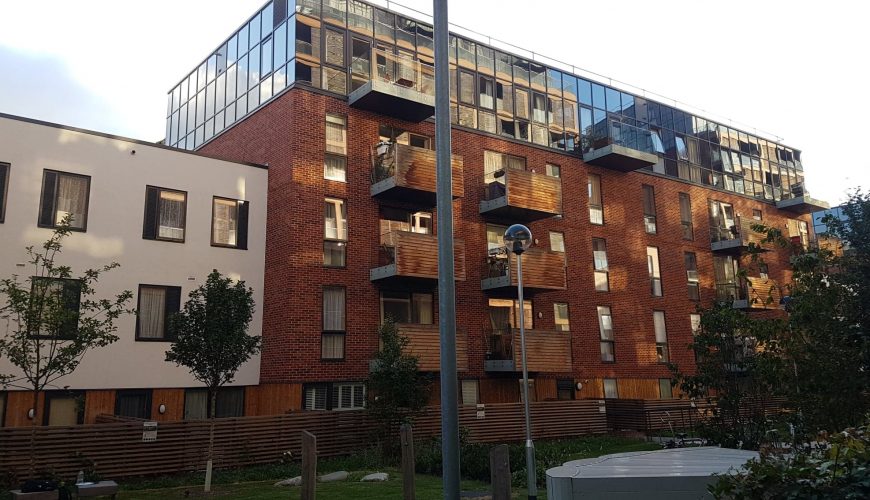
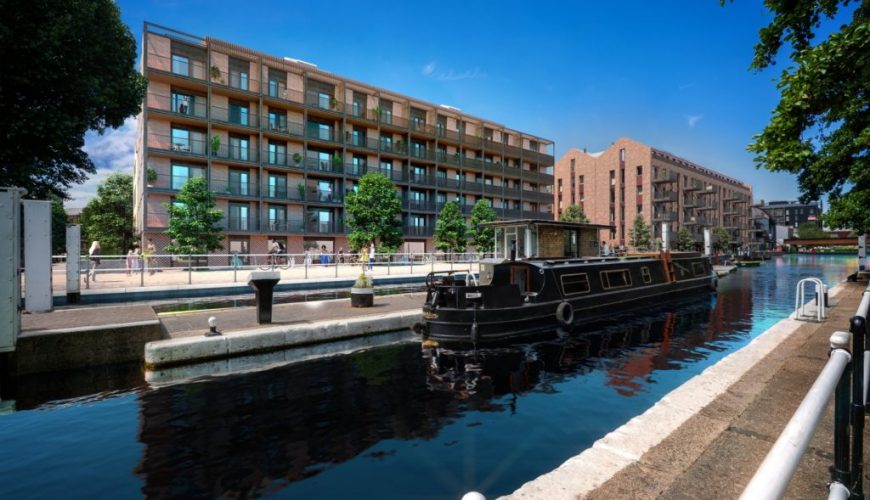
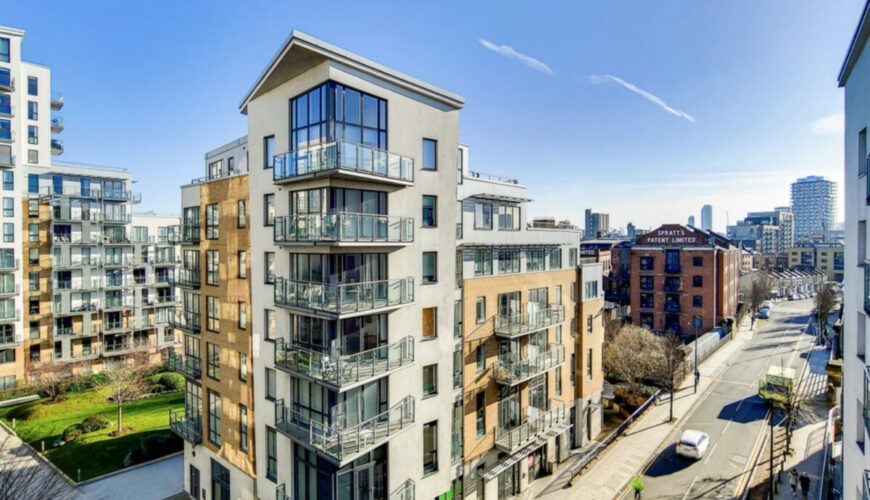
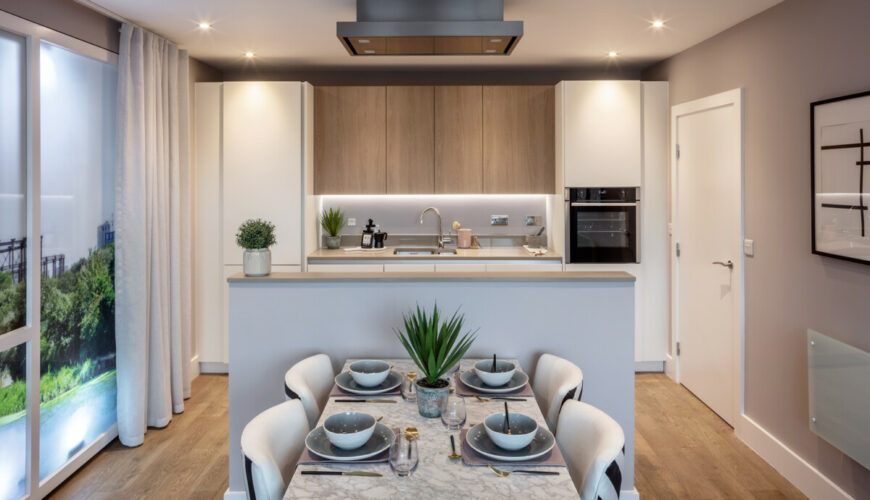
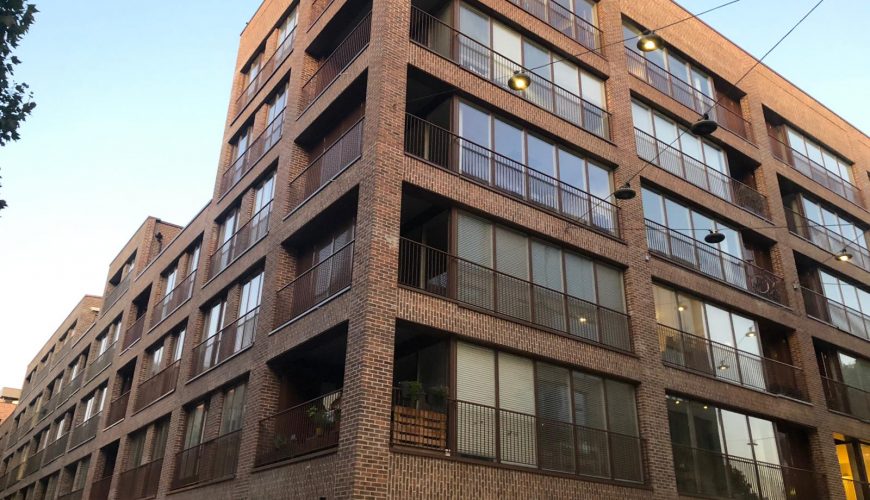
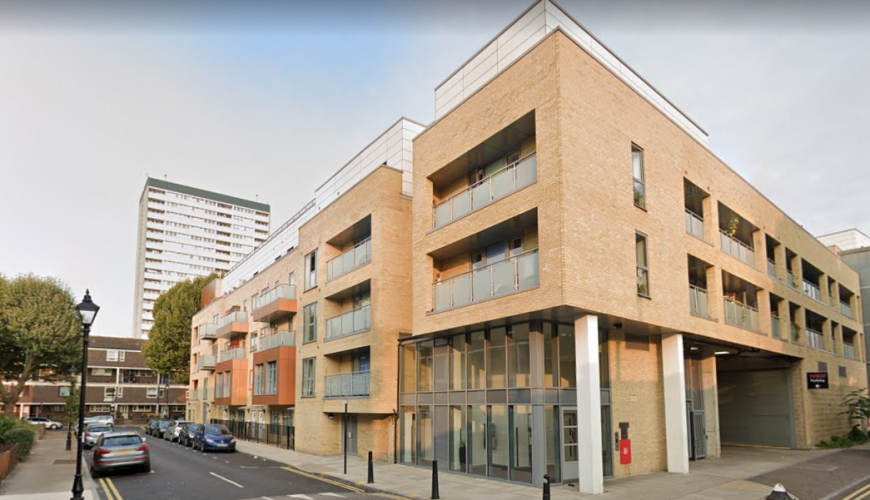
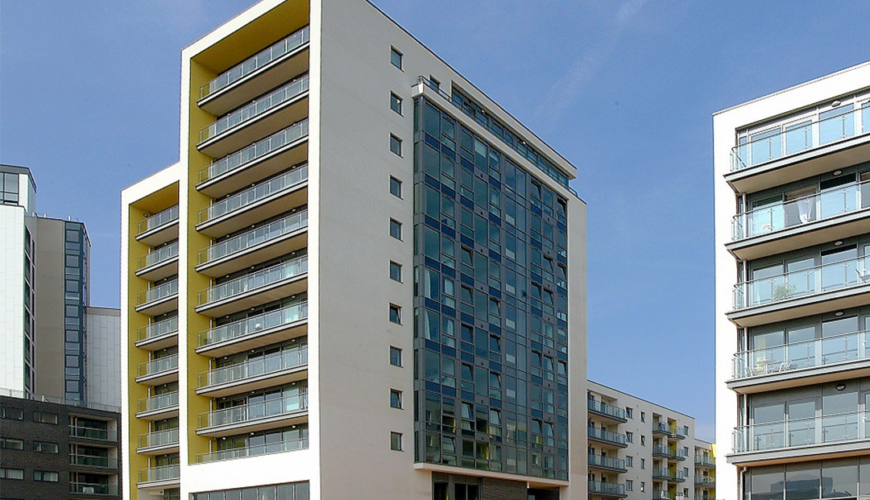
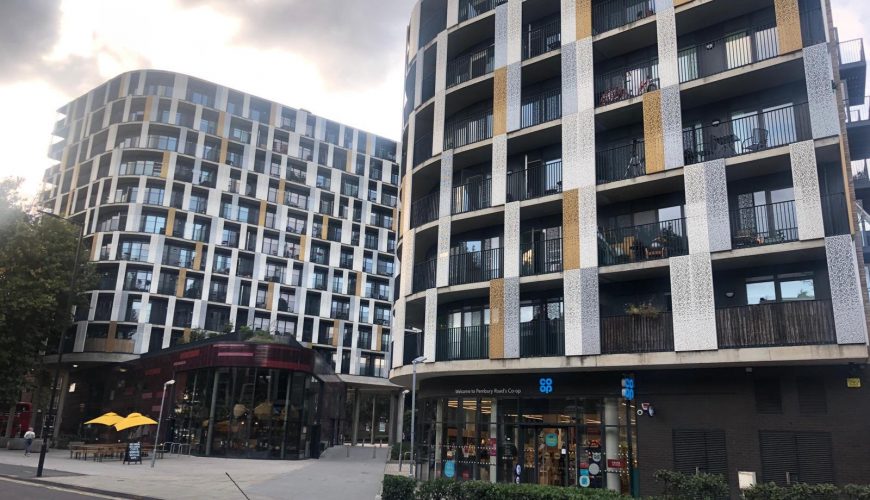
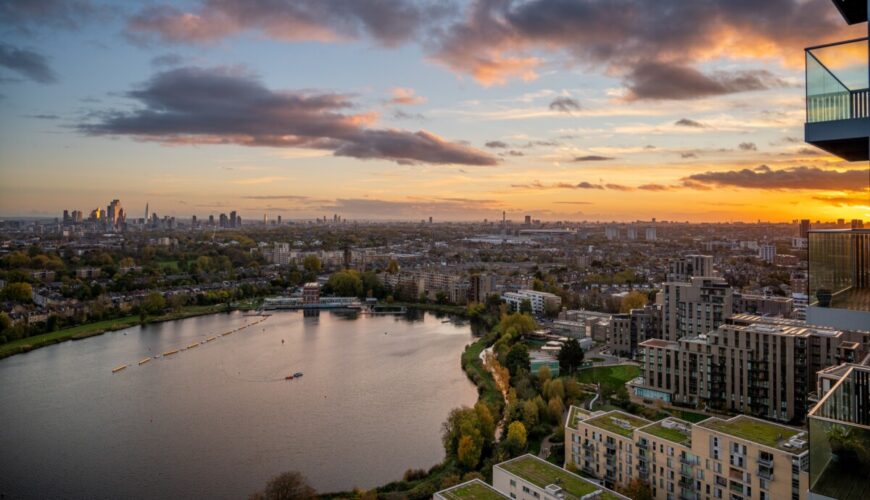
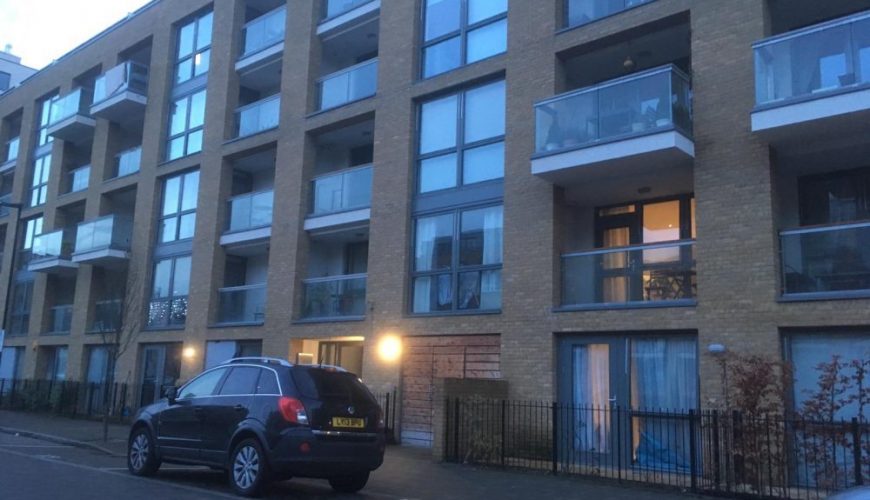
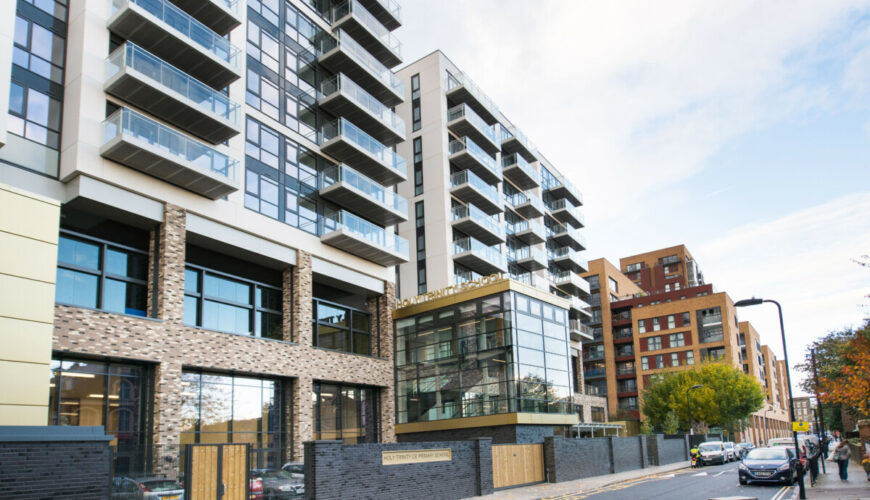
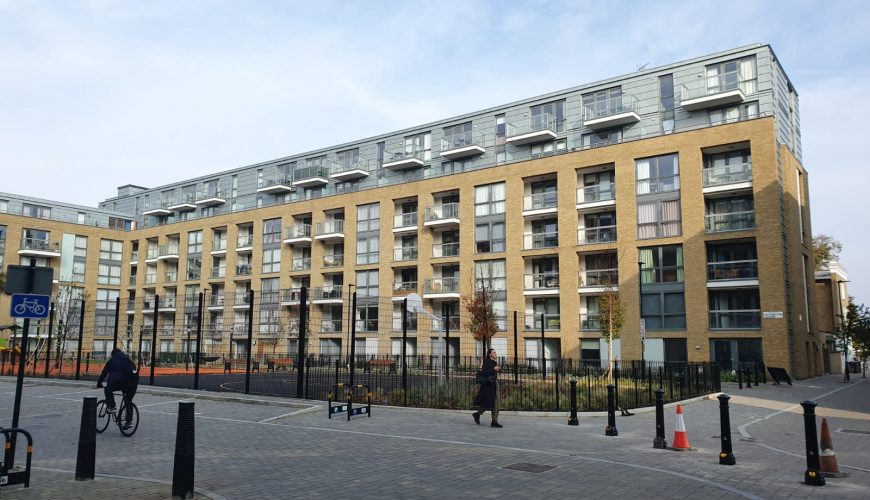
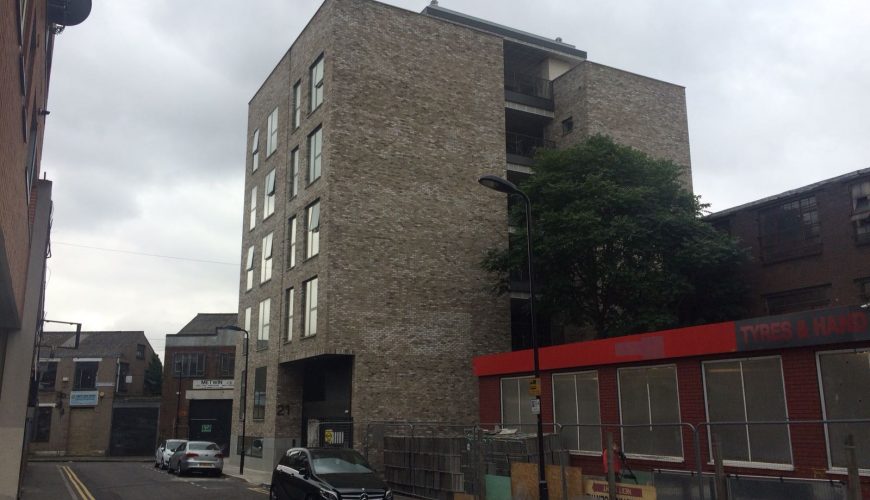
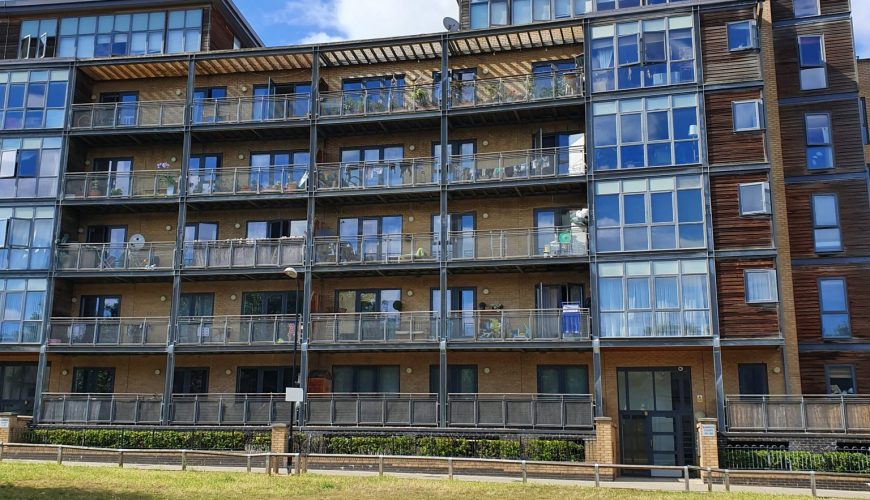
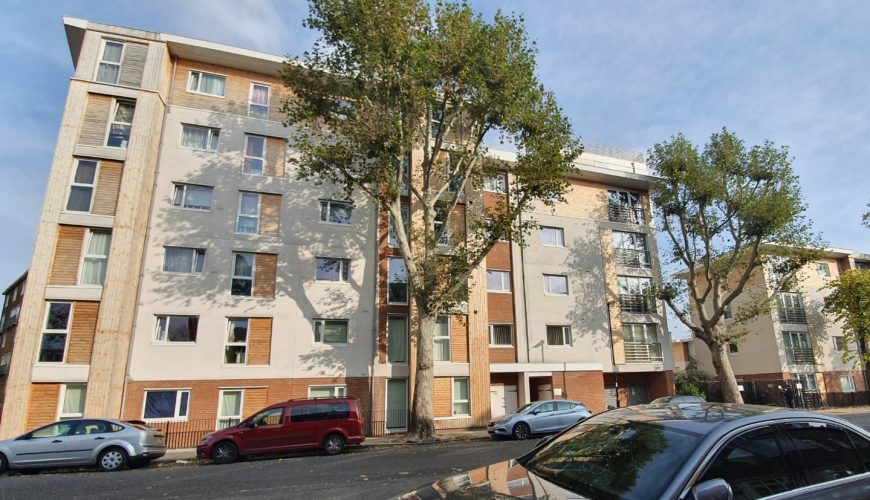
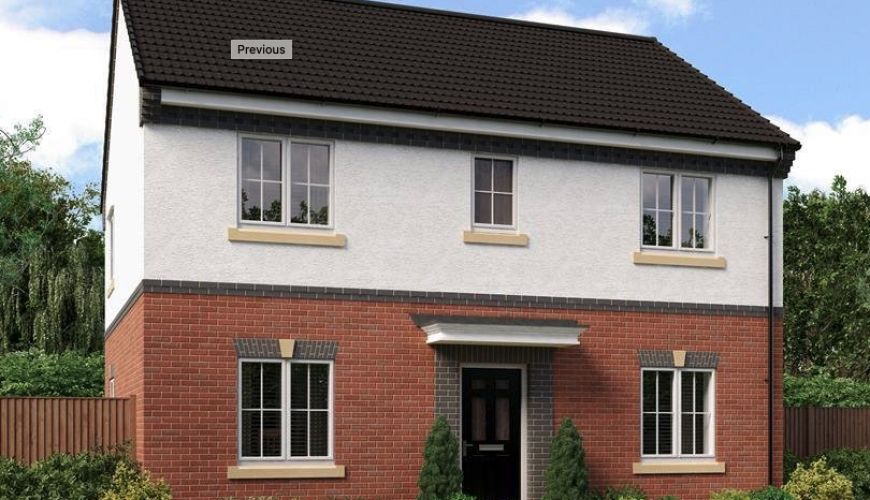
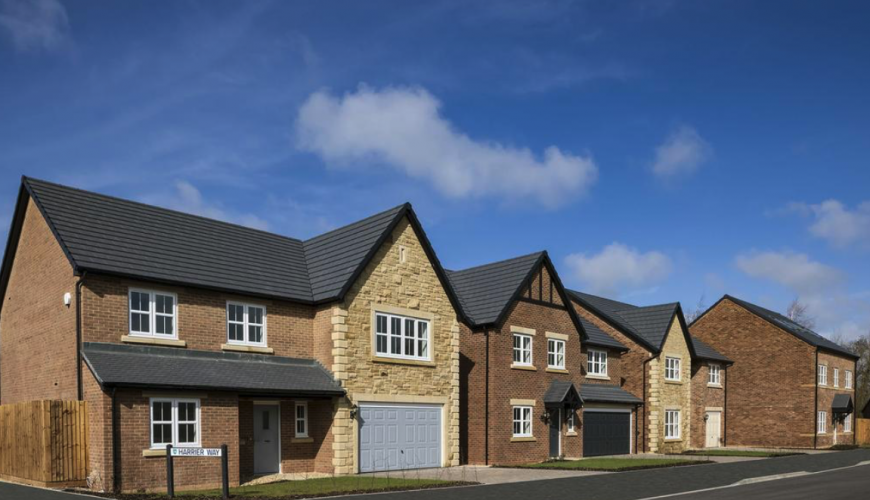
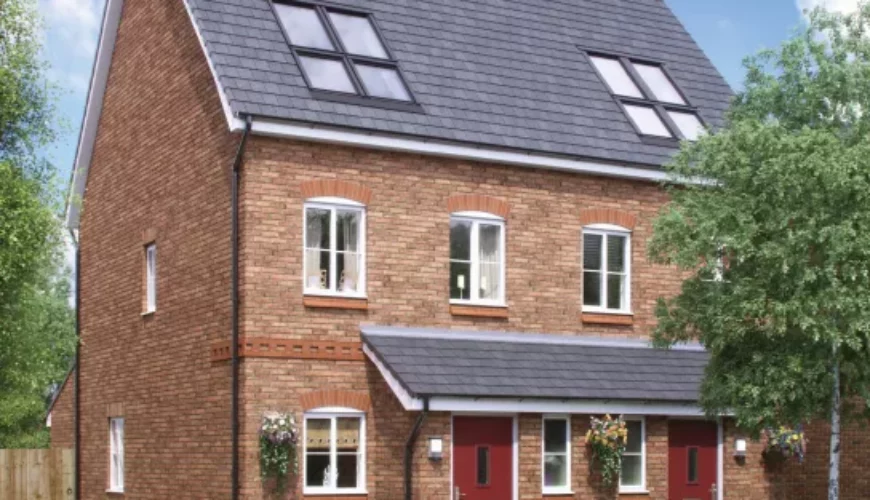
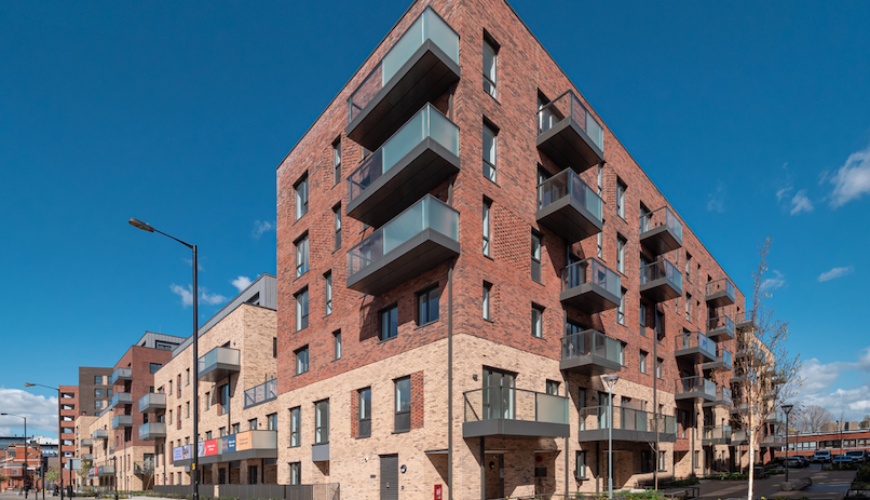
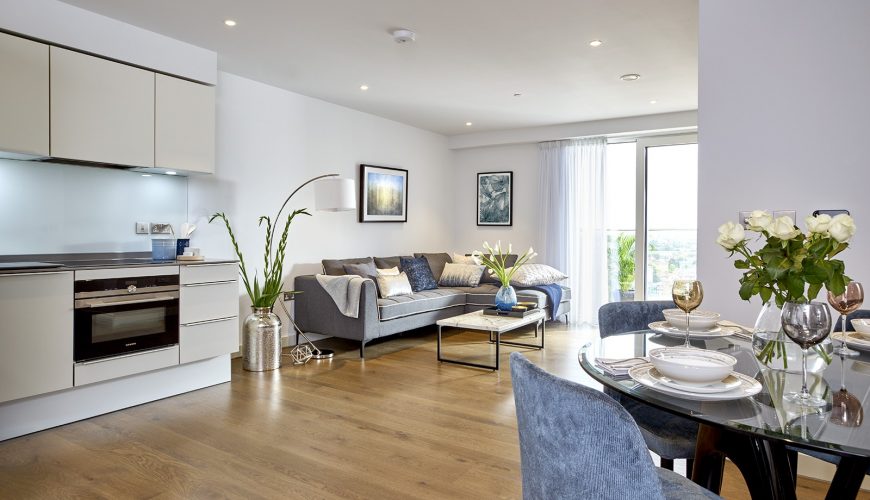
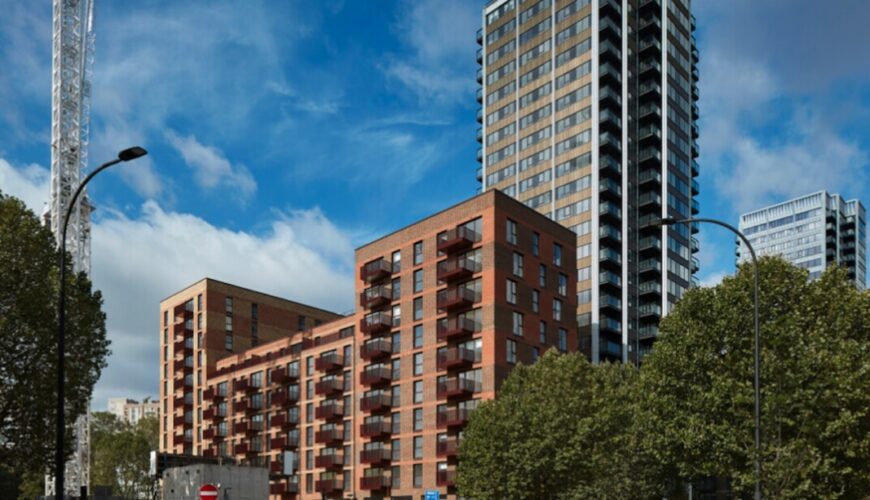
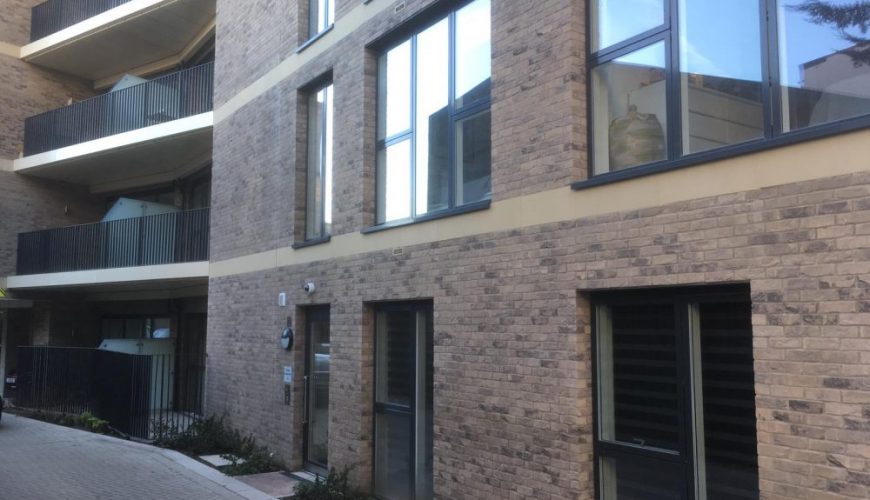
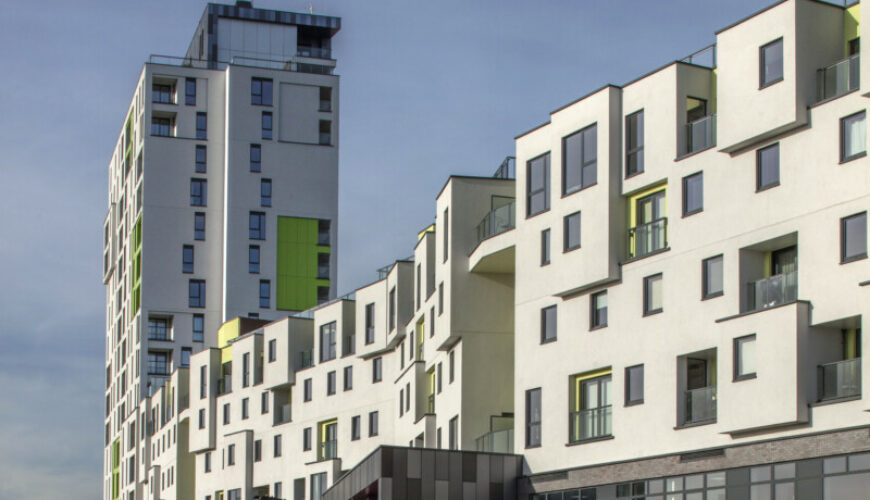
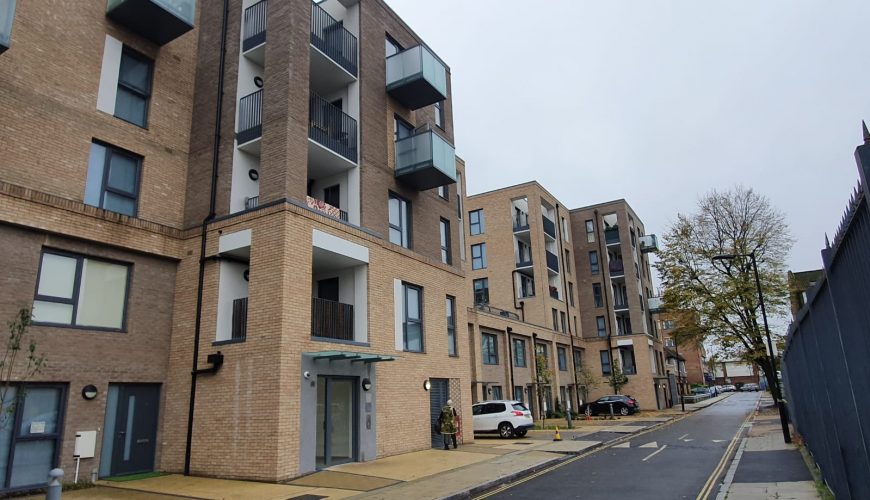
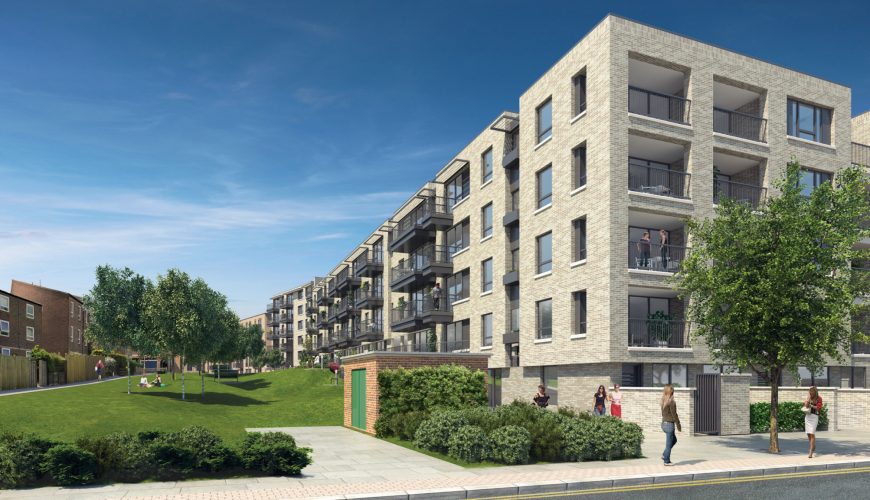
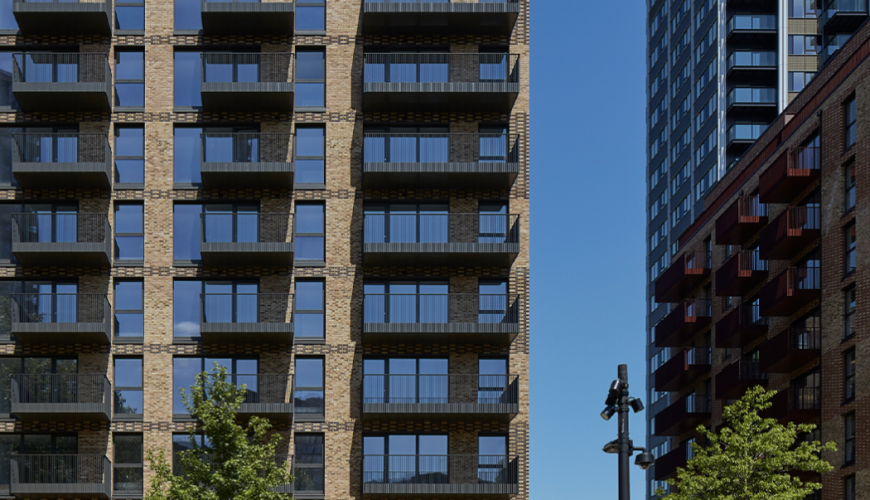
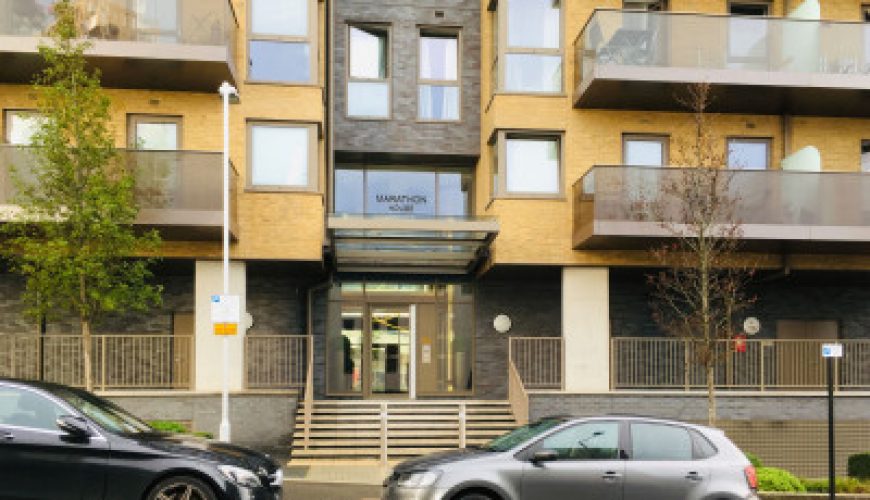
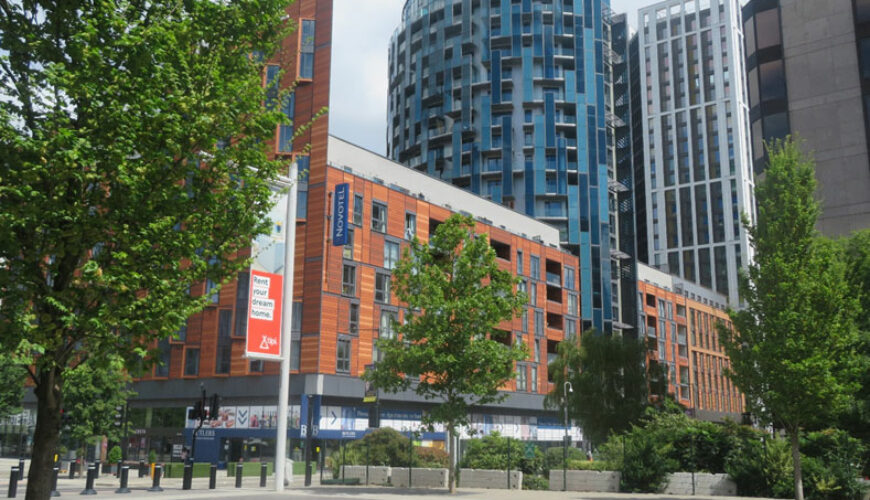
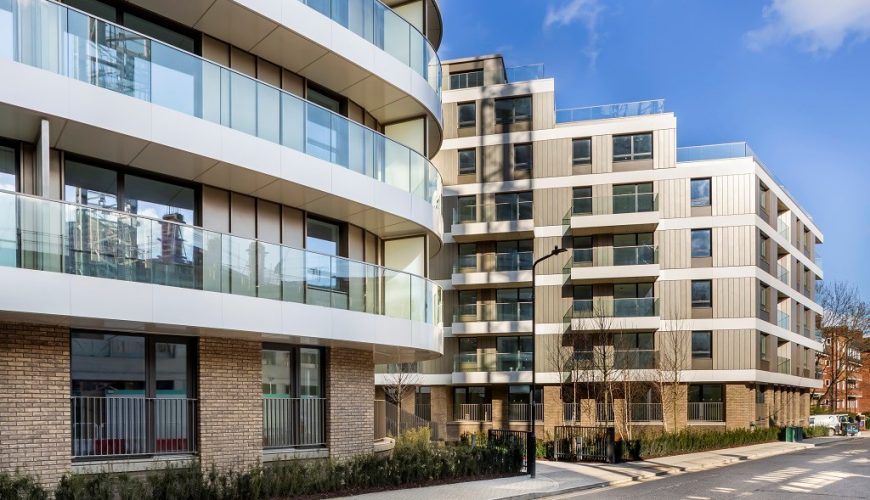
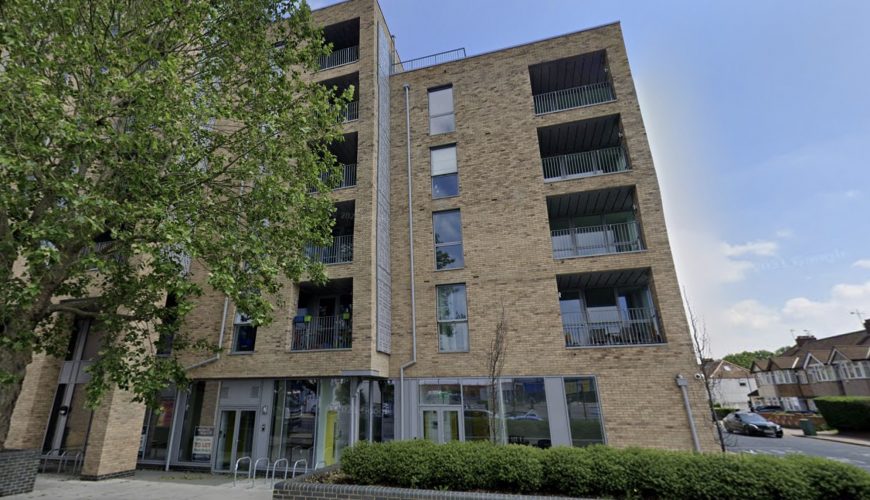
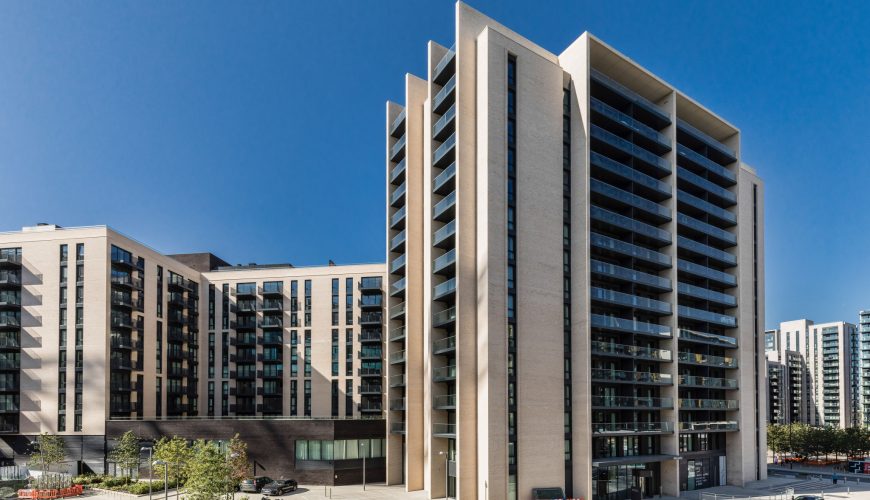
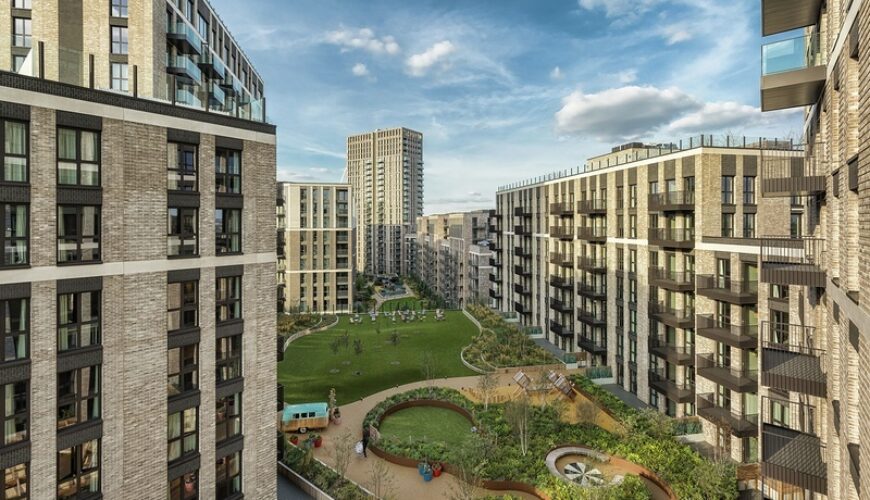
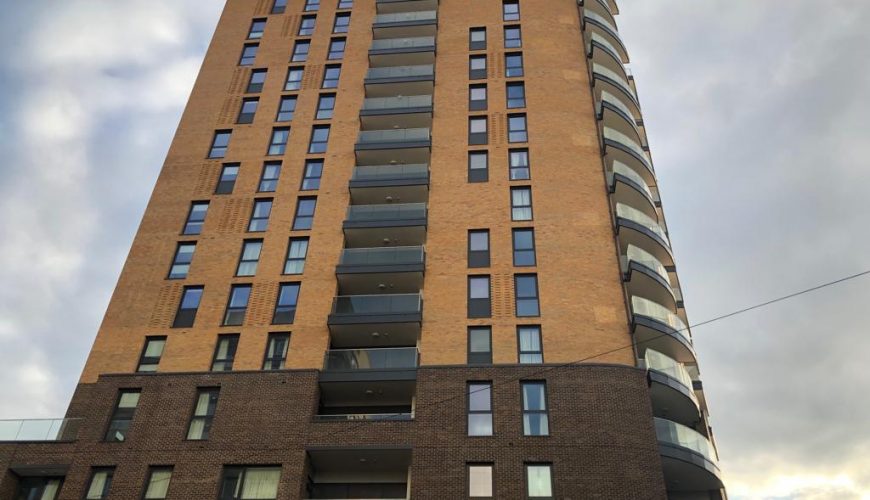
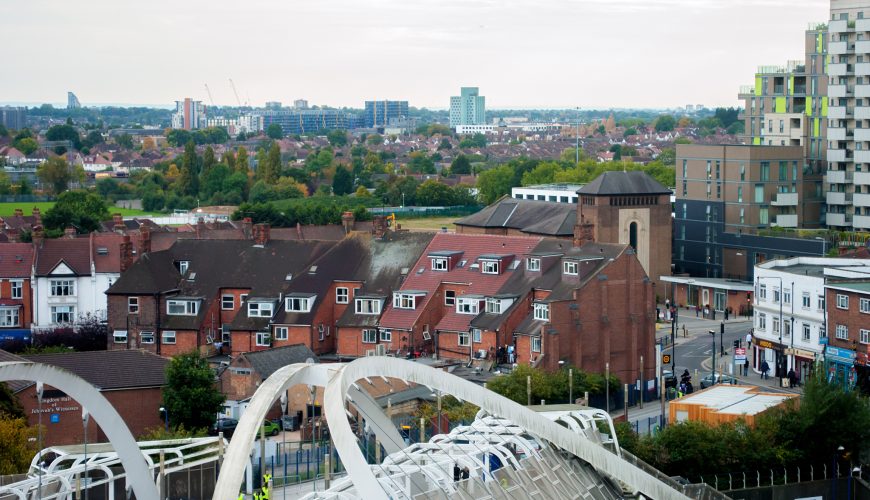
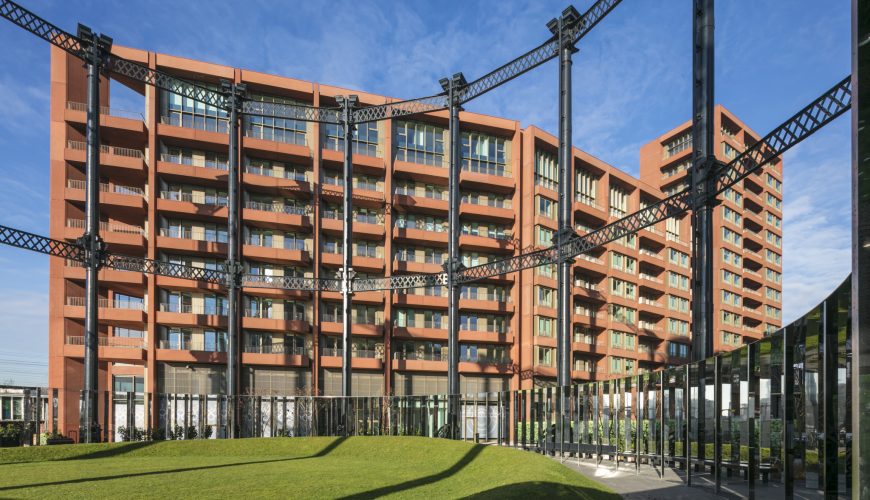
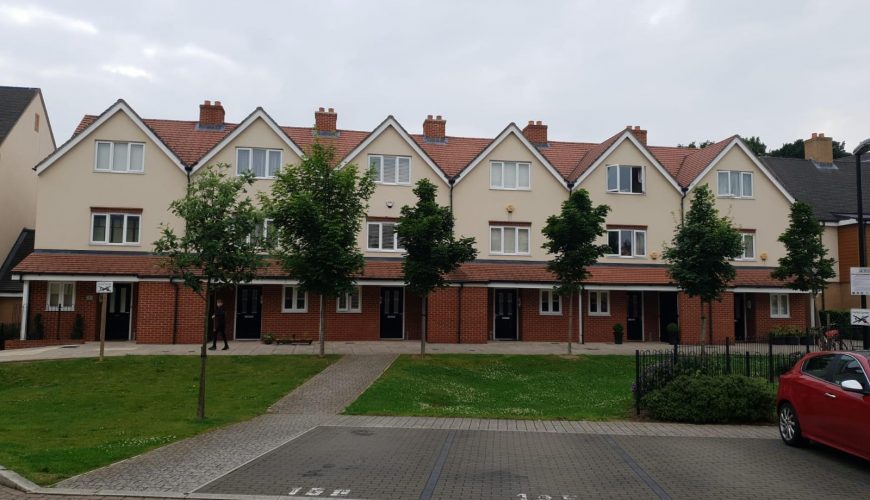
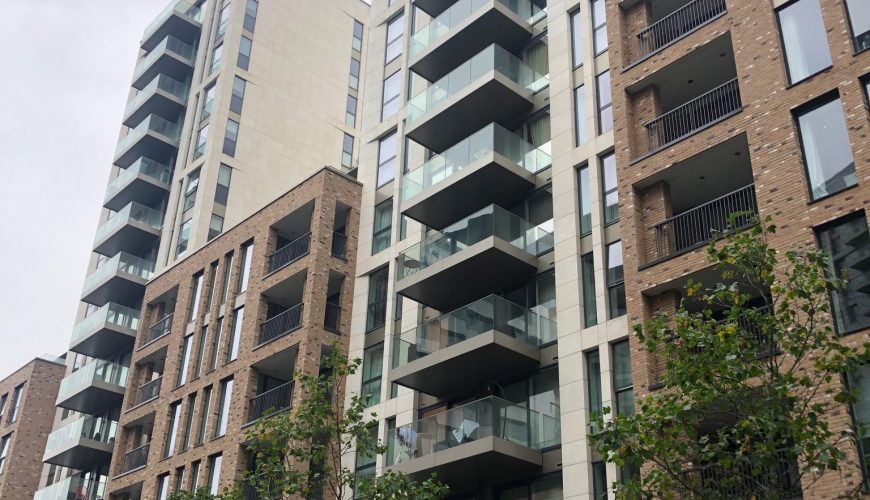
Are you considering living in Putney? We take a look at the five highest-rated new developments in this popular suburb in South West London. We’ll explore what it’s like to live in Putney and discover the best places to live in Putney as rated by real residents in the neighbourhood.
Top 5 best places to live in Putney
These five new developments have been rated as the best in Putney by verified residents on HomeViews. Developments are rated on location, design, management, value and facilities, giving an overall star rating combining all five categories. We’ve only included developments with at least 10 reviews completed.
*PLEASE NOTE these rankings take into account how many reviews a scheme has and how recently those reviews have been submitted, so may not match the overall star ratings shown. Buildings with a larger number of more recent reviews are given a greater weighting to reflect current building performance.
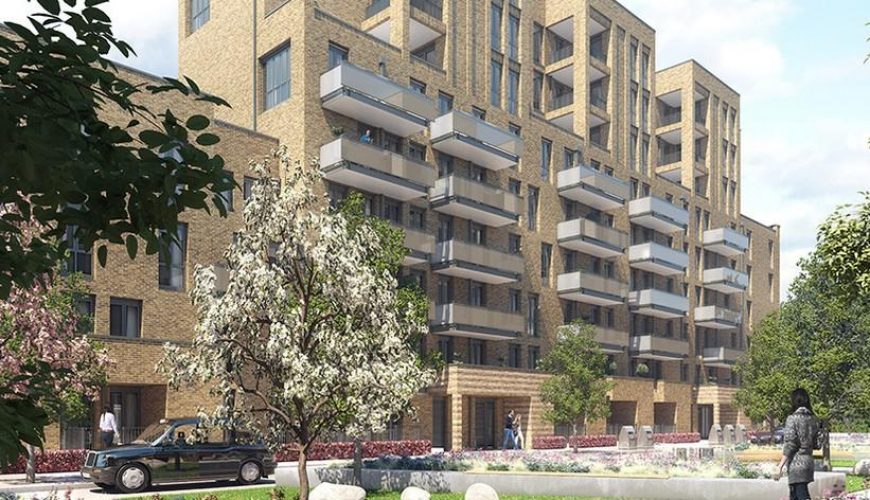
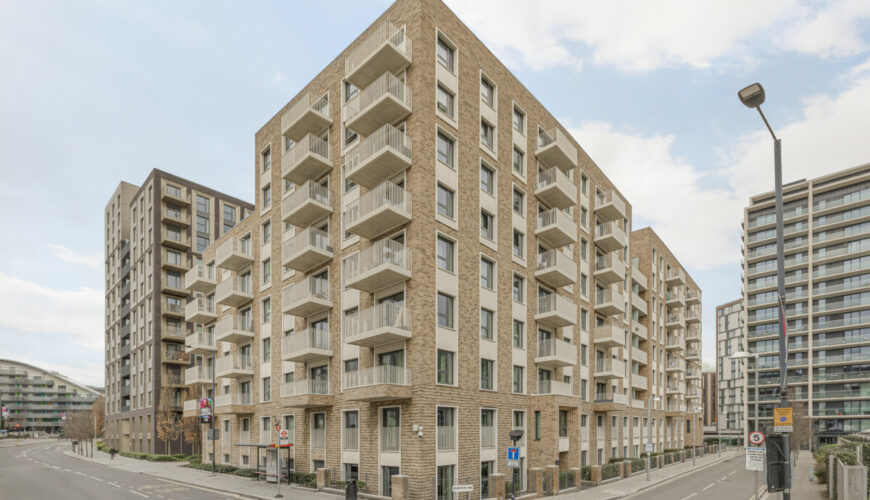
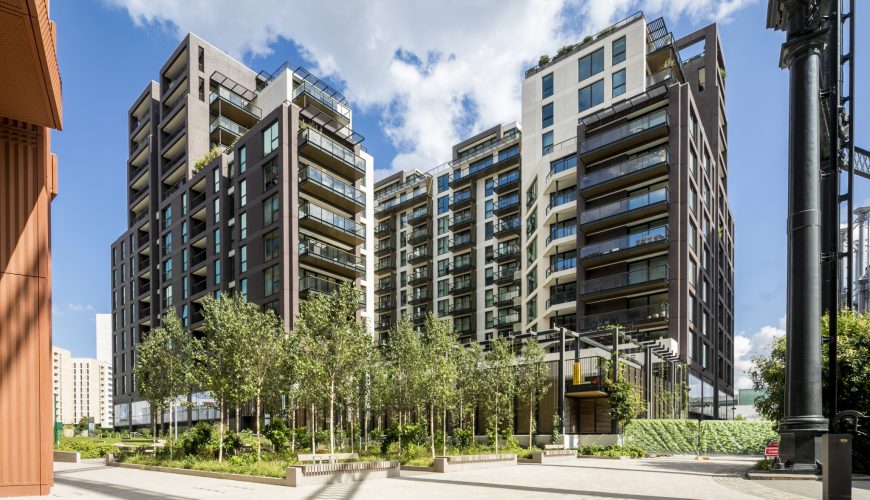
Residents on HomeViews currently rate London Square Putney as the best place to live in Putney. This new development was designed by signature architects Allford Hall Monaghan Morris and comprises one, two and three bedroom apartments and penthouses. The scheme’s excellent location brings Putney Mainline and East Putney stations within easy reach, and is also a short walk away from Putney High Street.
Read reviews and details of London Square Putney, SW15
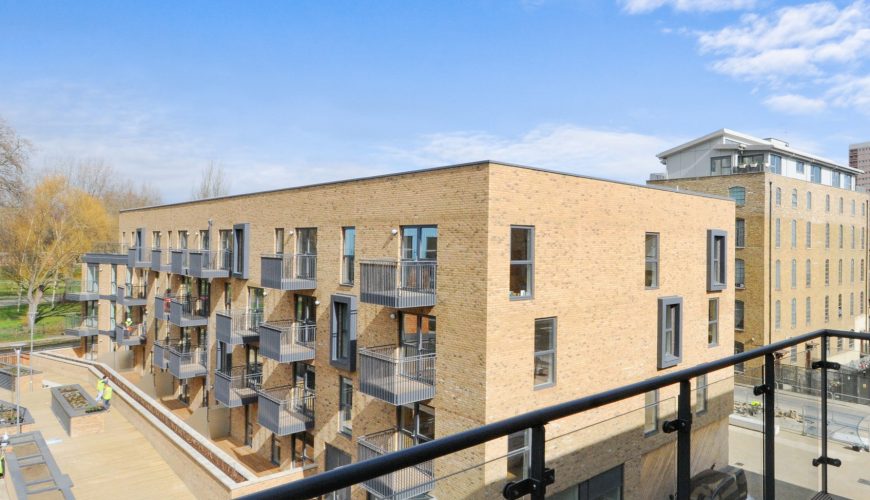
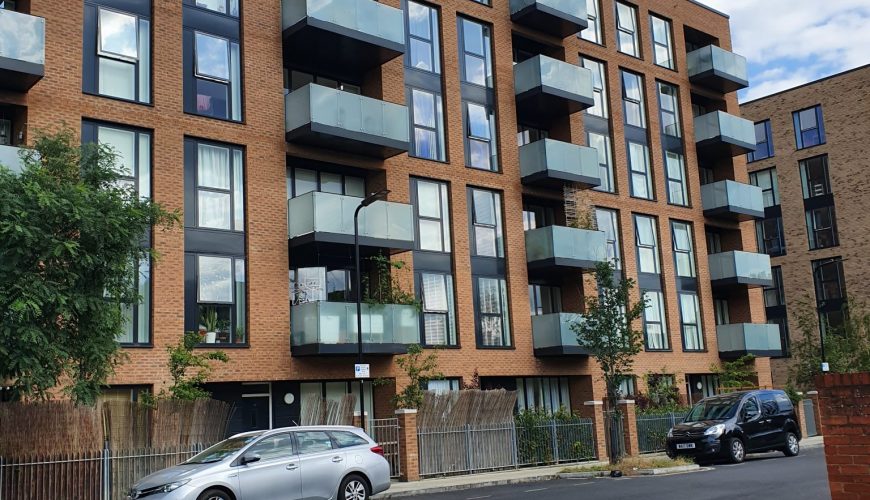
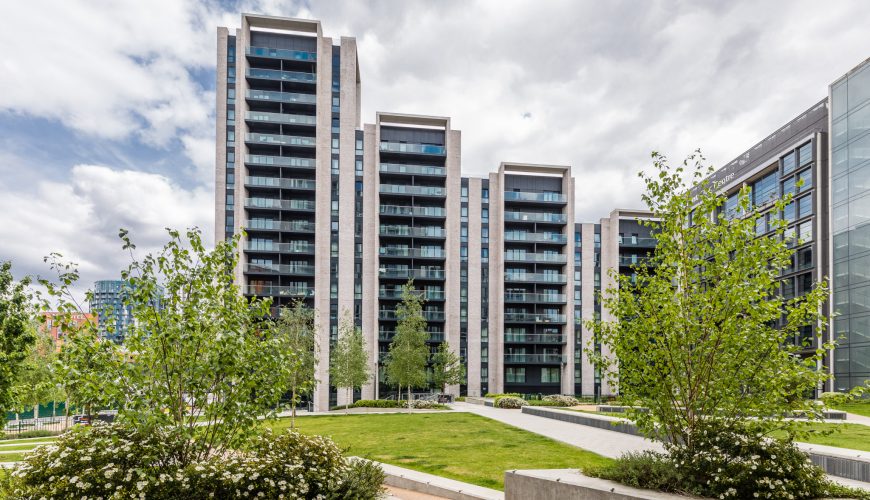
Second on our list of outstanding places to live in Putney is Putney Rise from Barratt Homes. This development offers 125 one, two and three-bedroom apartments and 30 houses within a gated complex, and was designed by Carey Jones Architects. Trains from Putney Station reach London Waterloo in just under 20 minutes, and residents also have easy access to the District line at nearby East Putney and Putney Bridge stations.
Read reviews and details of Putney Rise, SW15
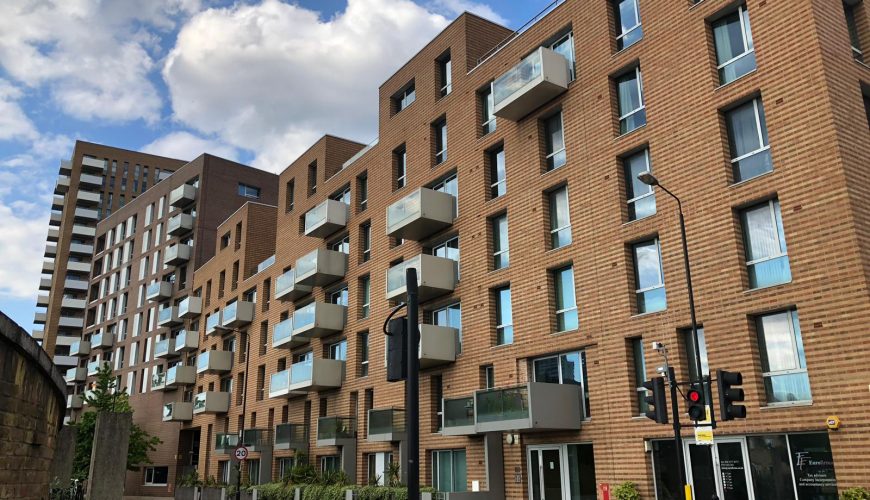
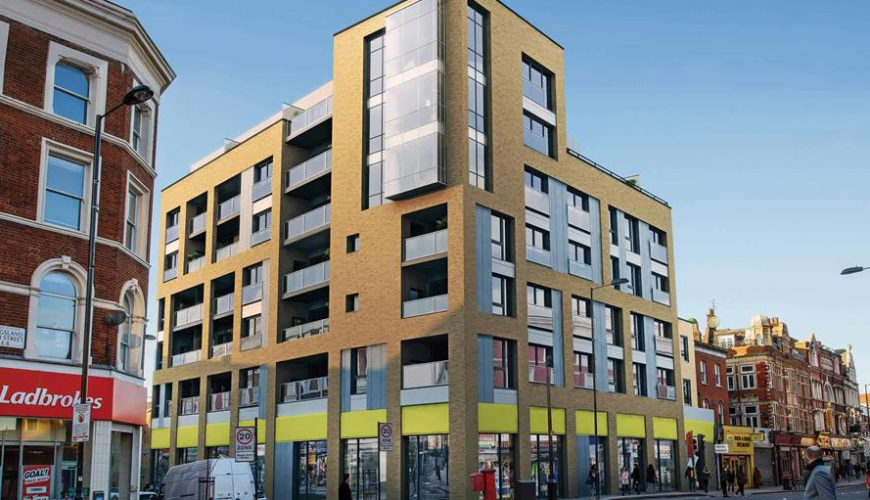
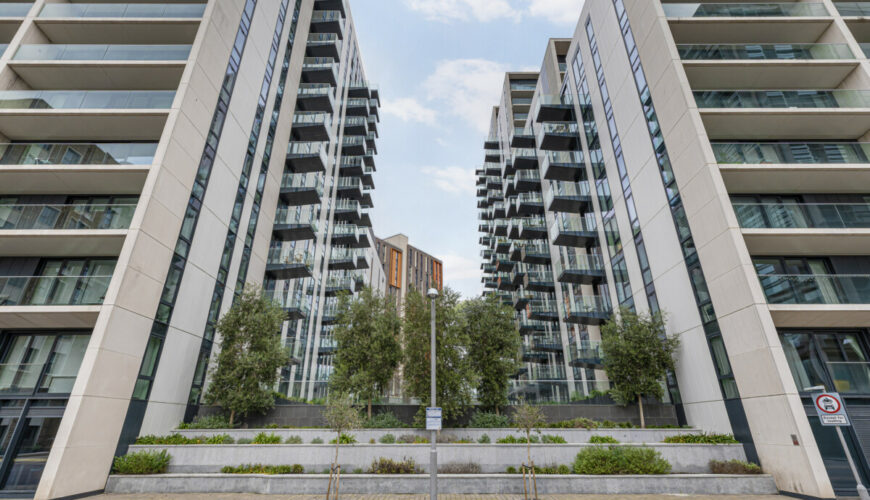
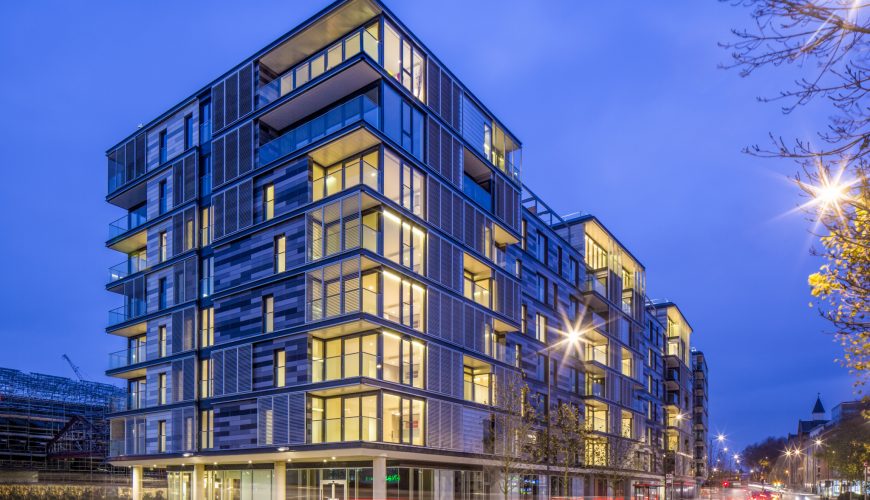
Our third-ranked development in Putney is Langham Square by St James. Located adjacent to East Putney underground station, the development offers one, two and three-bedroom apartments and penthouses, all with private outdoor space. Residents of these apartments also benefit from ground floor retail shops, cafes, a public piazza, and basement car/cycle parking.
Read reviews and details of Langham Square, SW15
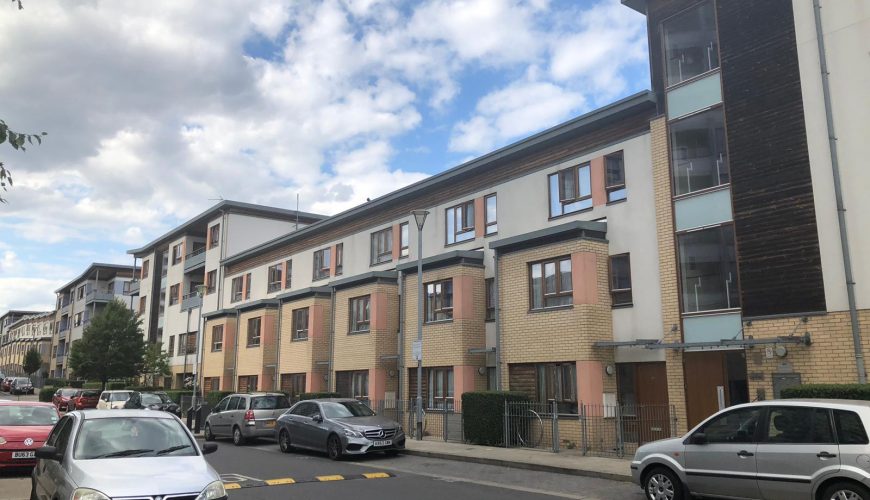
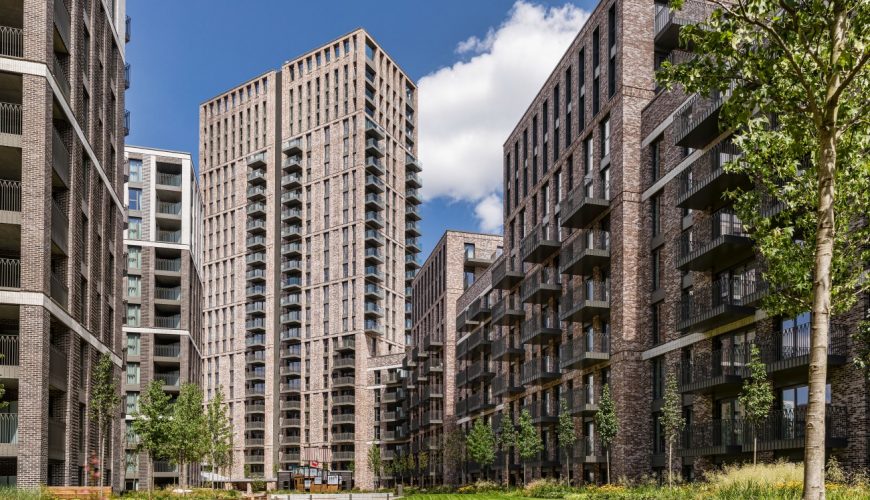
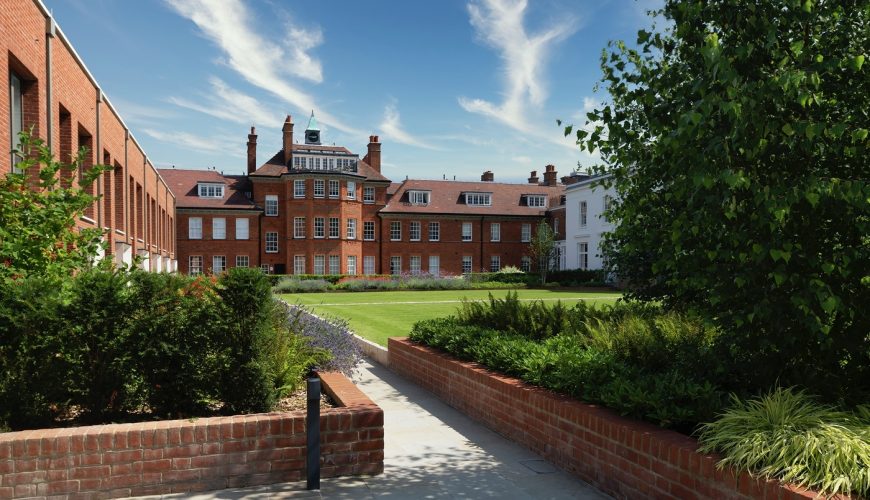
The fourth highest-rated new development in Putney is currently Putney Square – a Barratt London scheme. It was designed by PRC Architects and comprises 215 one, two and three-bedroom apartments. Residents benefit from having private car parking spaces, landscaped gardens and bicycle storage. The development is conveniently located between Putney station and East Putney underground station.
Read reviews and details of Putney Square, SW15
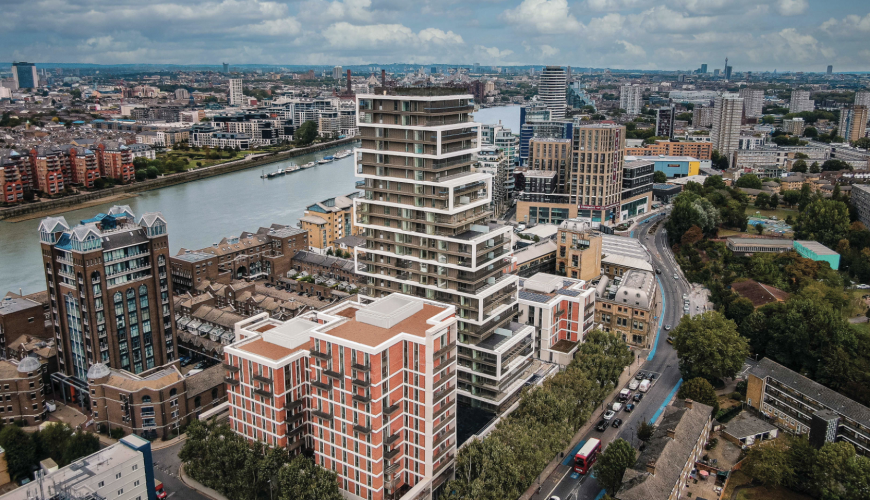
A St. James development for Berkeley, Emerald Square takes the fifth spot on our list. it offers a selection of homes located just off Roehampton Lane, and situated close to Richmond Park and the Roehampton Club. Local bus routes go to nearby Barnes and Barnes Mainline station, and trains from here go directly to Waterloo.
Read reviews and details of Emerald Square, SW15
What is Putney known for?
Putney is perhaps best known for being the starting line for the annual Oxford and Cambridge Boat Race. Many prominent rowing clubs and universities have boat sheds on Putney Embankment. A number of sailing clubs can also be found on this stretch of the river. This makes it an important hub for watersports in the west of the city.
The Oxford Blues in the 2016 Boat Race (image credit: Katie Chan)
Putney Bridge joins Fulham to the north with Putney to the south. The bridge is overlooked by churches on both banks – All Saints Church Fulham and St Mary’s Church Putney. Putney High Street connects with the bridge and leads up past Putney station to Putney Hill.
Is Putney a nice area of London?
Putney is widely considered to be a very desirable part of the capital to live in. The combination of tranquil riverside walks, a very smart high street and a great range of property options make it a must-consider for those who want a more relaxed London lifestyle. The best places to live in Putney can hold their own against the best that the rest of London has to offer.
What is living in Putney like?
Life in Putney runs at a slower pace than in Fulham across the river. This attracts families and young professionals who are drawn to the area’s beautiful properties, peaceful neighbourhoods and easy access to green spaces.
Putney residents can head down to the riverside to enjoy the historic Wandsworth Park. Alternatively, the smaller Leader’s Gardens park is also next to the river and features excellent tennis facilities, a playground and small cafe.
Heading up Putney Hill brings you out onto Putney Heath. This historic 400-acre area of scrub and open land is popular for dog walks and weekend picnics and connects with Wimbledon Common to the south and Richmond Park to the west.
Putney Bridge at dusk, looking across to All Saints Church Fulham
What are the Transport links in Putney like?
Transport connections in Putney include regular South Western Rail services from Putney station. This provides great transport links for commuters into Clapham Junction and London Waterloo.
Underground services on the District Line run from East Putney and Putney Bridge station just over the bridge in Fulham. In addition, weekday peak time riverboat services also depart from Putney Pier on the Embankment. These run through the city into Blackfriars Millennium Pier.
How is the Housing market in Putney performing in 2024?
The Putney housing market is performing well in 2024, as post-pandemic prices normalise. Putney boasts an excellent network of handsome Georgian, Victorian and Edwardian terraced streets. The area is also home to some fine mansion blocks and apartment buildings. These date from the 1930s through to modern luxury developments on the riverside, which are among the best places to live in Putney.
It is pricey to buy property in Putney, however. Rightmove puts the current Putney house price average at £871,000. This places it significantly above the London average of around £686,000. Renting in Putney costs an average of £3,250 PCM, according to the latest data from Home.co.uk (August 2024). Again, this is higher than the London average of £4300 PCM.
Check out our Putney area guide to find out more about the area, or discover London’s 10 highest-rated young professional accommodation options for great rental developments around central London.
Putney is a playground for outdoor enthusiasts. Those who’ve never set foot here will probably know it as the starting point for the annual Cambridge and Oxford boat race. It’s home to a number of rowing clubs, along with a selection of groups dedicated Read more about Putney
HomeViews is the only independent review platform for residential developments in the UK. Prospective buyers and tenants use it to make an informed decision on where to live based on insights from carefully verified resident reviews. Part of Rightmove since February 2024, we’re working with developers, house builders, operators, housing associations and the Government to give residents a voice, recognise high performers and to help improve standards across the industry.
Affectionately dubbed the Garden of England, Kent combines historic charm with colourful coastal towns and an easy commute to the capital. So it’s no wonder that new builds in Kent tempt buyers and renters alike. But how do you narrow down your options? Our verified residents have rated the region’s developers, giving you a flavour of life in our Top 10 before you commit.
New build homes in Kent: Top 10 developments
So, which new homes in Kent match your unique requirements? Let’s find out with our ranking of the best-rated new developments from across this popular south-eastern county.
*PLEASE NOTE these rankings take into account how many reviews a scheme has and how recently those reviews have been submitted, so may not match the overall star ratings shown. Buildings with a larger number of more recent reviews are given a greater weighting to reflect current building performance.
Located in Gillingham, The Kell is a Build to Rent development managed by Way of Life. Reviewed into top place for Kent, it offers 192 new apartments with a mix of one, two or three bedrooms. The development is also pet-friendly, and residents have access to an onsite team with 24/7 CCTV security, secure bike storage, and private balconies with views over Chatham Docks.
Our reviewers describe The Kell as safe and secure, with ‘user-friendly’ facilities and a great location. They also love the waterfront view and being 5 minutes from a grill & bar and a grocery store. The Dockside shopping centre is only 20 minutes on foot.
Read reviews and details of The Kell, ME4
In 2nd place, Holborough Lakes is a new development of two-bedroom apartments and three and four-bedroom homes in rural Kent. Set around a series of freshwater lakes and attractive landscaping, it offers an excellent range of facilities. All homes benefit from spacious open plan living areas and private gardens with lawns and patios.
One resident told us that they love the ‘beautiful design’ and having access to double parking spaces and a gym. They also enjoy spotting wildlife during their lakeside walks and relaxing on a balcony overlooking the lake in the summer.
Read reviews and details of Holborough Lakes, ME6
At number 3, Kingsmead is a development of two to four-bedroom homes in Faversham, Kent. The houses are built to a high standard with modern living in mind. Residents describe the design of the properties as incorporating traditional and modern styles. They also love living in a quiet location a few minutes from town, which is always a hive of activity and offers many pubs and restaurants to choose from.
Read reviews and details of Kingsmead, ME13
Jumping from number 10 to 4 in under a year is another Bellway Homes development. Oakley Park sits in Edenbridge, Kent. Consisting of one and two-bedroom apartments and two to five-bedroom houses, residents here benefit from Edenbridge town centre just a 15 minutes’ walk away and Edenbridge train station five minutes’ walk away.
Read reviews and details of Oakley Park, TN8
Another climber – jumping from 7th to 5th – is Rochester Riverside, a major regeneration project from Countryside and Hyde. Set in a superb riverside setting in the historic town of Rochester, the development has easy access to local amenities and transport links.
Read reviews and details of Rochester Riverside, ME1
In 6th place, Hinxhill Park by Bellway Homes sits in Willesborough, just a 10 minutes’ drive from Ashford and its many amenities. Comprising two, three, four and five-bedroom homes, residents benefit from a variety of transport links ideal for those commuting to Ashford, Folkestone and London.
Read reviews and details of Hinxhill Park, TN24
Taking 7th place is Saxon Fields by Pentland Homes, a new community located in Canterbury. The development offers Art Deco inspired two, three and four-bedroom homes. There are excellent facilities on the doorstep, including shops for everyday necessities, restaurants, a new school, a cricket pitch and children’s play park.
Read reviews and details of Saxon Fields, CT1
A relative newcomer to the list, Watling Place is ranked 8th and is set between Rainham and Sittingbourne. The development offers a collection of new homes in the small historic village of Newington, which boasts a range of two, three, four and five-bedroom homes.
Read reviews and details of Watling Place, ME9
Victory Pier rounds off our list for Kent. Sitting in Gillingham, this development offers a range of apartments located on the waterfront of an expanding community. In addition, residents benefit from access to private residents’ gym & Wi-Fi lounge. As well as this Victory Pier is a mixed residential and retail scheme offering shops on your doorstep. There are also convenient rail connections to Central London.
Read reviews and details of Victory Pier, ME7
Where is Kent?
Tucked away in the south-eastern corner of England, the home county of Kent faces the English Channel along its coastline. You’ll find Greater London to the north-west, with Essex just across the River Thames estuary to the north. East Sussex lies to the south-west and Surrey to the west.
Living in Kent
Renowned for its orchards, hop gardens, strawberries and hazelnuts, and with close links to London, Kent has a well-to-do reputation brushed with romance. The county town is Maidstone, where much of the region’s produce is showcased in its major agricultural market centre. Just 38 miles from London, the town also hosts a range of cultural events and excellent shopping amenities alongside beautiful parks and river cruises.
Head further east to find Canterbury – an ancient pilgrimage site immortalised by Chaucer’s Canterbury Tales. Claiming the oldest cathedral in England, it’s still an important spiritual mecca to this day. And with Roman walls and medieval gateways encircling a cobbled centre and charming timber buildings, the city possesses a magical atmosphere that’s hard to beat.
Kent also has plenty of coastline, providing lovely scenery, entertainment, and impromptu family holidays. In the south, Folkestone combines Victorian architecture with arcades and pavilions, while nearby Dover offers cliff-top walks and excursions to France. Heading north, choose from the seafood haven of Whitstable, the resorts of Margate and Ramsgate, or the historic town of Sandwich, which boasts nature reserves and world-class golf courses.
There’s lots of stunning countryside to explore too, including the Kent Downs AONB and The High Weald AONB. The Vale of Holmesdale is also home to most of the county’s 26 castles.
Education-wise, Kent County Council still favours a selective system based on the eleven-plus, with students given places at either a secondary modern or a grammar school. Meanwhile, the county’s four universities provide a comprehensive range of further education courses and qualifications.
Transport in Kent
With much of Kent lying within the London commuter belt, it benefits from good transport links by road and rail. The Romans connected the area’s ports to the capital, with the A2, B2068, A257, and A28 taking over where they left off.
In addition, the M2 runs from Medway to Faversham and the M20 from Swanley to Folkestone. The M25 also extends into Kent, from Westerham to the Dartford Crossing. If you’re looking to visit France, just catch a ferry over to Calais from Dover or drive to Coquelles via the Eurotunnel from Folkestone.
Just commuting? Catch a high-speed train from Canterbury West station to get to London St Pancras in 55 minutes. From Sevenoaks, you’ll arrive in Charing Cross in only 35 minutes. Maidstone’s rail links can also deliver you to St Pancras or London Victoria in just over an hour.
Kent property prices
Recent data from Rightmove shows the average price for property in Kent was £453,000 in August 2024. Prices in Kent were steady throughout 2023 and remain so in 2024. At £337,000, flats remain great value for money. Meanwhile, terraced houses achieved £408,000, and semi-detached homes £458,000.
A recent market summary by Home.co.uk calculated the average rental price to be around £1,560 per calendar month (PCM). This is higher than the national average, which is about £1,308 (including London). Smaller one-bedroom properties in Kent were let for about £1,000 per month, with five-bedroom homes securing £2,750 PCM on average. Note that these figures are recalculated daily based on current market listings.
Now you have an overview of each development in our Top 10, it’s time to delve a little deeper into what Kent has to offer. Click on our area guide below to read every honest review and learn more about our transparency rating system.
Kent is one of the most popular counties in England, with a population of 1.8 million people. It has some really beautiful scenery and many great amenities for families that are looking to buy their first home or move up into a nicer place. Read more about Kent
HomeViews provides verified resident reviews of the UK’s housing developments. We’re working with developers, house builders, operators, housing associations and the Government to recognise high performers and help improve standards in the built environment.
The term ‘fixtures and fittings’ is used frequently when talking about property. But what exactly do these terms cover? Where do they fit into the property negotiation process and who is responsible for what? Our simple guide explains exactly what these terms mean – whether you’re buying, selling or renting.
What are fixtures and fittings?
Fixtures and fittings are types of assets that come with a building. Fixtures are assets that are attached to the building or land, while fittings are assets that are not permanently attached to the building or land.
What is the difference between fixtures and fittings?
The difference between fixtures and fittings is whether or not they are physically attached to the property or the land it occupies. Fixtures are things that are physically ‘fixed’ to the property and can’t be easily moved or lifted. Fittings are either free-standing (like most household furniture) or loosely attached with nails or screws (like pictures, hooks, etc.).
An easy way to remember this? Imagine tipping the property on its side. Anything that stays in place is a fixture. Anything that falls out is a fitting!
What are examples of fixtures?
Again, fixtures are classified as something that’s bolted directly onto the property but isn’t structural. Common examples of fixtures include:
Boilers and heating systems
Built-in wardrobes and storage features
Integral kitchen cabinets and cupboards
Built-in white goods
Bathroom suite items including baths, showers, sinks and built-in storage
Carpets and flooring
Doors
What are examples of fittings?
After the fixtures, fittings make up the rest of the items you would typically see in a property. Examples of fittings include:
All free-standing furniture, regardless of size
Free-standing white goods – fridges, washing machines, etc
Decorative items – lampshades, pictures, mirrors, ornaments and artworks
Shelving, curtains and curtain rails (as they are easily removable)
Garden furniture (as long as it’s not bolted on/down)
How do you negotiate fixtures and fittings?
When negotiating fixtures and fittings it’s important to remember that there isn’t a standard legal template in UK law for what’s left behind by the seller or landlord. For this reason, clarity is essential.
To negotiate fixtures and fittings, both parties should be upfront about what they want to stay in the property, and reasonable in their requests. This minimises the chances that the new buyer or renter will be disappointed when the time comes to move in.
Always clarify any sticking points before the contract is signed. You should also make sure any items of particular interest are mentioned by name.
Fixtures and fittings can often be a useful part of the sale negotiations for a property. For example, if you’re trying to buy below the asking price and the seller won’t agree to your offer. You might ask that you pay full price but that some of the more valuable fittings (white goods, larger furniture, etc) are included.
What is included in fixtures and fittings as standard?
There is no specific law in the UK that outlines which fixtures and fittings should be left when a house is sold or rented. However, the property’s seller or landlord must make it clear what will be left behind. This is why it’s good practice to create in inventory as part of the sales contract or lease.
If there is no inventory, then it is generally assumed that the fixtures will stay but all fittings will be removed. Generally, it is better for both parties if anything important to either side is clarified in writing as part of the contract.
Who is responsible for replacing fixtures and fittings during a lease?
With some exceptions, the landlord is responsible for maintaining and repairing/replacing all fixtures throughout an agreed tenancy. Crucially, the landlord must keep all fixtures regarding the supply of water, electricity, heating and gas in proper working order. This is part of guaranteeing the tenant’s rights to live in a property that’s safe and in a good state of repair.
When it comes to fittings, this is much more of a matter of discussion and compromise. Generally speaking, tenants are expected to replace the more minor fittings – hooks, plugs, curtain rails, etc – that are damaged through normal wear and tear. The landlord might agree to replace larger fittings like sofas or white goods but may ask the tenant to buy their own replacement that they can later take with them at the end of the lease.
One crucial exception: Tenants are responsible for any fixture/fitting damages they cause deliberately or through their own negligence.
Who owns fixtures and fittings at the end of a lease?
All fittings and fixtures that were present in the property when the tenant moved in are still owned by the landlord at the end of the lease. Tenants are obliged to leave the property ‘in the state they found it’, so they cannot take fittings with them. However, it’s not uncommon for landlords to gift or sell various fittings to tenants, if it’s convenient for both parties.
Can tenants remove fixtures?
Tenants cannot remove fixtures from their leased property unless they installed that fixture during their tenancy. This generally only relates to long-term property lets where the tenant has made changes with the landlord’s approval. Common examples of this include adding integral storage or office spaces.
These are legally referred to as ‘tenant improvements’, which means they belong to the tenant, not the landlord. However, this also means that the tenant must pay for any necessary repairs on those improvements.
Are integrated appliances fixtures or fittings?
Generally, kitchen and utility appliances aren’t considered to be fixtures, as they can easily be removed from a property. However, integrated appliances such as built-in hobs, ovens, fridges/freezers and dishwashers tend to be classed as fixtures, and included in any sale price. If you’re unsure, check with your estate agent, who should be able to confirm either way for you.
Are windows fixtures?
As a permanent, fixed feature of the property, windows definitely fall into the definition of a fixture. As a general rule, anything that’s screwed, bolted or permanently attached to the property by another means is considered to be a fixture, while items the seller could reasonably take with them when they move out would be a fitting.
Is a TV a fixture or a fitting?
A TV is classed as a fitting, even if it is bolted or otherwise attached to a wall. It’s not seen as an integral part of the property, like built-in cupboards or white goods are. TVs are inherently easier to remove, so they fall into the fittings category.
Is a toilet a fixture or a fitting?
A toilet is a fixture of a property, since it is bolted to the floor and plumbed into the piping. Practically everything in a bathroom is a fixture. Baths, showers, toilets, sinks, medicine cabinets – all fixtures.
Are carpets fixtures or fittings?
Carpets are less straightforward – generally they are considered fixtures but not always. There are homeowners who will negotiate to take carpets with them to their new property, if they are sufficiently new and valuable. In this case, they would refer to the carpets as ‘flooring’ rather than ‘fixtures’.
However, this kind of negotiation tactic is fairly rare. Most of the time, carpets will be included with the sale of the property, without any fuss.
Fixtures and fittings: Make things clear, clean and simple
Fixtures and fittings can become a major headache if their ownership and responsibility aren’t made clear at the start of a contract. Any miscommunication can lead to disputes later on. This could damage the relationship between buyer and seller, or landlord and tenant.
So, before you sign on the dotted line, make sure all the following statements apply to your situation:
Both parties know which fixtures and fittings will be left in the property when the sale or lease is confirmed.
Both parties know exactly which fixtures and fittings they are responsible for repairing or replacing.
An inventory will be attached to the sale or lease contract. Alternatively, both parties agree not to have an inventory.
Both parties have either a written or verbal understanding of how to handle any fittings-related issues not covered in the contract.
Remember – clarity, openness and fairness is the best approach to making sure you get what you want. The value of a property’s fixtures and fittings can amount to tens of thousands of pounds. For this reason, it’s in everyone’s best interests to work out the details before the contract is signed.
If you’re looking to buy, sell or rent, our guides can give you a better idea of how to prepare. From estimating moving costs, to explaining the legal details of the sales process, we’ve got you covered.
HomeViews is the only independent review platform for residential developments in the UK. Prospective buyers and tenants use it to make an informed decision on where to live based on insights from carefully verified resident reviews. Part of Rightmove since February 2024, we’re working with developers, house builders, operators, housing associations and the Government to give residents a voice, recognise high performers and to help improve standards across the industry.

Birmingham has been the scene of some of the most intensive regeneration efforts in the UK in recent years. Since the City Centre Masterplan was launched in September 2010, dilapidated parts of the industrial core of the city have already been transformed. In response to this and other factors, house prices in and around this Midlands hub have shown healthy growth. A recent report by JLL also forecasted that Birmingham property prices would bounce back quicker than in any other city in the coming years.
So, which areas of Birmingham should be on the radar of property investors? We take a look at the centre’s key regeneration hotspots, as well as some in more peripheral areas, to discover some of Birmingham’s most promising residential investment options.
Birmingham’s quarters
Birmingham has a number of different ‘quarters’ that describe different areas of the city. However, slightly confusingly, the Council’s Masterplan splits the central areas in seven ‘quarters’ that largely do not correspond to the more traditional areas.
The Jewellery Quarter, Chinese Quarter, Gay Village, Irish Quarter and Creative Quarter are well-known to locals. However, the Council divided the centre of Birmingham into its own larger Quarters that cluster around the central ‘City Core’.
These Quarters consist of Digbeth, Southside & Highgate, the Jewellery Quarter, St. George & St. Chad, Eastside, and Westside & Ladywood. We take a look at some of the smaller districts within these Quarters to discover some key development hotspots for property investment in Birmingham.
Westside
Westside is a fashionable central neighbourhood that benefits from the Birmingham Canal Old Line running through it. Historic warehouses have been converted into luxury flats and new developments tend to blend into their surroundings with a similar aesthetic. Its varied bars and restaurants join performance spaces like the Crescent Theatre and Arena Birmingham to create a buzzy and contemporary cultural zone.
The Council’s plans include extending the Central Core area out into bordering areas. Westside plans include the redevelopment of Arena Central, Baskerville Wharf and Paradise Circus. The new Library of Birmingham provides a strong community hub, along with Centenary Square and the Town Hall.
A cyclist rides past the new Library of Birmingham
New Street Station
New Street Station was reopened in 2015 after major modernisation. The UK’s busiest station outside London, the New Street complex also now includes the Grand Central shopping centre and John Lewis department store.
Train stations are becoming key drivers of inner city regeneration and destinations in themselves. With a capacity of 55 million passengers per year New Street has plenty of room for growth, and has successfully revived this central district.
Of course, with HS2 set to open between London and Birmingham in 2029, this will hopefully inject further interest (and investment capital) into the area.
Snow Hill District
The area around Snow Hill station is an area of major potential growth. The station itself is on the brink of a major overhaul that looks set to attract more traffic and investment into the district.
In early 2023, Ballymore completed the Three Snowhill office building – the largest single office development in the city. The company also enabled the extension of the Metro line and improved access for pedestrians to the historic Jewellery and Gun Quarters.
Eastside
The focus of plans to expand the core of the city eastwards, Eastside has undergone major regeneration over the past two decades. This modernisation continues, with Birmingham developer Court Collaboration recently winning planning permission for the tallest building in the city.
The residential complex of two buildings – one 51 and one 15 storeys – will provide 667 new homes alongside retail and leisure spaces. Located on the corner of Jennens Road and James Watt Queensway, the 525 ft scheme will include a gym, sky lounge and cinema.
Southern Gateway
A £1 billion redevelopment area, Southern Gateway aims to expand the city’s core southwards into the Southside and Highgate quarter. Southside brings a vibrant entertainment and culinary culture, as well as a focal point for the city’s Chinese and LGBT communities.
Alongside Southside, the exciting new £1.5 billion Smithfield area regeneration is underway. The first Smithfield Market phase of this is due to complete in 2025. Development Partner Lendlease chose David Kohn Architects to design the mixed-use market space, which is set to include 2,000 new homes.
Perry Bar
This suburb to the north of central Birmingham is the location for substantial redevelopment. The goal is to build around 5,000 new homes in total, with £500 million of investment being poured into the area.
Perry Bar station is set for a major overhaul, while infrastructure changes will improve the area’s accessibility for walking, cycling and public transport. The area played a key part in the 2022 Commonwealth Games when they were held in the city.
Port Loop
Built within a loop of the Birmingham Canal Old Line, Port Loop is a new island community only 15 minutes’ walk from the city centre. Residents will also enjoy easy access to the Jewellery Quarter and Westside district, as well as a new swimming pool and leisure centre on their doorstep.
New tow paths will help to connect Port Loop with surrounding areas and provide walkers and cyclists with new routes to explore. Edgbaston Reservoir provides a tranquil spot just to the north of the new development, while the shops, bars and restaurants of Brindleyplace are only 15 minutes away.
Part of the Birmingham Canal Old Line running beneath Broad Street. The canal is a key driver for investment in Birmingham’s central areas
Soho Loop
Another canalside development, Soho Wharf secured planning permission in January 2020 for 750 new homes in the derelict Soho Loop section of the Mainline Canal. Join venture partners Galliard Homes and Apsley House Capital will create 650 apartments and 102 townhouses, alongside new garden and commercial spaces.
The scheme forms part of the Greater Icknield Masterplan. This aims to transform brownfield sites to the west of the city centre, attracting fresh talent and investment into Birmingham.
Digbeth
This industrial heartland on the edge of Birmingham city centre is the focus of a great deal of investment, including Birmingham Smithfield. This ambitious regeneration project is set to transform large parts of the area into mixed-use office and commercial space, residential units and public space. Digbeth is also set to be the site of a major new television studios, in what’s hoped will be the first of many investments into this area.
Property investment: Birmingham’s highest-rated new homes to buy
The developments below are the best new residential developments in Birmingham, according to resident ratings on HomeViews. Explore the list for popular options, or head over to our Area Guide to Birmingham for a more detailed view of the city’s residential schemes.
Park Central is consistently at the top of our reviewer rankings for Birmingham property that’s available to buy. A Crest Nicholson development comprising of 1,300 apartments dispersed upon 61 acres, Park Central represents an excellent property investment. Winner of Property Week’s ‘The Placemaking Award’ in 2016, the development is located just 15-minutes’ walk from Birmingham City Centre and provides a range of one, two and three-bedroom apartments.
Read reviews and details of Park Central, B15
Jupiter Apartments is a residential development by the developer Charles Church. It is located on Ryland Street and is only a 16-minute walk away from Five Ways train station, which has links to West Midland Trains. The Birmingham Canal is also only a short stroll away. Read reviews and details of Jupiter Apartments, B16
Located in the centre of Birmingham, Liberty Place features a collection of 244 studio, one, two and three-bedroom apartments. Residents can look forward to being located in the premier waterside quarter, only a 20-minute walk away from Birmingham New Street station. Read reviews and details of Liberty Place, B16
Located near the Jewellery Quarter and the central business district, Regency Place is a SevenCapital development which provides 82 one and two bedroom apartments over seven floors. Residents can enjoy the close proximity of Arena Birmingham and Symphony Hall. Read reviews and details of Regency Place, B1
If you’re interested in finding out more about this rapidly developing city, read our area guide below. From there, you can find out more about the most popular areas to live in the city, as well as reviews of Birmingham’s best new build homes.
Birmingham is located in the West Midlands in the heart of England. Often described as England’s second city it is a hub of business, tourism and importantly – is home to Cadburys dairy chocolate. Our Birmingham Area Guide looks at the residential regions of Read more about Birmingham
HomeViews is the only independent review platform for residential developments in the UK. Prospective buyers and tenants use it to make an informed decision on where to live based on insights from carefully verified resident reviews. Part of Rightmove since February 2024, we’re working with developers, house builders, operators, housing associations and the Government to give residents a voice, recognise high performers and to help improve standards across the industry.
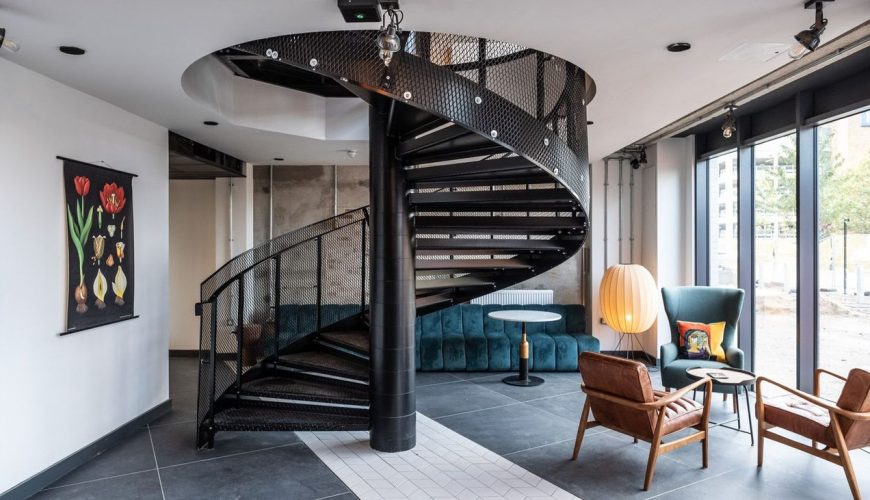
Where are the best places to live in Manchester? Let’s ask the residents! Our reviews come from tenants and owners living in Greater Manchester. They’ve rated their developments on factors like location and facilities to reveal Manchester’s 20 best places to live in 2022. Whether you’re interested in stylish flats in the city centre or luxury apartments in Manchester’s suburbs, this list of the best new developments is essential reading.
20 best places to live in Manchester
The following list is based solely on the reviews of real residents living in Manchester. Their scores across five categories generate an overall ranking, which is then averaged out over all the reviews received for that development. This way, you get a transparent, clear and concise overview of the best places to live in Manchester.
*PLEASE NOTE these rankings take into account how recently reviews have been submitted, so may not match the overall star ratings shown. More recent reviews are given a greater weighting to reflect current building performance.
Smashing straight in at the top of the pile in Manchester is Eda. This development is certianly making waves in the city, and comes with almost perfect reviews so far from verified reviewers on HomeViews. A rental only development, the apartments all come fully-furnished, with free WiFi, private dining and stunning views of Manchester’s skyline.
Eda sits at the top of Erie Dock in the heart of Salford Quays. With paddle boarders, kayakers and an occasional brave swimmer, this is where the city meets the open water. As you follow the dock, you’ll find The Lowry Theatre, Imperial War Museum and Media City UK. And with shops, restaurants, cafes and bars within easy walking distance (and a tram stop right outside the door), you’ll be well connected to Salford, Manchester and beyond. You can get from sofa to city in just 15 minutes.
Read reviews and details of Eda, M50
Vox takes second place in Manchester, enjoying near perfect ratings from its residents. It sits on Trentham Street, located just off the A56, making Vox well connected as it offers a short bus ride into the city centre. The Vox offers a collection of one, two and three-bed apartments and residents benefit from 50 under-building car parking spaces and storage for over 280 bikes, which are monitored by CCTV and stored behind fob-operated doors. Other facilities include a gym, running track, studio, roof terrace and residents’ lounge.
Read reviews and details of Vox, M15
Chapel Wharf by Dandara Living sits in the heart of Manchester. Comprising of a range of studios to 3-bed apartments, residents benefit from a pet friendly policy, an onsite gym as well as car/bike parking. In addition, there is a courtyard garden, a free 3,789sqft gym equipped with the latest range of cardio and functional […] Read reviews and details of Chapel Wharf, M3
In fourth place, The Trilogy is located in the heart of Castlefield with access to a variety of transport links. Deansgate is only a three-minute journey on the tram, whilst Cornbrook Metrolink Station is a three-minute walk. In addition, MediaCityUK is just a 12-minute commute. The development comprises 232 pet-friendly one, two and three-bedroom apartments. Residents have access to a wide range of facilities, including a fully equipped gym as well as a landscaped communal garden. Likewise, the building provides a 24-hour on-site concierge service.
Read reviews and details of The Trilogy, M15
Now managed by JLL, Duet is adjacent to the bustling MediaCityUK on the waterfront in Salford Quays. There are wide range of local amenities, including 15 bars/restaurants, shopping outlets, leisure facilities, a cinema, a theatre, and a nursery. The development comprises 270 pet-friendly one, two and three-bedroom apartments to rent. In addition, the building also […] Read reviews and details of Duet MediaCityUK, M50
The Green Rooms, managed by AmroLiving, sits near Media City in Manchester. It offers a range of one to three-bedroom apartments for rent. Additionally, the development benefits from being pet friendly, waterside views, a residents’ gym and bike storage. The Green Rooms is also just just a few minutes walk from a wide variety of […] Read reviews and details of The Green Rooms MediaCityUK, M50
Seventh-placed Polin is another recent entry on our list. The development from Native offers 1, 2 and 3-bedroom apartments to rent in a community of 144 homes. Residents benefit from flexibility, social spaces and rooftop views. Additionally, residents can enjoy a communal atrium garden, glass atrium and social lounge, and a bookable kitchen. Bordering Ancoats, Poplin is just a couple of minutes’ walk to the Shudehill interchange, and five minutes to Victoria Station. It’s also a short walk to spots such as Angel Meadow, Cutting Room Square and New Islington Marina – or onwards to any of the shops, bars, restaurants and supermarkets of the Northern Quarter.
Read reviews and details of Poplin, M4
Taking eighth is Angel Gardens, by Moda Living, which sits in the heart of Manchester within the NOMA innovation district. It features a total of 466 interior designed apartments to rent with a mix of sizes, ranging from studios to three beds. In addition, it offers no deposit and is pet-friendly. Likewise, residents benefit from 250MBPS WiFi, Samsung 50″ inch smart TV included in their rent. Plus, onsite amenities such as: a rooftop sports pitch, rooftop terrace, residents’ gym, sky lounge, private dining room, media room and atrium. Pay your rent, book community events or chat to your neighbours with the MyModa app. A free health check when you move in, wellbeing workshops and classes with hero, Moda’s health and wellbeing partner.
Read reviews and details of Angel Gardens, M4
In ninth, and situated in Deansgate Square, West Tower Residences is a Build to Rent development over two towers (North and West) featuring a range of one, two and three-bedroom apartments. Residents have access to a wide range of shared amenities, including 20-metre indoor swimming pool, sauna, gym, yoga and dance studio, spinning room and amazing private dining facilities (including hire of a private chef). The development is only a three-minute walk from both Castlefield and Deansgate stations.
Read reviews and details of The Residences Manchester, M15
10th place goes to Kampus. Located in the Manchester Piccadilly district, Kampus is Manchester’s garden neighbourhood. In the centre of the city. By the canal, near the station – it’s literally minutes from everything. With secret streets, gardens and terraces, and independent food and drink, it’s a great location no matter what you’re into.
With 1 and 2 bedroom apartments, across 5 beautiful, individual buildings – available to rent from 2021 – an on-site team on hand whenever you need them 24/7. In addition, Kampus is pet friendly (with dog walking), has super-fast broadband included. Likewise, there is a gym, yoga terrace, cinema and a lounge in which to work (or play).
Read reviews and details of Kampus, M1
Formerly a 19th century shoemaker’s warehouse, The James Manchester has been carefully converted to offer luxury apartments, providing residents with generous spaces to recharge mind and body in a prime central location known for being a creative and culture hub. Situated in the lively Manchester’s Northern Quarter, renowned for its blend of office spaces, shops, […] Read reviews and details of The James Manchester, M4
Built on the site of a former cotton mill, Coral Mill is a rental-only development by Simple Life in Newhey. Also, its close to Rochdale’s many shops and leisure facilities, with the town centre perfect for socialising. In addition, Manchester is just 10 miles away. Read reviews and details of Simple Life at Coral Mill, OL16
In 13th place in Manchester is Crown Street, which forms part of the new neighbourhood on Great Jackson Street in Manchester. The apartments are contemporary and spacious and residents can enjoy exceptional amenities such as the 20m swimming pool, which is located high above the city on the 44th floor.
Read reviews and details of Crown Street, M15
The East Hollinsfield development by Taylor Wimpey is located at Hollin Lane, Middleton, M24 6DH.The development offers various features, including Venetian blinds in the lounge, kitchen, and all 3 bedrooms, a variety of kitchen options with integrated appliances, upgraded composite sinks, and spotlights. The WC, bathroom, and en-suite all include chrome trim finishes, with the […] Read reviews and details of East Hollinsfield, M24
Located only a 5-minute stroll from Castlefield district of Manchester City Centre, Wilburn Basin features a variety of apartments across four district blocks. Residents have access to a wide range of facilities and amenities, including a gym, cinema, residents’ lounge and meeting rooms as well as a 24 hour concierge service. Read reviews and details of Wilburn Basin, M5
In 16th place, Millfield is a new development of two, three and four-bedroom homes which is ideally situated for local schools, shops and supermarkets. The development is a short commute from Manchester City Centre.
Read reviews and details of Millfield, M24
Sitting in 17th place, we have Anco&co. Situated in the creative community Ancoats, Anco&co offers up 143 apartments designed by Bowler James Brindley. It offers flexible renting and a 24/7 club concierge alongside a range of onsite facilities. These include a private dining suite and rooftop terrace as well as an onsite co-working space with Anco&co’s very own café-meets-cocktail-bar, Mule. Likewise, the development is pet-friendly and apartments come fully furnished with voice controlled tech and intuitive heating. In addition, the development offers secure bike storage and 100mb/s unlimited broadband at no extra cost.
Read reviews and details of Anco&co, M4
Bridgewater Park, previously managed by Allsop Single Family Housing until 1st April 2024, sits in Patricroft on the outskirts of Salford and Manchester and offers a canal-side setting. There are one hundred and forty two homes on the site comprising of 1 & 2 bedroom apartments and 2, 3 & 4 bedroom houses. As well […] Read reviews and details of Bridgewater Park, M30
Taking 19th place in our list, Smiths Yard, by Manchester Life, is situated in the heart of Ancoats. Comprising 185 one, two and three-bed rental only apartments over 8 storeys, the development also benefits from a resident’s club room, courtyard, car parking and 24 hour concierge. As well as this, residents have access to gym facilities in the nearby Sawmill Court development.
Read reviews and details of Smiths Yard, M4
What’s happening with Manchester’s property market?
The city’s property market has been booming in recent years, prompting billions of pounds to pour into property developments across Manchester. Even so, housebuilders and developers are still struggling to keep up with demand and average prices continue to rise. This brings the average price of a property in Manchester up to £300,302 for the past year, while the average monthly rent for a three-bedroom property in the city stands at £1,415 in July 2024.
Manchester is one of the UK’s most visited cities, after London and Edinburgh. It also has the busiest airport outside London. It’s celebrated for its architecture, sports clubs and venues, cultural heritage and scientific achievements. As a result, the city is often described as the UK’s second city, despite its status as the fifth largest.
Manchester has even acquired the status of UNESCO City of Literature. This is thanks to its connections with authors such as Elizabeth Gaskell, Friedrich Engels and, more recently, Carol Ann Duffy.
What’s it like Living in Manchester?
The three universities in Manchester attract thousands of students every year. This is a significant source of demand for student flats in Manchester. A large number of new developments offer affordable studio flats to rent and buy, to cater for the constant flow of student tenants.
Manchester nightlife is also a major factor in making it a great place to live for students and long-term residents alike. The city’s ‘Madchester’ clubbing scene spawned a number of influential bands and artists throughout the 1980s. Oasis and BritPop then kept the city in the headlines during the 90s.
Manchester City or United?
Sports fans living in Manchester are genuinely spoilt for choice. Premier League giants and fierce rivals Manchester United and Manchester City both boast world-class players and stadiums. The city’s National Cycling Centre is the home of British Cycling, as well as Team Sky, while Old Trafford Cricket Ground hosted The Ashes back in 2023.
Is Manchester expensive to live in?
Despite being a major city, Manchester is still a highly affordable place to live. Even though Manchester house prices have grown more than anywhere in England and Wales since the year 2000, they remain very competitive compared to the UK national average.
As for regular costs of living, Manchester is blessed with the generally lower costs that the north of England enjoys compared to the south.
Is Manchester cheaper than London?
Happily (if you’re planning to move here) Manchester is a significantly cheaper place to live than London. While some living costs are roughly similar, there are a few categories where the northern city really shines.
For example, groceries in Manchester are about 3% cheaper than London, while eating out is 19% cheaper. The really big saver is rent. Average rental costs in Manchester are a whopping 53% lower than in London. As a major monthly cost for students, young professionals and families, this is a huge savings factor to consider.
What are the main pros of living in Manchester?
It’s the safest city to live in the UK
Manchester is a students’ paradise.
It has culture, history and big venue entertainment opportunities galore
The property market is buoyant but competitive. Whatever kind of home you’re looking for, you’ll find it here.
What do you think of our ranking of the best place to live in Manchester? If you’re interested in finding out more about Manchester new builds, and discovering more of what the city has to offer, check out our area guide by clicking the link below.
HomeViews collects verified resident reviews for new build homes across the UK. The rankings below are calculated based on the overall star ratings for each development. However, the HomeViews Transparency Rating also affects a development’s ranking, as this indicates how recent its reviews are Read more about Greater Manchester
HomeViews is the only independent review platform for residential developments in the UK. Prospective buyers and tenants use it to make an informed decision on where to live based on insights from carefully verified resident reviews. Part of Rightmove since February 2024, we’re working with developers, house builders, operators, housing associations and the Government to give residents a voice, recognise high performers and to help improve standards across the industry.

Thinking about using a Property Finder? Want to find out more? This simple guide answers all your most frequently asked questions. From “What is a Property Finder?”, right through to questions about fees, terms and even how to become a property finder yourself, these FAQs give you the answers you need.
What is a Property Finder?
A Property Finder helps buyers to find the right property for them and negotiate the best price. A Property Finder may be an individual specialist or a company providing property finding services.
What does a property finder do?
A Property Finder is employed by you, the property buyer, to help with your purchase. The Property Finder is paid to find the best property for you and to negotiate the best price.
How do property finders work?
Property finders specialise in searching for the ideal property for their specific client. All you have to do is tell them what you want from your perfect home or business location, and they will go and find it for you. They use their extensive network of local contacts and knowledge to find the right property, even those that haven’t been put on the market.
Property finders take care of sourcing and negotiating for you
Why use a property finder?
The main benefit of using a Property Finder is to have someone take care of the sourcing and negotiating process for you. They will act in your best interests as the buyer, using their expertise to find the best properties and negotiate the best price.
Ideally, a Property Finder should be able to connect you with properties that are not on the open market. This is often the case with prime properties, which may not be advertised in the same way as less exclusive properties. Your Property Finder should have an extensive network of contacts so they can connect you with the best opportunities.
How do I pick the right Property Finder?
To pick the right Property Finder, you must know that their expertise matches your needs as a buyer. For example, they must demonstrate a strong knowledge of the geographical area where you are looking to buy. Property Finders should also be members of The Property Ombudsman and other professional bodies such as Propertymark.
A good Property Finder will clarify the level of service they will provide. This will include how often they update you on the process, and the fees involved. They should also be able to demonstrate recent successes with clients similar to you and your requirements.
What’s the difference between a Property Finder and an estate agent?
The main difference between a Property Finder and an estate agent is that the Property Finder only works for you, the buyer. Estate agents are employed by the sellers and act in their interests.
When negotiating a price, for example, it is in the interests of an estate agent to achieve the highest price possible for their client, the seller. A Property Finder will work to negotiate the best possible price for their client, the buyer.
Is a Property Finder the same as Buyer Brokerage?
Buyer Brokerage is broadly the same as the services provided by a Property Finder. Other terms used include Buyer Agency or Buying Agent.
Property finders make money from retainers, commission or fixed fees
How much does a Property Finder charge?
A Property Finder will often charge a retainer to cover the process of searching for your property. They will also usually charge a percentage of the final price of the property, or a share of the amount they have saved you on the purchase price. They may also charge a fixed upfront fee for services.
How does a Property Finder make money?
Property Finders make money by charging clients for their services in finding a property and negotiating its purchase. They may do this via a fixed fee, a fee based on the final property price and/or a fee based on money saved on the property price.
What is a Property Finder fee?
A Property Finder fee is the money charged by a Property Finder for them to find and negotiate the purchase of your property. See above for examples of fee models.
How much is a Property Finder’s fee?
A finder’s fee may vary depending on the Property Finder and the services they offer. Typically, though, a finder’s fee is between 1% and 2.5% of the purchase price of the property. This means you’ll need to factor this extra cost into your plans when calculating your budget.
What are the benefits of using a Property Finder?
A Property Finder can potentially save you time and money in your property search. They’ll be working solely on your behalf to find a suitable property for your needs, rather than working on behalf of the seller to get the best price for their property. Property Finders may also specialise in specific markets or areas, so they can lend their expertise to your search, particularly if you’re moving to a new area.
Are there any drawbacks to using a Property Finder?
Property finders can be useful but there are drawbacks to using one
A Property Finder can be an extremely useful service when you’re looking to buy in a competitive market, or if you’re struggling to find a suitable property on your own. There are, however, some drawbacks to using one. The finder’s fee adds another payment on top of the already significant costs of moving house, so you’ll want to factor this into your budget. You may also wish to carry out some due diligence on your Property Finder, or use a Finder who comes personally recommended by someone you trust. Additionally, it’s important to be wary of Property Finders asking for a portion of their fees up front, before they provide any service to you.
What is Buyer Advocacy?
Buyer Advocacy is another term for Property Finder services. These services may also be called Buyer Agency or Buyer Brokerage.
How do I become a UK Property Finder?
In order to become a Property Finder in the UK, you must be a member of a property ombudsman (e.g. The Property Ombudsman). You also need to register with the Information Commissioner’s Office (ICO) and a professional body such as the National Landlords Association (NLA).
Once you have that legal framework in place you need to have a network of contacts in the property industry and among investors. You’ll also need strong negotiation skills, sound market knowledge and the ability to work with numbers.
What is the Property Finder Group?
The Property Finder Group is a company that specialises in off-market properties in North Africa and the Middle East. The company was bought by Zoopla in 2009.
Which is the best property search website?
The two biggest property search websites in the UK are Rightmove and Zoopla. Both are aggregators. This means they collect, or ‘aggregate, property listing from a wide range of different sources. Between them, these two sites cover a sizeable majority of all UK property listings.
Property finders may have the contacts and knowledge to find you your ideal home
Is it worth using a property finder?
It can be worth using a Property Finder, if you have very specific needs for your desired property purchase. If you can’t find what you’re looking for through local estate agents and the main online property websites, then a dedicated property finder may be the key. They may have the necessary contacts and knowledge to find the perfect property.
However, do be aware that property finder fees can be quite steep. This is because they offer specialist services based on local knowledge and connections. If you are going to go down this route, make sure you fully understand the fee structure of your chosen property finder.
Where do most UK property finders operate?
Property finders offer their services all over the UK, but many individual agents tend to concentrate their efforts in a specific city or region. This is so they can really dig deep into the area and get to know everything about its property market and upcoming prospects.
Broadly, the UK’s bigger, wealthier cities and more desirable countryside areas attract more Property Finders. This is because they tend to follow the big money, as not everyone can afford to shell out the extra 1%-2.5% on top of stamp duty, legal fees, etc.
Can I get Property Finder fees back if the purchase falls through?
While it’s technically possible that a Property Finder will return some or all of their fees to you if an agreed property purchase falls through, don’t count on it. Most Property Finders very clearly lay out their terms of service, and it should be made abundantly clear which fees are refundable and which aren’t. If the deal falls through, you won’t have to pay the 1-2.5% completion fee, but you’ll likely be on the hook for any other services that the Property Finder has already carried out.
Of course, if there is some negligence or bad faith on the part of the Property Finder, this may prompt them to return any fees in the event of a failed purchase. Property Finders rely heavily on their reputation for business enquires and ongoing relationships, so they will want to avoid any bad press.
HomeViews is the only independent review platform for residential developments in the UK. Prospective buyers and tenants use it to make an informed decision on where to live based on insights from carefully verified resident reviews. Part of Rightmove since February 2024, we’re working with developers, house builders, operators, housing associations and the Government to give residents a voice, recognise high performers and to help improve standards across the industry.

Period homes are as popular as ever with buyers and renters in the UK. However, the differences between eras can be subtle, so it’s not always easy to place a property within a certain age. If you own a historic home or are on the hunt for one, then it’s important to know the difference. We take a look at the most common eras for British period homes – Georgian, Victorian and Edwardian – and help you tell which is which.
How do I know if my house is a period home?
You can tell if your house is a period home by a number of distinguishing features. Period homes belong to specific types of architectural style that come from different parts of UK history. Generally, if your home was not designed and built within the past 100 years, it may be classed as a period home.
What is a period home?
A period property is one that was built in a certain historical time period, which gives it a distinctive architectural style. While there isn’t a set range of time periods allowed under this definition, it’s generally understood to mean Georgian, Victorian and Edwardian.
Is your property Georgian?
If your home was built between 1714 and 1837, then it’s Georgian. Like all the stylistic periods, Georgian homes take their name from the monarchs of the day. Helpfully, the kings of this time were all called George (from George I to George IV), which must have saved a lot of time and effort when bringing in new stamps, coinage and popular songs!
Inspired by the scale and grandeur of classical Roman and Grecian architecture, Georgian period homes are big, airy and impressive to look at. Designers of the time wanted occupants to feel freed from the typically darkened and cramped proportions of previous eras. This is why Georgian homes tend to have large rooms with high ceilings and plenty of natural light.
Classical Georgian homes in London’s Bedford Square (image credit: Russ London)
Noticeably, the top storeys of Georgian houses are markedly smaller and darker than those rooms below. This is because it was usual for the owner and family to have their rooms on the first and second floors, while their staff lived in the smaller rooms above.
As you might expect from a 100-year-long architectural movement, there are a lot of tangible differences between early and late Georgian homes. The early 1700s offer a simpler style, focusing on getting room dimensions perfectly balanced by using mathematical ratios dating back to Ancient Rome and Greece. As the century progresses, the style becomes gradually more ornate, leading to the much more decorative and sometimes extravagant influences of the Regency Era of 1811-1820.
In terms of period-specific decoration, Georgian homes routinely feature stucco-fronted exteriors. The term stucco is of German origin. It describes the use of spraying plaster over the rough exterior surface of walls to make it look like stone. Georgian homes use finer plaster mixes of gypsum and pulverised marble to make moulds for different types of decorative features.
What are the typical features of a Georgian home?
Grand, symmetrical room proportions
High ceilings with lots of natural light (typically for 1st and 2nd floors)
Smaller top-storey rooms traditionally used as staff accommodation
Stucco-fronted exteriors
Prominent use of white or cream colours
What is the difference between Georgian and Colonial?
‘Colonial’ architecture is the architectural style favoured in the buildings of its colonies. Specifically, you will see Colonial Georgian architecture in the buildings of the country’s former colonies, such as the former American colonies and Canada.
Is your property Victorian?
If your home was built during the reign of Queen Victoria I (1837-1901) then it can be called a Victorian-period property. Unlike previous architectural eras, the Victorian style is highly eclectic and draws on a wide range of inspirational sources. Georgian architects drew on the classical influences of Ancient Greece and Rome, alongside Asian, Middle Eastern and colonial elements.
This new and often surprising style of building and decorating homes is representative of a time of significant change. The British Empire’s expansion brought in new ways of thinking as well as massive sources of new wealth. This led to both the landed gentry and newly wealthy city merchants experimenting with new ways of beautifying their homes.
Ornate Victorian homes in Kensington, London
As well as the grand houses of the nation’s elite, the Victorian style stamped its mark on middle-and-lower-income housing too. Terraced housing, though present in English cities before this period, was much more common during the Industrial Revolution. The subsequent population boom meant affordable homes were needed quickly and in large quantities.
While many Victorian homes lose a little of the ‘roominess’ of the previous Georgian style, they still tend to feature high ceilings to make rooms feel bigger than they were – and to impress guests! Beautifully decorative plasterwork is a common hallmark for the period, with striking emblematic patterns and ceiling roses being much in demand.
Another iconic part of Victorian interior design is the use of ornate lighting. You will no doubt have seen plenty of examples of this style in homes across the UK, from crystal chandeliers to wall-bracketed lamps and other low-level lighting features.
Of course, we can’t forget to mention the all-important fireplace. When you think of Victorian-period living rooms, a cosy fire burning in the grate almost immediately springs to mind. Original Victorian fireplaces have such a unique charm that property developers routinely keep or restore them to their full glory whenever possible.
What are the typical features of a Victorian home?
High ceilings with detailed plasterwork
Ornate, low-intensity lighting features
Colourful brickwork – bright blues, reds and yellows often feature
Stained glasswork in doorways
Decorative floor tiling
Bay windows
Open fireplace – often with decorative tiling arching over the grate.
What age is a Victorian house?
Victorian houses were built between the years of 1837-1901 – the time of the reign of Queen Victoria. However, some experts also include architecture from the Edwardian period (see below) under the ‘Victorian’ classification.
Is your property Edwardian?
If your home was built in the Edwardian era of 1901-1910, then it is an Edwardian-period property. Though this was a short period, it was still an important one. Throughout the reign of Edward VII, we can see a general clearing away of some of the fussiness and clutter of the Victorian age, leading to lighter, brighter and more clear-cut designs.
Simple, practical architecture and interior design methods were the order of the day during this period. The result is a blend of some traditional design elements with more modern approaches that provide a breath of fresh air. This concept extended beyond the house too, as Edwardian homes typically featured gardens (front as well as back) in response to the growing desire for access to green open spaces at home.
Typical Edwardian features seen on these homes in Sutton, England (image credit: A P Monblat)
While the red brickwork, bay windows and mock-Tudor cladding are still around in Edwardian design, it aims to offer larger, brighter rooms and a more open feel. Edwardian houses are also extremely well made, thanks to the advances in planning and construction methods emerging at the time. For today’s owners, this represents savings in maintenance costs as well as added peace of mind.
The concepts behind the Edwardian style were so popular that they are thought to have outlasted the king’s reign. Many consider the architectural era to have lasted until 1920, a full 10 years after Edward VII’s death.
What are the typical features of an Edwardian home?
Wider range of housing types than previous eras
Wide, leafy gardens, often with a front garden
Red brickwork
Mock-Tudor cladding
Extended chimney stacks
Solidly built with high-quality construction materials
Large, light and airy rooms
Large hallways
Are Edwardian houses well built?
Yes, Edwardian homes have a reputation for being extremely well built. In general, high-quality building materials were used during this period and homes lasted well. However, Edwardian homes will still require particular care, as with all period homes.
Are period homes worth more?
Period homes are neither inherently more nor less valuable than modern properties. Even though modern homes tend to command a higher asking price than period homes, the long-term value of period property is well recognised across the UK. However, modern homes generally come with fewer maintenance complications, greater heat and water efficiency, and are easier to renovate.
A historic Georgian street in beautiful Bath, England
The real attraction of the period home, whether it is Georgian, Victorian or Edwardian, is its bespoke features and pleasing aesthetic. People from all walks of life fall in love with the design ideals of a specific era when house hunting. If that appeal is strong enough, they are often willing to pay a premium to secure it.
So, while fashions in architecture and interior design change frequently, period homes give a sense of stability. Their classic kind of beauty is easily recognisable and can often be very valuable to the right buyer.
Do period homes have more problems?
Period homes have both advantages and disadvantages compared to modern homes. On the plus side, period homes were invariably built to last. Their construction materials are high-quality and durable. Structurally, they may be more resilient than modern builds.
On the down side, period homes are often less energy efficient than homes built to modern standards. Consequently, they may be more expensive to heat.
Do buyers still want period homes in 2024?
Lots of buyers want period homes in 2024 for the same reasons that they are always popular. Period homes are characterful, charming, historic and durable. They are likely to retain their value since their historic appeal is almost always a positive feature in any market.
What other kinds of period homes are there in the UK?
Besides Georgian, Victorian or Edwardian homes, the UK also has homes belonging to the following periods:
Interwar Period (1918-1939) – This covers the period between the end of World War One and the beginning of World Ward Two. This era saw the introduction of affordable council housing, but also the rise of large semi-detached houses with bay-fronted windows, upstairs bathrooms, large kitchens and gardens. Art Deco houses also became increasingly popular during this period. These homes featured bold new designs that welcomed in sunlight while experimenting with new materials like concrete and steel.
Rise of Terraced Housing (1970s) – By the late 1950s, Britain wanted change, and homes were a prime outlet for people to express their individualism. Interiors became more of a focus than exteriors, so even a buyer on a tight budget could buy one of the increasingly popular terraced houses and still display their tastes inside with contemporary furnishings and modern conveniences. Central heating systems were also becoming the norm, replacing chimneys in many cases.
New Builds (1990s) – In the hectic, money-fuelled madness of the 1990s, many people wanted a return to more traditional and reliable housing features. They wanted their new build houses to have an air of elegance like older buildings. Mock-timber framing, rendered walls and cottage features, these styles all became popular to buyers once again. New builds also focused heavily on comfort and convenience inside the home; they became better insulated, with double-glazing being widely introduced, and safer thanks to improved fire and gas safety regulatory standards.
Period homes, walking into Britain’s past
In an age when practicality and cost tend to influence home design more than anything else, period homes have stood the test of time. They are pillars of British architectural history and give our towns, cities and countryside that added sense of old-world elegance and grandeur. Still much in demand, the Georgian, Victorian and Edwardian styles continue to fascinate and delight house hunters of every demographic.
Our guides answer all your questions on buying, selling, renting and renovating. From Grade 2 listed homes, to London apartments, we’ve got you covered.
HomeViews is the only independent review platform for residential developments in the UK. Prospective buyers and tenants use it to make an informed decision on where to live based on insights from carefully verified resident reviews. Part of Rightmove since February 2024, we’re working with developers, house builders, operators, housing associations and the Government to give residents a voice, recognise high performers and to help improve standards across the industry.
Sun, sea and sand – and maybe a few pebbles. Add a 99 Flake, a bucket and spade and maybe an umbrella for emergencies, and you’re ready for a great British seaside adventure. But where are the Top 10 best beaches in South East England? Whether you’re planning a day out or dreaming of making a permanent move to the coast, our guide is ready and waiting. We have curated this list based on regular award winners and well-reviewed sites. But the only way to decide your favourite is to visit them all. So, what are you waiting for?
10 of the best beaches in the South East of England
From swathes of golden sand to city seafront gems, this Top 10 will kickstart your planning for any seaside escape, long or short. The only question is, which one offers the right combination of activities and facilities for you? Read on to find out.
1. Brighton Beach
Brighton is one of the top city breaks in the world – an accolade earned partly for its vibrant seafront. While the beach is pebbled rather than sandy, you won’t have to contend with unintentionally crunchy sandwiches. Instead, you’ll be too busy taking up watersports like kayaking, paddleboarding, or just practising your skimming skills.
After you’ve soaked up some rays, meander to Brighton Palace Pier for a go on the helter-skelter. Alternatively, browse the amazing galleries in the Artists’ Quarter or enjoy fresh seafood in one of the many nearby restaurants. There are also many other attractions to explore, including museums, clubs, and ethical and vegan-friendly fayre and wares.
2. Viking Bay
Broadstairs is a coastal town on the Isle of Thanet in east Kent, about 80 miles east of London. Viking Bay’s Blue Flag curve of sand is part of what makes this town a traditional seaside resort. The fishing boats in the northern harbour sit in the eye of Bleak House, where Charles Dickens penned David Copperfield.
Beach huts and a promenade round off this nod to Victorian England, which you can appreciate while touring the waterside shops and cafés. A lifeguard service runs on the beach, and if you can’t be bothered to walk into Broadstairs afterwards, a cliff elevator is there to make the trip a breeze. No dogs are allowed between the 1st of May and the 30th of September.
3. Tankerton Beach
Located at the entrance to the Thames Estuary on the North Kent coast near the town of Whitstable, Tankerton Beach has everything from a marine parade promenade to characterful huts and a sailing club. A large grassy area between the promenade and shingle beach offers plenty of space for families to play or picnic while appreciating the lovely views across the water.
During low tide, you can venture from the postcard-perfect beach along the 750m long shingle strip to find rock pools or look for sea creatures.
4. Deal Beach
If you wish to combine a beach trip with visiting a historic town peppered with fishermen’s cottages and Georgian townhouses, then head on down to Deal. With period buildings lining the shore and boats pulled up onto the shingle, the setting couldn’t be any more idyllic.
The long local pier also has a café at the end for taking in the view. While you’re here, why not stroll a little further along to visit Deal Castle or drop by one of the waterfront bistros?
5. Camber Sands
Unusually for a Sussex beach, the almost 3-mile-long Camber Sands is not only golden, but it also has the only dunes in the area. The western end is particularly lovely, with even more sand exposed by the retreating tide. That’s part and parcel of its popularity too – we all know wet sand is great for castles – at least when it comes to the bucket and spade variety!
Just two hours from London, Camber Sands is also a popular spot for wind and kite-surfacing as well as beachcombing. While the beach is dog friendly, they aren’t allowed in certain zoned areas between the 1st of May and the 30th of September. If you’re coming by car, it’s also worth noting that the gates to the nearby public car parks shut at 8pm.
6. West Wittering Beach
Just six miles south of Chichester, West Wittering Beach is long and sandy – perfect for romantic evening rambles or exciting watersports. You can also easily access the beach directly from the city centre by following The Salterns Way cycle path, which avoids having to park. If you are coming by car, you’ll have to pre-book a space using the Just Park app or website. Just follow the links on the West Wittering Estate site.
While you can hire equipment and pay for lessons at 2XS, windsurfing from the beach is restricted to West Wittering Windsurf Club members from March to October. You must also be a member to kitesurf at any time of year. However, the location offers plenty of opportunities to stretch your legs – keep walking to the dunes at East Head or go east to find a well-stocked high street. Dogs are banned between groynes 14a to 18 from the 1st of May to the 30th of September.
7. Joss Bay
We return to the Thanet coast to find another strip of golden grains – Joss Bay, named after the smuggler, Joss Snelling. Here, chalk cliffs provide shelter, while deck-chair hire, easy parking, and nearby amenities ensure a stress-free day out.
Joss Bay is also the place to go if surfing is your thing. It has one of the best-known surf schools around, where you can take lessons or hire equipment. In addition, the beach is well located for bike riding or walking, as it sits about halfway between Broadstairs and Margate. From the 1st of May to the 30th of September, dogs are banned from 10am to 6pm.
8. Margate Main Sands
If a traditional seaside escape is your aim, look no further than Margate. Boasting bars and restaurants alongside a beach that has been a firm favourite for decades, Margate Main Sands is as timeless as the sea.
Get ready to paddle in the tidal pool and let the children loose at Dreamland Amusement Park for a day to remember. If you need a break from the sun, walk to the Old Town and pick from a variety of refreshments.
9. Littlehampton Beach
Our penultimate offering is Littlehampton Beach in West Sussex. This Blue Flag sand and shingle beach stretches for about a mile and comes complete with lovely seafront gardens, amusements, and a traditional promenade.
It also boasts an epic 1,000ft bench, so you should be able to sit down with a flask of tea while watching the waves. Thanks to on-hand lifeguards and a Kidcare wristband scheme, the beach is safe for families too. Dogs must stay in the area east of Norfolk Road during the summer.
10. Dymchurch Beach
Our final contender sits on a peaceful stretch of coastline between Folkestone and Rye. The beach provides an appealing combination of shingle and sand, with miles of low-lying marshland behind that produces some of the UK’s most flavourful lamb.
Like it’s relatively close neighbour Camber Sands, at low tide the sea retreats to provide vast sandy plains perfect for a game of beach football, cricket or volleyball. Unlike Camber Sands, Dymchurch Beach remains relatively quiet even in the peak of summer.
Good News! Beaches are cleaner than ever in 2024
If you’re planning a beach trip then now is a great time to go, as conservation groups have recorded an 80% drop in plastic bag litter on UK beaches over the past decade. Other plastic waste streams are falling too – including cutlery, single-use cups, balloon sticks and food containers.
There’s still plenty more work to do, however, so why not volunteer for a litter-picking drive on your closest beach? Failing that, simply pick up any rubbish you encounter on your trip, as every small act helps keep UK beaches pristine.
So, do our Top 10 best beaches in South East England have you raring to grab a hat and a deckchair? Hopefully, you’re now armed with all the knowledge you need for an amazing day or holiday away. While you’re in the region, why not mix things up by visiting these other top attractions?
HomeViews is the only independent review platform for residential developments in the UK. Prospective buyers and tenants use it to make an informed decision on where to live based on insights from carefully verified resident reviews. Part of Rightmove since February 2024, we’re working with developers, house builders, operators, housing associations and the Government to give residents a voice, recognise high performers and to help improve standards across the industry.
Image credits:
Littlehampton beach photo by Zahid Mahmood on Unsplash Margate Main Sands photo by Max Letek on Unsplash Camber Sands photo by Dorin Vancea on Unsplash Viking Bay photo by Chris on Unsplash Brighton Beach photo by Marco Savastano on Unsplash Stone Bay photo Judith Bennett / Broadstairs, Stone Bay / CC BY-SA 2.0 Joss Bay photo by Diliff – Own work, CC BY-SA 3.0, https://commons.wikimedia.org/w/index.php?curid=4670988 West Wittering photo by Peter Facey, CC BY-SA 2.0, https://commons.wikimedia.org/w/index.php?curid=14083117 Tankerton Beach photo by Mark Anderson, CC BY-SA 2.0, https://commons.wikimedia.org/w/index.php?curid=4118768 Deal Beach photo by DeFacto – Own work, CC BY-SA 4.0,
If you’ve bought a shared ownership property you’re probably keen to own a greater share it, as quickly as possible. “Staircasing” is how you get there. Staircasing is the process of buying greater shares of your property, up to 100% if your lease will allow. So how does this work? How long will staircasing take and how much will it cost? We answer all the frequently-asked questions about staircasing to give you a simple guide to owning more of your home, bit by bit.
What does staircasing mean?
Staircasing is the process of buying greater shares of a shared ownership property. Once you’ve owned it for a certain amount of time – stated in your lease but normally between one and two years – you will be able to buy more shares.
For example, if you own 25% of your home, you will pay rent on the other 75% of the property. Your first staircasing purchase could mean buying another 25% share (or ‘tranche’), meaning you would then own 50% and pay rent on the other 50%.
You could be able to continue this gradual process of buying more of your property, right up to 100% ownership, if your lease allows. However, some providers do not allow you to purchase more than a certain percentage of your property.
How soon can you staircase with shared ownership?
Usually, you can staircase your shared ownership property after you have owned it for period of time. This is often one or two years, but these terms will be laid out in your lease. For example, if you had owned your property for two years, you could then buy another 10% share, or ‘tranche’ of the property.
(2024 Update: Changes in staircasing practices mean that a lot of newer leases – 2021 onwards – do not have this requirement. I.e.: You can buy additional shares as soon as you can afford it.)
How long does staircasing take?
The process of staircasing would usually take between one and three months for you to buy an additional share of your property. The length of time it would take you to staircase your way to full ownership would depend on the terms of your lease and your ability to raise enough money to buy extra shares in your property.
The property is valued each time you apply to buy an extra share. As a result, the amount of money needed to buy shares can change according to the value of the property at the time.
What is the staircasing process?
Firstly, you’ll need to let your housing provider know that you want to staircase. Then an independent surveyor will value your property – either your housing provider will organise this or give you a list of approved surveyors you can contact.
Once you have a valuation, you will be able to see how much the share you want to buy will cost. So, if your property is valued at £400,000 and you wish to buy another 10% share, this will cost you £40,000 plus fees.
Once you have a valuation, this will usually only remain valid for three months. You need to complete the transaction within this time, otherwise you will need a new valuation to proceed.
How much does staircasing cost?
As well as the price of the share you wish to buy, there are additional costs to staircasing. These include the cost of the valuation survey, your conveyancing fees, any stamp duty payable and any fees for your new mortgage.
What are the benefits of staircasing?
The main benefits of staircasing are that you’ll pay less rent and you benefit more from the property appreciating in value. Once you’ve staircased up to 100% ownership, you also have a better choice of mortgages and are able to sell the property on the open market – as long as your lease allows.
Can I buy 100% of a shared ownership property?
Whether you can buy 100% of your shared ownership property will depend on the terms of your lease. Some housing providers will allow you to buy 100% of the property, while others will not.
Do you need a solicitor for staircasing transactions?
Staircasing counts as a property transaction. As such there are various legal considerations, so you would typically employ a conveyancing solicitor to handle your staircasing transactions.
Do you pay stamp duty on staircasing transactions?
If you buy additional shares in a Shared Ownership property after the initial transaction, you don’t pay any stamp duty until you pass the threshold of 80% ownership of the property. Once you surpass 80% ownership of the property, you’ll need to fill in a return and pay stamp duty on the transaction that took you over 80% ownership and any further transactions.
Can I buy 1% instalments in staircasing?
Since the rule changes to shared ownership brought in during April 2021, you can now purchase additional shares in your property at a minimum of 1%. It used to be a 10% minimum previously, but the government wanted to give shared owners greater flexibility.
However, bear in mind that this rule change only affects leases signed during or after April 2021. If your lease was signed before then, the 10% minimum will likely still apply.
Can I staircase with a mortgage?
One way to increase your stake in a shared ownership property is to staircase using your mortgage. You can do this by increasing the size of your mortgage when you come to renew your mortgage deal. This can be a cheaper way to staircase your property, as you avoid any early exit fees on your current mortgage deal.
Do I need a deposit to staircase on my shared ownership property?
You don’t need a deposit to start staircasing your shared ownership property. You can use the stake you already own in the property as your deposit when applying for your mortgage. If you have additional savings, you can also put these down as a deposit to help you buy an even bigger share.
Can I only staircase in 10% increments?
Under the original Shared Ownership scheme, it was only possible to staircase in increments of 10% or more. This means you would have to save significant amounts of money to be able to buy each staircased share of your home.
However, newer shared ownership leases allow buyers to staircase in increments of 5%, making it slightly more affordable and attainable for most buyers. Some leases post April 2021 also now allow staircasing transactions of 1%, though you need to check with your landlord if this applies to your lease agreement.
Is staircasing a good idea?
Shared ownership staircasing can be a very good idea if you can afford to put aside money for a slow climb towards full homeownership. If you don’t have enough to make a viable deposit on a traditional mortgage, staircasing via shared ownership is a useful way to chip away at the problem over time. This can be more effective in the long term, compared to simply renting while saving up for a deposit.
Will staircasing rules change in 2024?
At the time of writing (July 2024) there are no plans for the UK Government to change staircasing rules. However, after the watering down of the Leasehold and Freehold Reform Act which passed into law in May 2024, the incoming Labour Government has expressed a desire to look into shared ownership schemes again. This may prompt changes to staircasing to make the process easier and less restrictive.
However, the private sector has seen an opportunity in helping homeowners to staircase. One recently funded startup, Stairpay, claims that it wants to: “automate the entire shared ownership journey for both residents and housing associations – from initial purchase to staircasing and resales.” This would mean that residents in shared ownership homes would manage the process through the app.
HomeViews is the only independent review platform for residential developments in the UK. Prospective buyers and tenants use it to make an informed decision on where to live based on insights from carefully verified resident reviews. Part of Rightmove since February 2024, we’re working with developers, house builders, operators, housing associations and the Government to give residents a voice, recognise high performers and to help improve standards across the industry.

Every year Scotland becomes more and more attractive to new home buyers, and with good reason. The country is known for its stunning landscapes, friendly people, and robust economy. In addition, recent changes to the tax system have made it even more attractive to seek out new homes in Scotland.
Average property prices in Scotland
The average property prices in Scotland vary depending on the location. In the 12 months to May 2024, the average price for a property in Scotland was £191,000, according to the Office for National Statistics.
In Scotland’s more expensive areas such as Edinburgh and East Lothian, the average price can be much higher. In the year to July 2024, properties in this part of Scotland averaged a price of £297,000 (Rightmove). Meanwhile, the average property price in Glasgow and its surrounding area is just £201,000.
New homes in Scotland: Top 10 best developments
Interested in finding a new home in Scotland? Here are our top 10 best developments, based on location, affordability and facilities on offer as well as the reviews of the people who actually live in them. Note that these top-rated developments include rental options and properties for sale.
*PLEASE NOTE these rankings take into account how recently reviews have been submitted, so may not match the overall star ratings shown. More recent reviews are given a greater weighting to reflect current building performance.
Sweeping into first place, The McEwan is located in the heart of Fountainbridge, just a few minutes walk away from Edinburgh’s Haymarket station. The development has 476 brand new, state of the art rental homes and amenity spaces, including a gym, studio, cinema room, co-working space, shared lounges and public squares. The development also has two private dining rooms with panoramic views over the City and Edinburgh Castle.
Read reviews and details of The McEwan, EH3
Second place for Scotland is taken by The Point, in Schoolhill, Aberdeen. Comprising 342 apartments for rent, residents benefit from a fully equipped gym, cinema, break-out area, library and a coffee shop. As well as this, the development is just 5 minutes away from Aberdeen city centre, putting the whole of the city’s best offerings on your doorstep.
Read reviews and details of The Point, AB10
Third placed PLATFORM_ is a rental-only development in Glasgow. Occcupying a sought-after position on the River Clyde, you can find co-working spaces, a games room, gym, three roof terraces, a private cinema, a calendar of social activities, and access to the private dining room, all included in the monthly rent.
Read reviews and details of PLATFORM_ in Glasgow, G3
Next up, Kingsford Residence, managed by the Kingsford Group and located on McDonald Road in Edinburgh, offers residents the opportunity to stay in a former Victorian school building which has been newly converted to form one of the city’s first operational Build to Rent developments. The apartments retain many of the original features of the building while blending them seamlessly with contemporary open-plan living and modern fixtures.
Read reviews and details of Kingsford Residence, EH7
Minerva Square consisting of 113 apartments across two buildings is a brand new built to rent development offering a range of apartment types; 1 bedroom/ 1 bathroom, 2 bedrooms/1 bathroom, 2 bedrooms/2 bathrooms, 2 bedroom penthouses with wrap around terraces and 3 bedrooms, 2 bathrooms. Many of the apartments benefit from balconies enjoying far reaching […] Read reviews and details of Minerva Square, G3
We’re back to school for number six! CALA Homes built The Campus, also known as Hammerman Drive, in the mid-2000s. The development comprises a selection of one, two and three-bedroom properties. As well as a contemporary design, it benefits from its leafy grounds formerly occupied by Aberdeen College.
Read reviews and details of The Campus, AB24
In seventh, Solasta Riverside is a new city centre district. Based on the South Bank of the iconic river Clyde, the development sits directly opposite Central Station. Furthermore, Solasta Riverside’s residential development consists of two 18-story complexes, including 324 Build-to-Rent apartments. Solasta Riverside faces the International Financial Services District, offering great views. Additionally, with direct access to bus, rail, cycle and motorway networks, and only 15 minutes from Glasgow International Airport, Solasta Riverside will activate over a quarter of a mile of river frontage.
Read reviews and details of Solasta Riverside, G5
G3 Square is a luxury development located in the vibrant Finnieston area of Glasgow, offering 221 one, two, and three-bedroom apartments and penthouses. It is directly opposite the SECC and Hydro, well-connected to the city center via the Exhibition Centre train station. Despite challenges, the first phase was completed and sold by November 2021, and […] Read reviews and details of G3 Square, G3
Aberdeen takes another spot on our Scotland list with Grandhome, which offers a collection of energy-efficent two, three and four-bedroom homes. Bridge Don is a 20-minute drive from Aberdeen city centre, but is surrounded by attractive green spaces and excellent local amenities.
Read reviews and details of Grandhome, AB22
Taking our number 10 spot, Kepplestone Development by Stewart Milne Homes sits in the West End of Aberdeen. Comprising four main apartment blocks with open plan layouts, it gives its residents a comfortingly modern design. There are also exclusive parking areas, which is a relief in this growing part of the city.
Read reviews and details of Kepplestone, AB15
Next up, The Strand at Portobello, by Barratt Homes, sits close to the picturesque Portobello beach. The development comprises two and three-bed homes of excellent build quality and good proportions. As well as close proximity to the beach, The Strand is just a few miles from Edinburgh city centre.
Read reviews and details of The Strand @ Portobello, EH15
Lochrin Quay, managed by JLL, sits next to the Union Canal. The development comprises of 113 contemporary apartments, a mixture of 1, 2 & 4-bed options to rent. In addition to this, residents benefit from bike storage, communal lounge and superfast wifi. Read reviews and details of Lochrin Quay, EH3
Taking 14th place in our list of the top developments in Scotland we have Kinnaird Wynd, by CALA Homes, which offers the perfect city escape at the foot of the Ochil Hills in the Forth Valley. Comprising one and two bedroom apartments, three bedroom terraced and semi detached and four bedroom detached homes, Kinnaird Wynd presents a variety of options for first-time buyers. The development also has a variety of links to all major cities, including Stirling, Edinburgh & Glasgow.
Read reviews and details of Kinnaird Wynd, FK2
Situated in the seaside town of Arbroath, Monarchs Rise is a community of 3, 4 & 5 bedroom family homes. These new homes have been created to meet the changing needs and changing lifestyles of families today. Read reviews and details of Monarchs Rise, DD11
Situated within the village of Milltimber in the Royal Deeside Corridor, Oldfold Village was developed by CALA Homes. The development comprises of a range of 3, 4 and 5 bedroom luxury homes and offers an exciting new perspective on how family life could be. Read reviews and details of Oldfold Village, AB13
Salamander Street by Hillcrest sits in an upcoming area of Edinburgh. The development is 6 storeys high and provides 145 units. In addition there is a range of 1,2, 3 ,4 bed flats and maisonettes. As well as a verity of apartments, residents benefit from a basement carpark. The development was funded as part of […] Read reviews and details of Salamander Street, EH6
Waterfront Plaza, by CALA Homes, comprises of a collection of 1, 2 & 3 bedroom apartments, and 4 bedroom townhouses. Situated along the Leith waterfront, the development has easy access to the cinema, gym, shops, cafes, coffee shops, Michelin starred restaurants, fresh seafood eateries, stylish cocktail bars and much more. Read reviews and details of Waterfront Plaza, EH6
What is Scotland famous for?
There are many things that Scotland is famous for, but some of the most well-known include its stunning landscape, rich history, and delicious whisky. Scotland is an incredibly diverse country with something to offer everyone, from its dramatic mountain ranges and lochs to the vibrant cities of Glasgow and Edinburgh. Whatever your interests may be, you can find something to enjoy in Scotland.
One of the most popular activities in Scotland is hiking. With so much beautiful scenery to explore, it’s no wonder that hikers come from all over the world to experience Scotland’s trails. If you’re looking for a more challenging hike, there are plenty of options available in the Scottish Highlands. Or if you prefer a more leisurely stroll, there are plenty of lower-altitude trails as well.
Another great way to explore Scotland is by bike. There are miles and miles of dedicated cycle paths throughout the country, so you can find a route that suits your level of fitness and cycling experience. And when you’re not cycling, you can enjoy the many beautiful views that Scotland has to offer.
If you’re looking for a more urban experience, Glasgow and Edinburgh both have plenty to offer. From world-renowned museums like the National Gallery of Scotland and the Museum of Modern Art to trendy restaurants and lively nightlife, there’s something for everyone in these two cities.
So whatever your interests may be, Scotland is definitely a destination worth exploring.
There are plenty of reasons why someone might choose to live in Scotland. For one, the scenery is absolutely beautiful. The rolling hills, lochs (lakes), and forests make for a stunning landscape.
Additionally, there’s a lot of history and culture in Scotland. From the famous Edinburgh Castle to the charming villages dotting the countryside, there’s always something new to explore.
Of course, one of the biggest draws of living in Scotland is the weather. The climate is milder than in other parts of the UK, making it a great place to live year-round.
And if you love outdoor activities, you’ll be spoiled for choice in Scotland. There are plenty of hiking trails, cycling routes, and skiing areas to keep you busy.
So if you’re considering a move to Scotland, I encourage you to take a closer look. You might just find that this is the perfect place for you.
Is Scotland an expensive place to live?
The cost of living in Scotland is often cited as one of the main reasons people choose to move away from the country. The average rent for a one-bedroom flat in Edinburgh, for example, is more than £1,000 per month, and a pint of beer can set you back up to £5.
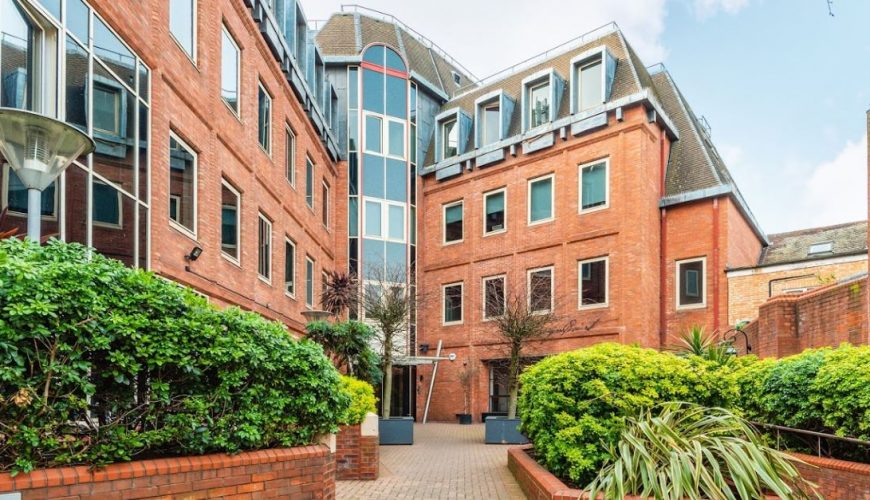
However, it’s important to remember that the cost of living varies depending on where in Scotland you live. In Inverness or Aberdeen, for example, rents are much lower than they are in Glasgow or Edinburgh. And while prices for essentials like food and petrol are generally higher in Scotland than they are elsewhere in the UK, salaries tend to be higher too.
If this has put you in mind to explore Scotland further, click on the area guide link below. This will give you more information on the key areas, attractions, schooling and other important factors that make living in Scotland appealing. There are also details of dozens developments offering new homes in Scotland, with constantly updating review scores and comments.
Boasting some of the highest scores for standards of living in the UK, Scotland is a country of extraordinary natural beauty. Add to that its friendly, cultured cities and a rich history stretching back for centuries, and you have a location that offers something Read more about Scotland
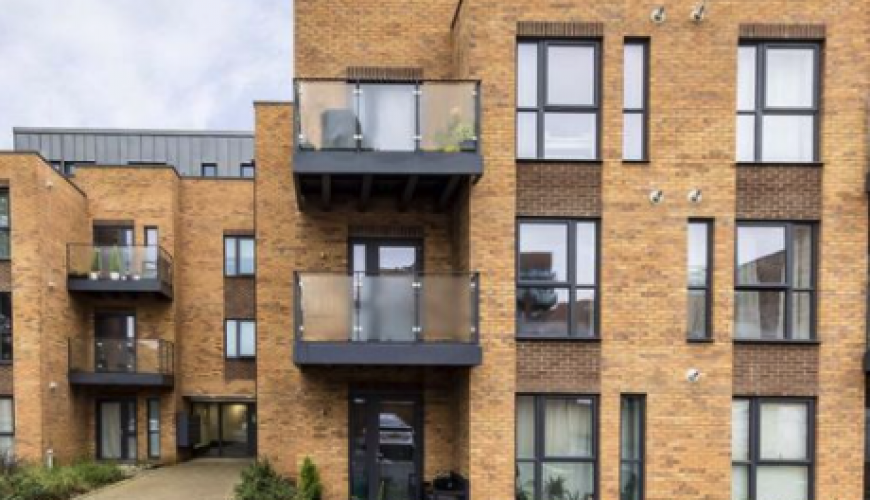
HomeViews is the only independent review platform for residential developments in the UK. Prospective buyers and tenants use it to make an informed decision on where to live based on insights from carefully verified resident reviews. Part of Rightmove since February 2024, we’re working with developers, house builders, operators, housing associations and the Government to give residents a voice, recognise high performers and to help improve standards across the industry.