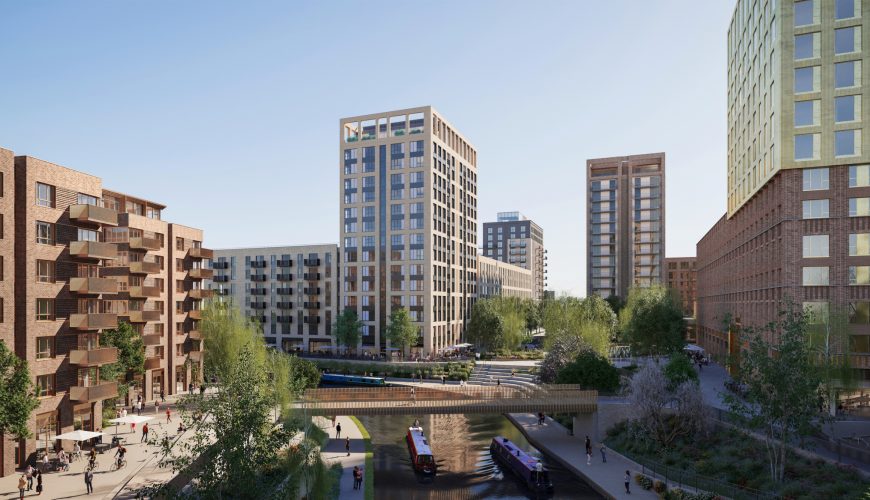
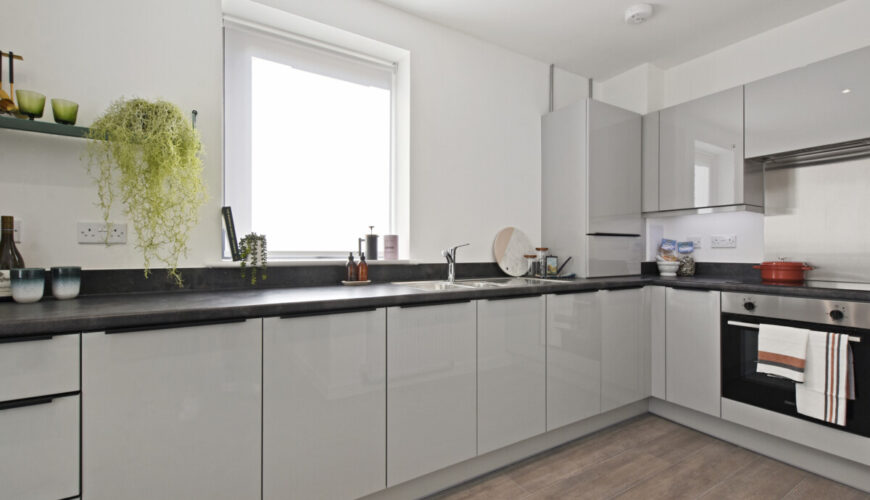
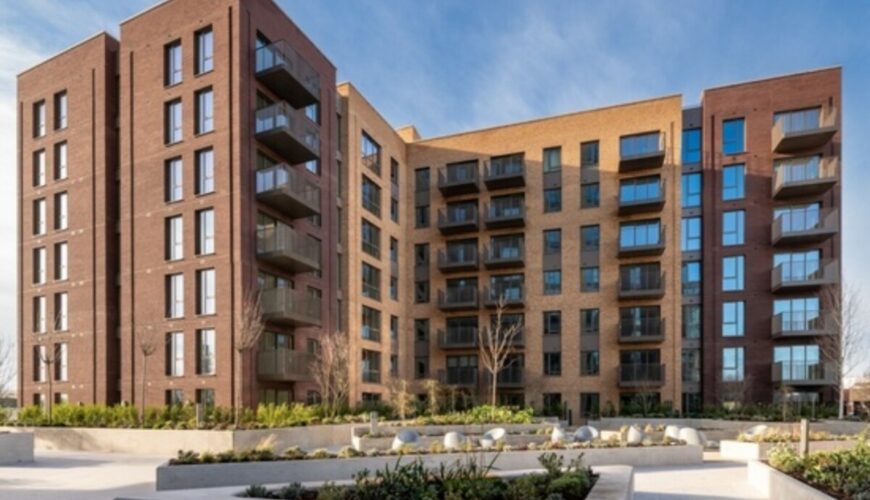
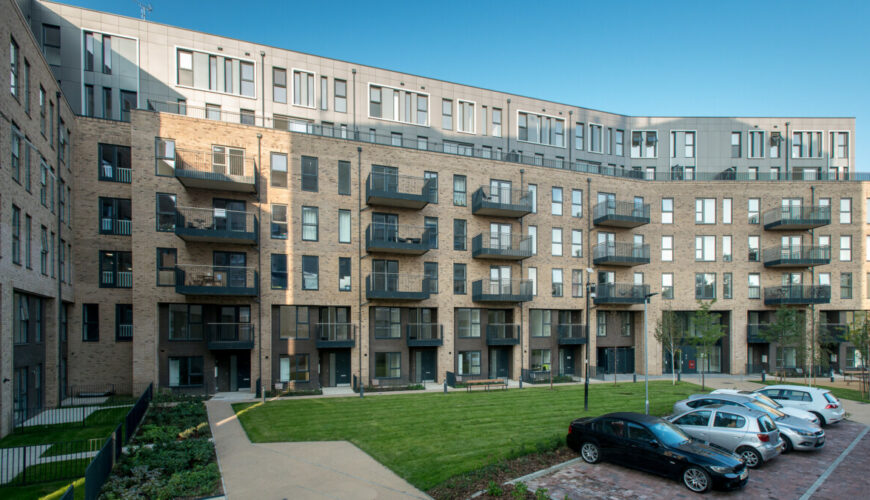
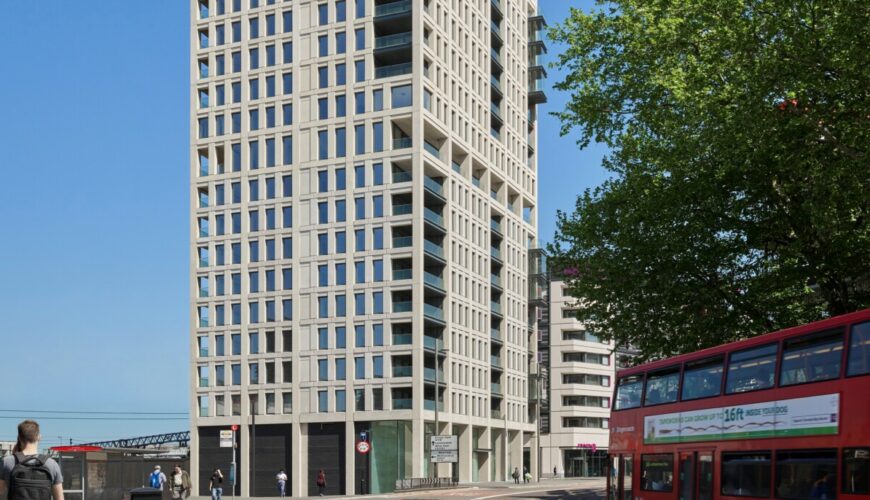
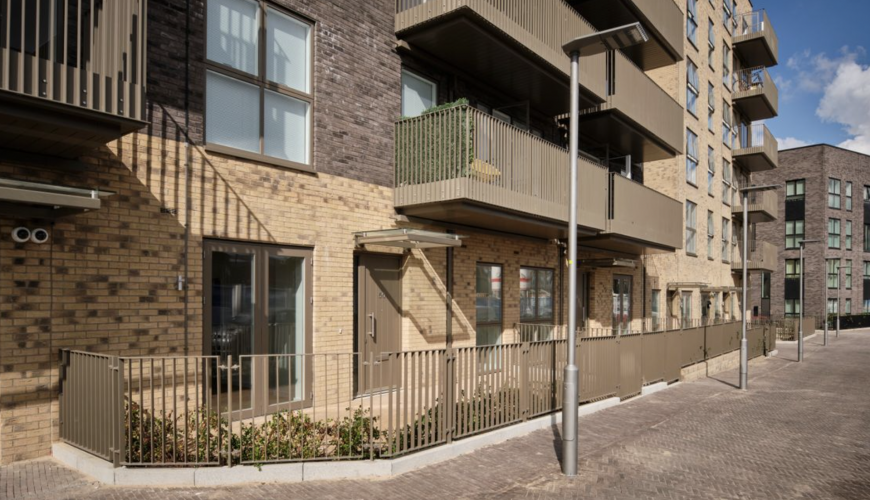
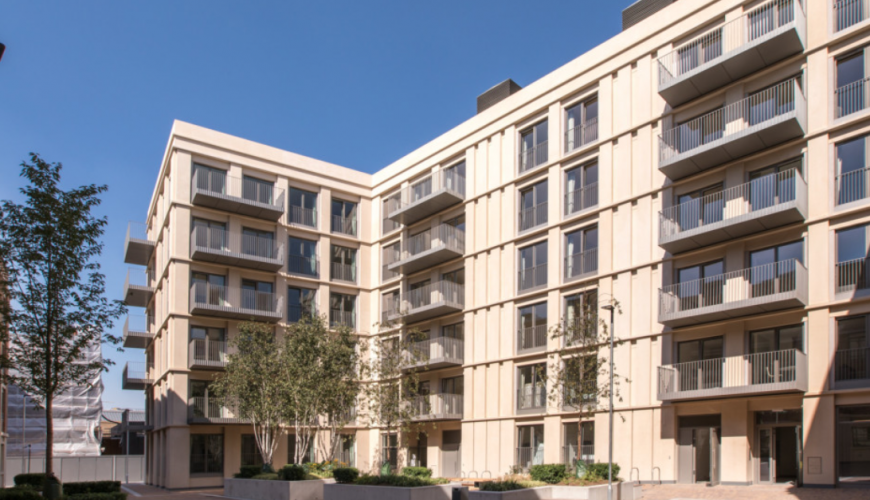
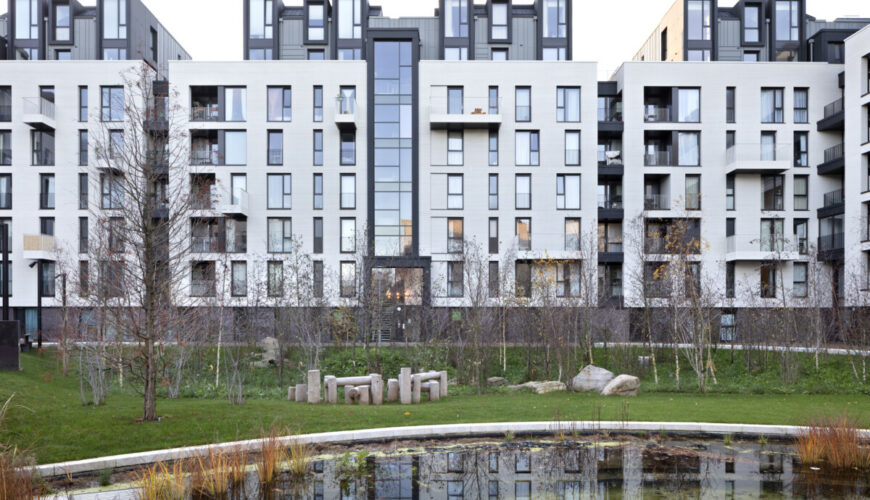
A popular commuter belt location, but with plenty to offer in its own right, Reading’s star is on the rise. It has rapidly developed from a sleepy satellite of London into a well-rounded university town with its own personality. But what do the people who live there think of the prospects for buying and renting? In this list of the 10 best places to live in Reading, we find out which new homes developments are making waves in Berkshire’s biggest town.
Is Reading a good place to live?
With almost a quarter of a million inhabitants, Reading has grown quickly, but carefully. It’s a well-planned and designed town that continues to improve its cultural, retail, leisure and dining scenes. From Harris Arcade’s boutique shops to the vast Oracle shopping centre, there’s no shortage of excitement and entertainment to be found here.
Combined with its growing selection of good schools and excellent transport links, Reading has managed to secure itself a place as a prime spot for UK renters and buyers.
10 best places to live in Reading
With the overview established, let’s look at some of the best property developments in Reading for buying and renting. The following top 10 are all decided purely on the basis of their average scores collected from verified HomeViews resident reviewers. So, take a look at the top picks of Reading’s growing property portfolio, according to the people who live there.
*We know the title says 5 best places to live in Reading, but we’ve had a lot more listings here since the article published!
*PLEASE NOTE these rankings take into account how recently reviews have been submitted, so may not match the overall star ratings shown. More recent reviews are given a greater weighting to reflect current building performance.
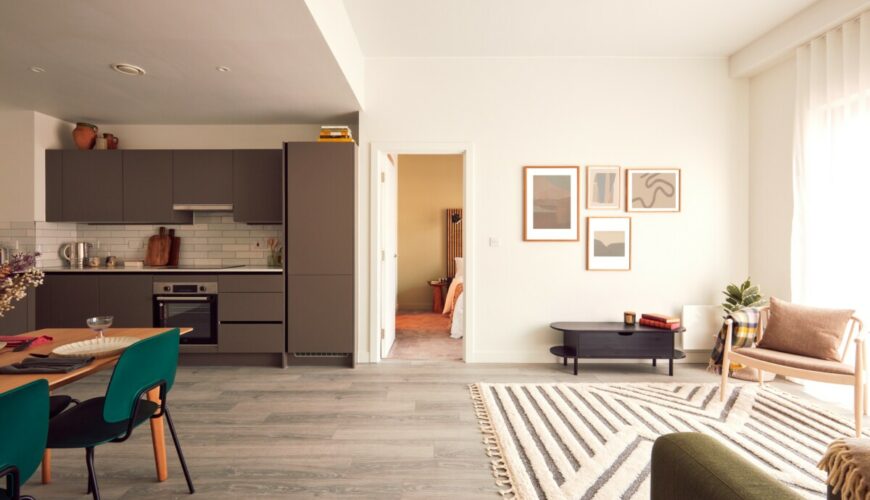
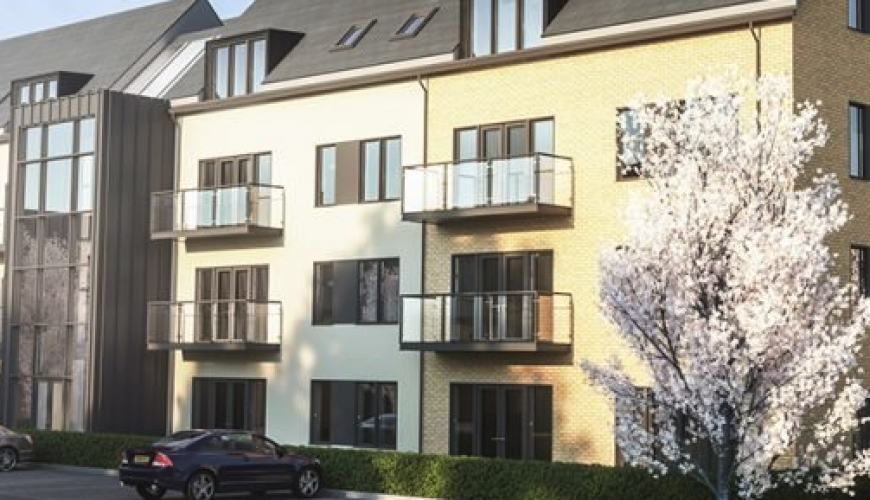
Ebb & Flow by Native takes the crown in Reading. This rental development offers a collection of studio, one, two and three-bedroom apartments in the heart of Reading. All apartments have spacious kitchens, enhanced floor to ceiling height, and bespoke furniture. As well as this, residents benefit from a 24-hr support team, wellness classes and community events. Private social and co-working spaces are also included.
Read reviews and details of Ebb & Flow, RG1
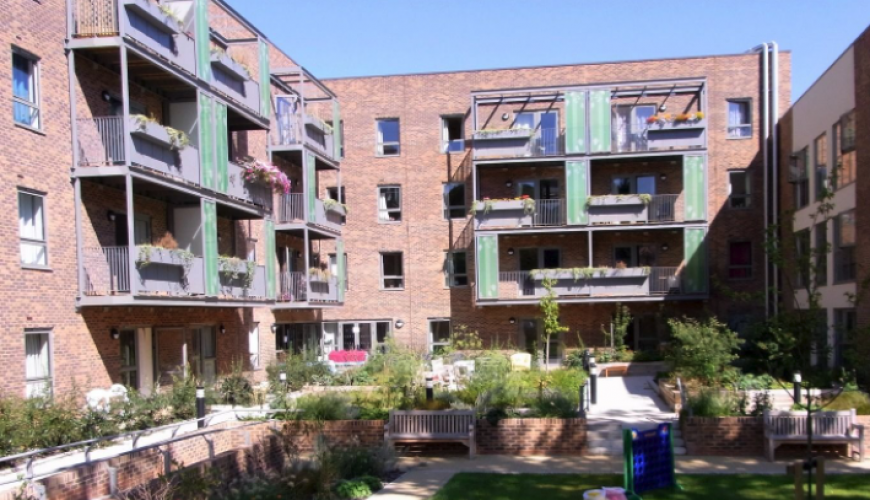
Taking the second spot in Reading is L&Q at Huntley Wharf, a collection of riverside one and two-bedroom Shared Ownership apartments and duplex apartments. Huntley Wharf provides a new destination for central Reading featuring a central riverside square with local amenities such as a café, restaurant, a local store, gym, nursery and landscaped open spaces along the river. The apartments are finished to a high specification, making it the perfect space for modern day living.
Read reviews and details of L&Q at Huntley Wharf, RG1
Located in Woodley, just three miles from Reading town centre, Parklands takes fourth place in Reading. The development is described by its residents as a “best of both worlds” place to live. On the one hand, Parklands offers a tranquil suburban lifestyle with plenty of green spaces and low-key amenities nearby. On the other, it’s a short, direct route into the centre of town, served by excellent bus links. Residents love the sense of community that’s been established here, supported by the able management team.
Read reviews and details of Parklands by CALA Homes, RG6
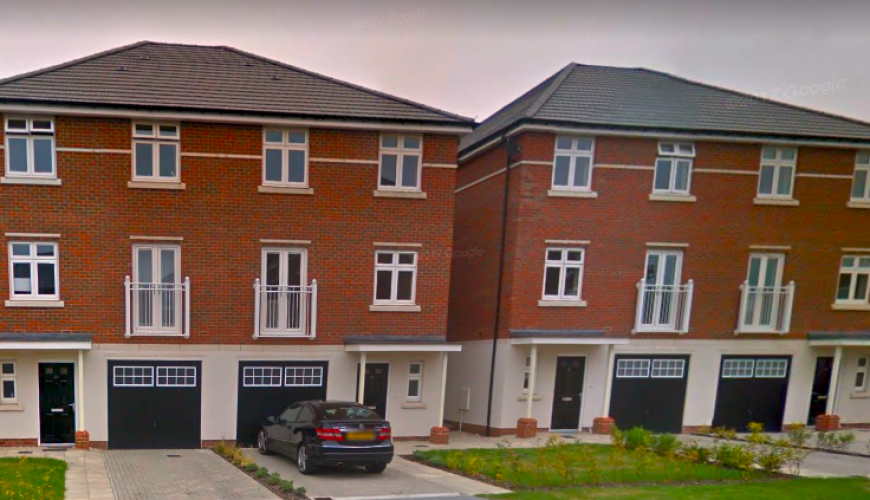
Our fifth most popular development is Reading Gateway, by Bewley Homes, which lies just 3.5 miles from central Reading and various amenities. Comprising a range of contemporary house and apartments, this smart, modern development benefits from great transport links and plenty of green space.
Read reviews and details of Reading Gateway, RG2
In sixth place we have Dee Park by Willmott Dixon. This is a multi-phase regeneration scheme located on the outskirts of Reading. The development comprises 763 homes, 281 of which are designated as affordable homes. Plans are also in motion to quickly create a widening range of community, healthcare, and education facilities.
Read reviews and details of Dee Park, RG30
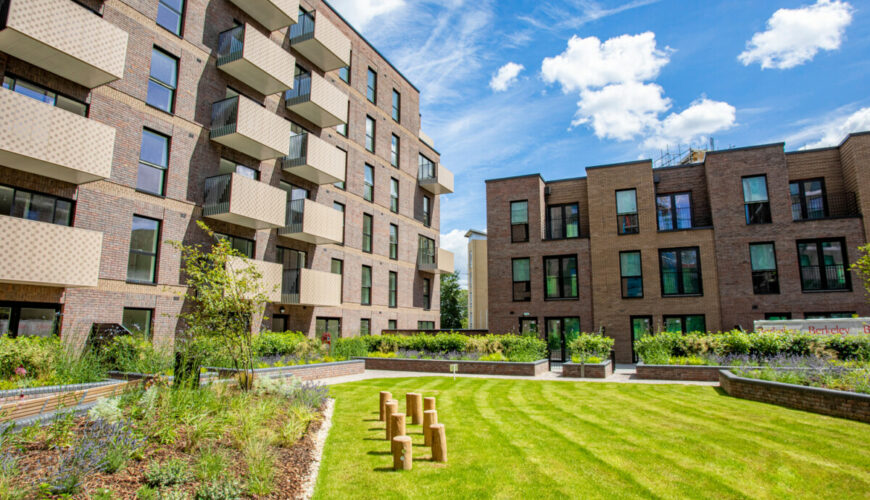
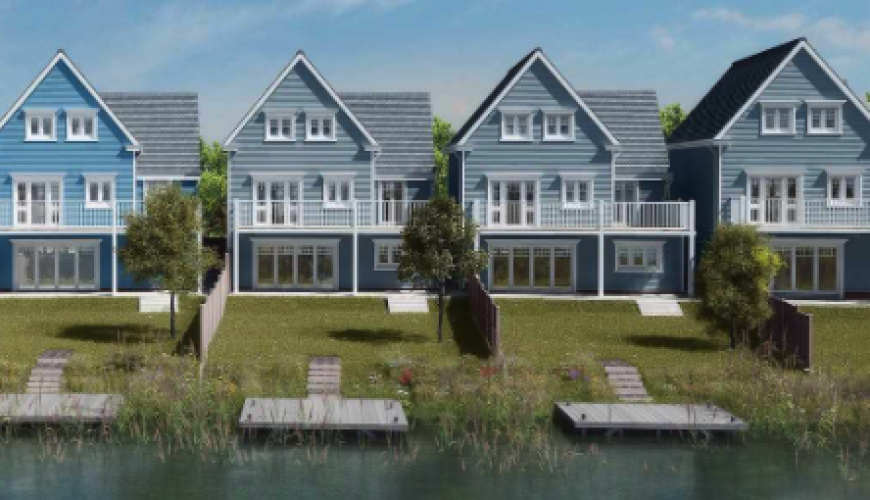
Climbing from tenth to seventh in recent months is Green Park Village, by Berkeley Homes, which sits just minutes away from central Reading. Offering a collection of New England inspired houses and contemporary apartments, the development is situated on a large lake surrounded by green spaces, trim trails & nature paths. As well as this, there are nearby amenities such as a gym, crèche, restaurants and retail spaces at nearby Green Park.
Read reviews and details of Green Park Village, RG2
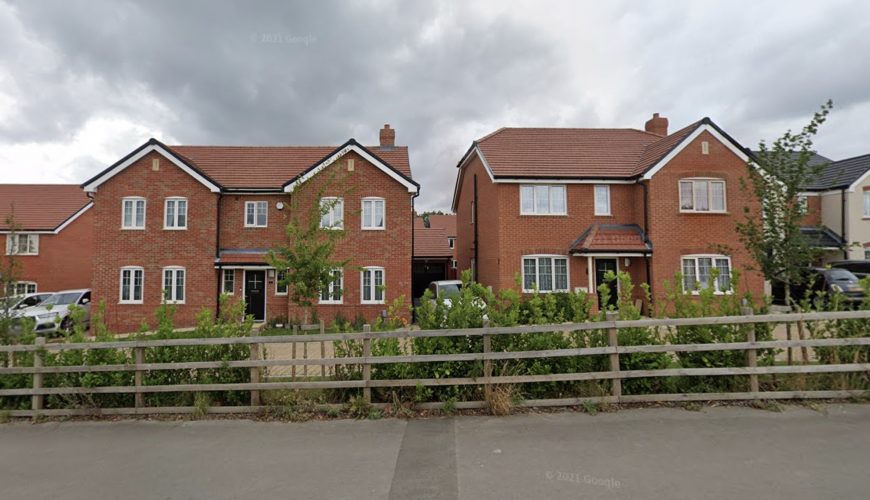
Next up we have Heritage Park, which is a collection of two, three, four and five bed homes in the popular village of Shinfield, Berkshire.
One reviewer recently gave this ringing endorsement: “The development is lovely. The design is smart and offers plenty of space for parking so it never looks over crowded. Plenty of green spaces for the children in the neighbourhood to play together. The development management is good – when we first moved in we had a few knocks on our door to check we were happy with everything in our house.”
Read reviews and details of Heritage Park, RG2
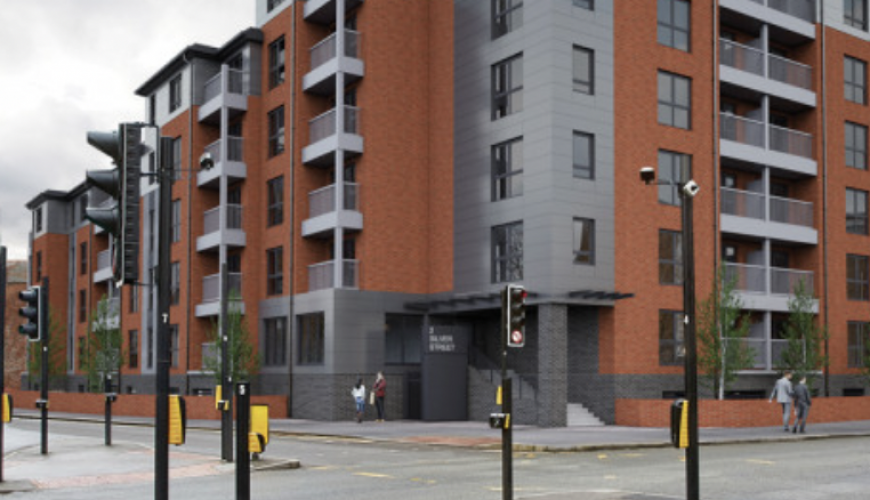
In ninth, Sterling Square is a development by Thomas Homes Development. The development is made up of two buildings – Silver Street Apartments and Newark Street Apartments – and is situated close to Reading town centre, as well as the University of Reading and Royal Berks Hospital.
Read reviews and details of Sterling Square, RG1
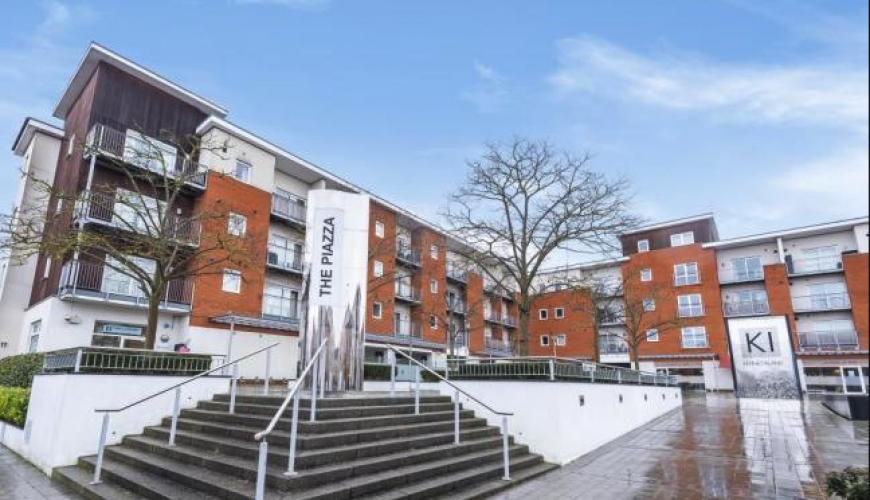
Sliding neatly into the top 10 for Reading is Kennet Island, by Berkeley Homes, which sits just 3 miles from the town centre. Surrounded by acres of green space, the development comprises a range of high-quality apartments, a central piazza with a water feature, an established community and plenty of amenities. The development is also just an 8-minute bus journey to Reading train station.
Read reviews and details of Kennet Island, RG2
Main reasons why people want to live in Reading
Professional opportunities: Reading is regularly voted as one of the best places to work in the UK. This is largely due to the growing service sector here. Not to mention Reading’s long-standing ties to the international technology community. Microsoft and Oracle are just some of the tech giants who have their UK headquarters in Reading.
Safety and security: Reading has done a lot to improve its crime and safety ratings in recent years. In fact, it has been so successful that Reading is now the UK’s safest city. The ONS recently recorded its crime rate as 59 crimes per 1,000 people – the lowest of all UK cities.
Transport links: Reading is only 30 minutes from the heart of London. It has excellent train links running both east into the capital and the Great Western main line. Reading is also on the new Elizabeth Line, making central London more accessible than ever. The town is well served by road, with almost immediate access to the M4, A329(M) and A33.
Reading Festival: Internationally known and enjoyed, the annual Reading Festival is a highlight for music lovers and big event thrill-seekers.
The most popular areas to live in Reading
Reading offers a variety of suburbs and neighbourhoods to suit all needs. The town is appealing to young professionals, settled families, older couples and students alike. Here are some of the most desirable parts of Reading to live in:
Earley
Earley, in southeast Reading, is a popular destination among families. It’s home to the beautiful green space of Laurel Park with its peaceful lake. Earley also provides easy access to both the town centre and the M4.
Woodley
Reading’s largest suburb, Woodley is a self-contained community with its own amenities and easy access to Reading centre. The expansive Dinton Park lies just to the east of Woodley, with its stunning collection of lakes.
Caversham
Located just to the north of the town centre, and across the River Thames, Caversham has its own distinct community feel while still being connected to Reading itself. Caversham’s river and lakeside setting, combined with charming pubs and easy access to peaceful countryside make it an ever-popular choice.
Average property prices in Reading
Rightmove gives a current average property price in Reading of around £407,000 based on sales in the past 12 months (February 2025). While house price increases have slowed over the past year (as is the trend across the UK), Reading’s prices are still 6% higher today than in 2021.
If you want to know more about one of the biggest towns in the UK, then our area guide to Reading should be your next stop (see below). Here you can see more of our listings and resident reviews, as well as more general information about life in Reading.
Reading is a large market town and borough in the county of Berkshire. Located on the M4 motorway 40 miles west of London and within easy reach of both Oxford and Bristol, it has been described as having some of the best transport connections Read more about Reading
HomeViews is the only independent review platform for residential developments in the UK. Prospective buyers and tenants use it to make an informed decision on where to live based on insights from carefully verified resident reviews. Part of Rightmove since February 2024, we’re working with developers, house builders, operators, housing associations and the Government to give residents a voice, recognise high performers and to help improve standards across the industry.
How do you know where to find the best property developments in Brixton? Just ask the people who live there! That’s exactly what we did to put together our list of the 5 best places to live in Brixton. Read on to see what our resident reviewers think are the best spots in one of South London’s most vibrant areas.
10 best places to live in Brixton
If Brixton’s undeniable energy and culture are appealing to you, then the best place to get a sense of the market is with our residents’ top-ranked developments. These are top five places to live in Brixton according to the people who live in new build homes in the area. Based solely on their reviews, the following developments have the best overall scores.
Also, we know that the title says “5 Best places to live in Brixton” but with so many great new developments coming onto the HomeViews site in 2025, we needed to elevate this list to a Top 10!
*PLEASE NOTE these rankings take into account how many reviews a scheme has and how recently those reviews have been submitted, so may not match the overall star ratings shown. Buildings with a larger number of more recent reviews are given a greater weighting to reflect current building performance.
Top of the table is Node Brixton, which offers a selection of new studio, 1, and 2 bedroom apartments. This development, designed with a focus on renters, is housed in a stylishly restored 1940s period building, providing a blend of historical charm and modern living. The apartments are design-led, featuring bespoke storage and furniture packages. Key amenities for residents include a bike store, built-in storage, an ottoman bed, a residents lounge area, and a garden. Additionally, the development boasts tech-savvy features such as keyless check-in/access, a residents app for package tracking, and vibrant communal spaces including a sycamore-shaded private terrace and a co-working space.
Read reviews and details of Node Brixton, SE24
2nd on our list is Oval Quarter. Completed in 2017, this residential development features 808 units, with a mix of one, two and three-bedroom apartments alongside a range of three and four-bedroom houses. Myatt’s Fields Park is only a 6-minute walk away and there’s a good range of transport options within the surrounding area, including Oval and Stockwell Underground stations as well as Loughborough Junction and Denmark Hill rail stations.
Read reviews and details of Oval Quarter, SW9
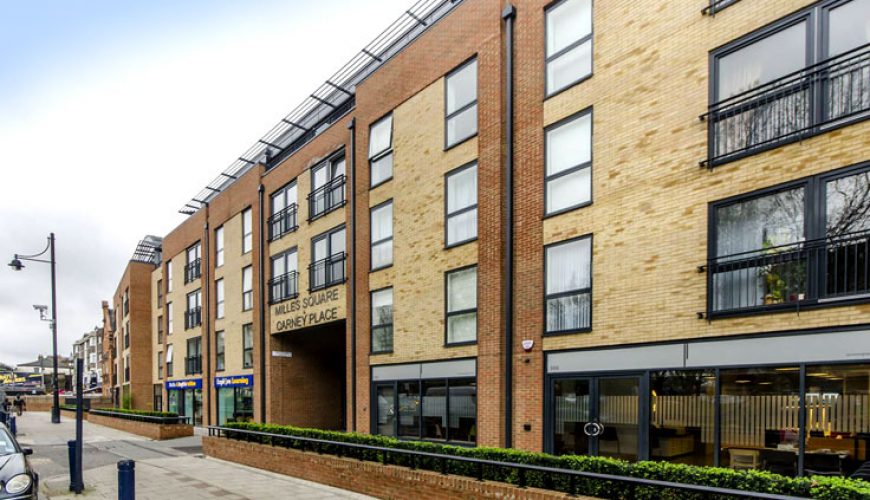
Taking the bronze is Brixton Square, which combines the appeal of thoughtful, modern design with an unbeatable location. Residents say they love being so close to Brixton station and the beating heart of the area, Brixton Village. The development itself offers swish apartments including duplex, penthouse style apartments on top of the two purpose-built blocks – Milles Square and Carney Place. There’s also a handful of retail outlets on site and a wide range of attractive facilities for residents to use.
Read reviews and details of Brixton Square, SW9
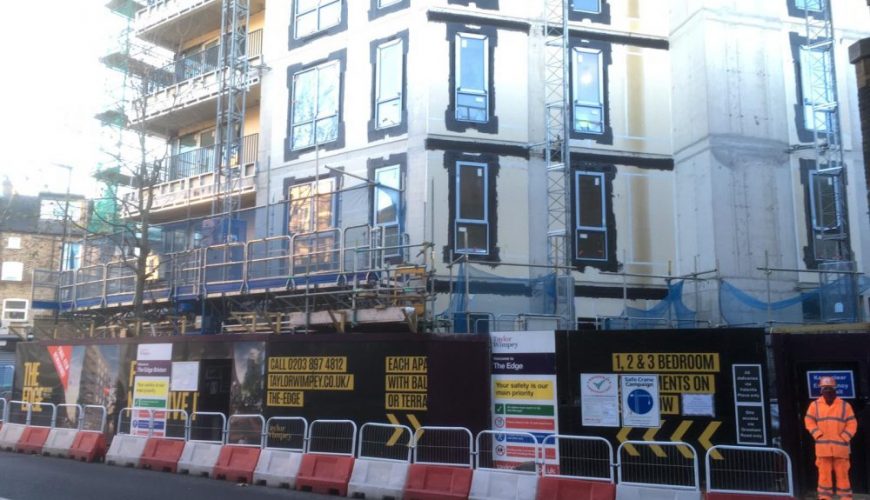
Next up is The Edge, which has nothing to do with Irish rock band sensation U2. It is in fact a Taylor Wimpey development on Gresham Road in the centre of Brixton. It features one, two and three-bedroom apartments, all within close proximity to Brixton Village and Brixton’s Underground and National Rail stations. From here, residents can hop on the Victoria line and reach the West End in under 20 minutes.
Read reviews and details of The Edge, SW9
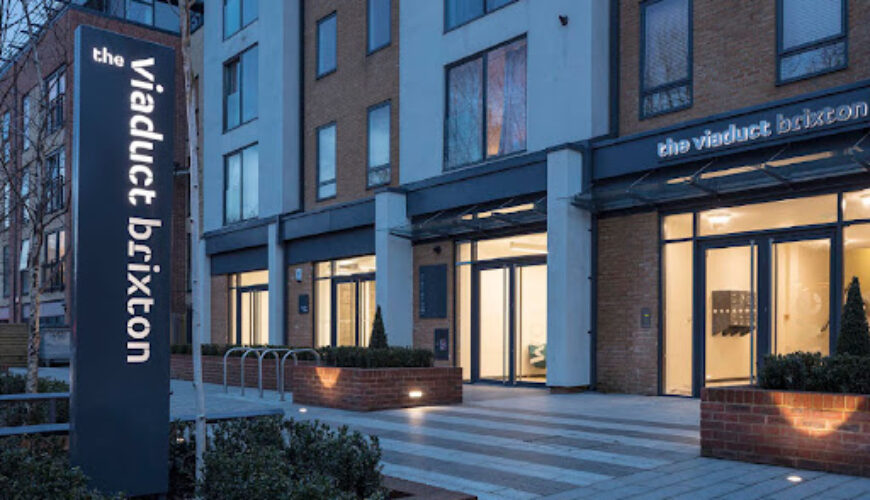
5th place goes to The Viaduct, a contemporary residential development offering one to three-bedroom apartments, located close to Brixton’s vibrant town centre and well-connected via nearby train and tube stations. It also includes 15 studio-style office spaces with modern amenities such as new air conditioning, LED lighting, and ample bike storage, designed for professionals.
The development boasts industrial finishes and provides access to a communal area ideal for outdoor gatherings. Residents and office occupants benefit from the lively local atmosphere, characterized by bustling lifestyle options, coffee shops, and eateries. This dual-purpose development caters to both living and professional needs in one of London’s dynamic neighbourhoods.
Read reviews and details of The Viaduct, SW9
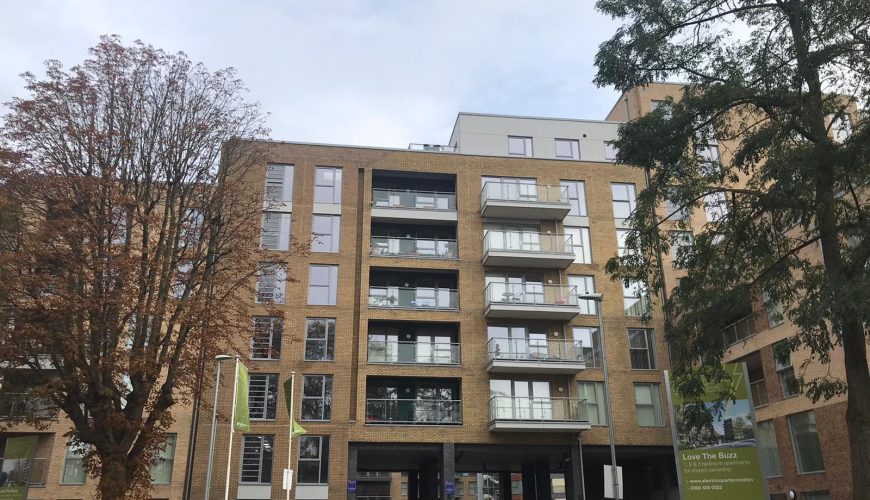
Taking 6th place in Brixton is Electric Quarter, a collection of one, two and three-bedroom apartments from Guinness Homes. It’s set in Loughborough Park, in the heart of the Brixton area, close to the Brixton Underground and Brixton Rail Station. Local attractions such as Brixton Market, Brixton Village and Hootananny are all close by.
Read reviews and details of Electric Quarter, SW9
In 7th we have Clapham Place, a new development by Regal London, with easy links to both Brixton and Clapham’s main centres.
One satisfied resident reviewer says: “Clapham Place is a well designed and decorated building that feels modern and welcoming. While the management is good, the gym closing early and limited concierge hours is frustrating. A great development, however, and I’m pleased I bought here.”
Read reviews and details of Clapham Place, SW9
Weld Works takes the 8th spot on our Brixton list. This is a contemporary development offering modern living spaces including studio flats in a secure gated community off Brixton Hill, known for its vibrant atmosphere and proximity to local amenities like shops, bars, cafes, and restaurants. The studio flats feature an open plan fully fitted kitchen and lounge area, alongside a spacious bathroom, providing a modern and stylish living environment.
Located just a 10-minute walk from Brixton tube station, the development offers excellent transport links, making it easy for residents to travel around London. The gated development ensures privacy and security, with added conveniences such as a bicycle lock-up area and CCTV surveillance.
Read reviews and details of Weld Works, SW2
The penultimate place goes to Singer Mews, a mixed-use development from Notting Hill Genesis, consisting of Shared Ownership, private sale, social rent and retail units. There are 77 flats here, with one, two and three bedrooms. The development is in the Stockwell area between Clapham and Brixton, and is close to Clapham North Underground and Clapham High Street railway.
Read reviews and details of Singer Mews, SW4
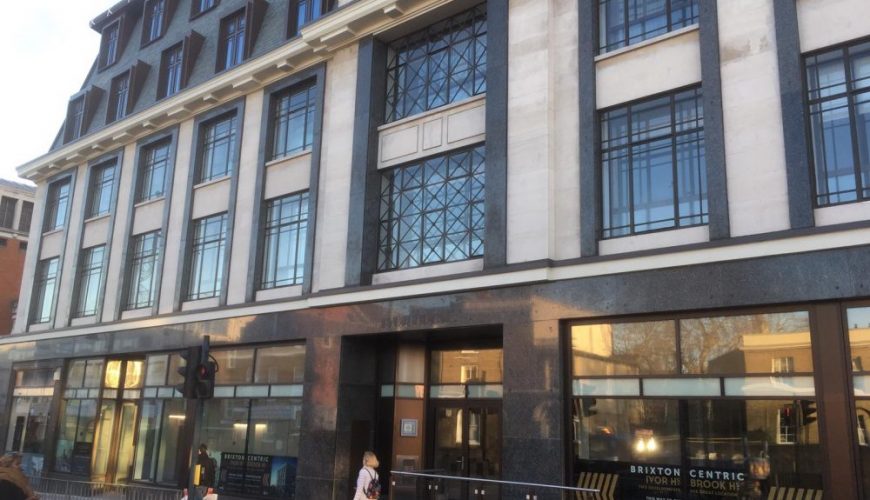
Ending on a high note, Brixton Centric is a Muse Developments property located in London’s Brixton and comprising two buildings. The development boasts one and two-bedroom apartments in a central setting – residents have Brixton Station, Brixton Village and landmarks like the Ritzy Cinema on their doorstep here.
Read reviews and details of Brixton Centric, SW2
What is living in Brixton like?
While many may complain about the pace of change, within a single generation Brixton has completely reinvented itself. It has shrugged off its prior reputation for crime, poverty and unrest from the 80s and 90s, emerging as one of London’s coolest and most culturally vibrant areas.
Today, Brixton offers incredible variety, and that goes for everything. Shopping, restaurants, markets, entertainment, cultural attractions (big and small), green spaces to chill, Brixton has it all.
Why is Brixton so popular?
People are flocking to Brixton for two main reasons: opportunity and atmosphere. It’s an area that is undeniably on the up and up, thanks to continued urban renewal efforts and private investment pouring in.
At the same time, Brixton fights to maintains its authenticity. The deep roots of the community are still felt throughout the area, and can be seen in the unique shops, markets, restaurants and events that are constantly serving up something new.
What are the best areas to live in Brixton?
Right in the heart of Brixton is where you’ll find the main station, O2 Academy Brixton and many of the most prominent parts of the commercial and dining scene. Brixton Village is a must-visit, as many of the best restaurants in Brixton can be found here. From Afro-Caribbean eateries to Thai takeout and artisanal stalls, everything has come together to renovate this old arcade to a new lease of life.
Brixton Hill is to the south, and is a much more residential part of the neighbourhood. It’s also pretty famous for its large murals painted by local artists on walls and the sides of houses. They’re as beautiful, vibrant and colourful as the community itself.
Over to the east, Herne Hill sits between central Brixton and Dulwich. Here you’ll find streets full of independent shops, alongside an admirable selection of characterful cafes, pubs and bars. There’s also the tranquil Brockwell Park that makes up the southeast corner of Brixton. Complete with an ever-popular lido, it makes for a lovely day out.
Brockwell Park (Image credit: Images George Rex)
Bars in Brixton
If you’re ever lost in Brixton, rest assured that you’re never far from a good pub, club or watering hole. Brixton Academy and Hootananny are long-established hot spots for the late-night crowds. If you’re more into the cocktail bar scene, Shrub & Shutter, Courtesan (which is also a great dim-sum restaurant) and Rum Kitchen are just some of the highlights of the neighbouring’s popping nightlife.
As for a more simple yet enjoyable affair, the Wine Parlour is another local favourite. There’s no muss, no fuss here, just sit down and enjoy a lovely glass of wine. If you need help choosing, the staff are more than happy to help you find your next favourite drop!
There’s also no shortage of hidden gem pubs and bars in Brixton. The Beast of Brixton is one of those pubs that never seems too overcrowded despite its huge popularity. It helps that it’s tucked away a bit on Acre Lane.
Perhaps one of the newest hidden gems is Lost in Brixton, which opened in 2020 which is perched at the top of Brixton Village. So how is it ‘hidden’ exactly? Well, it has a hidden stairway, elevating what is already an extremely cool outside bar to a neighbourhood favourite.
Average property prices in Brixton in 2025
As of February 2025, according to Rightmove, the average price of a property in Brixton is £569,000. This is significantly below the London average of £736,000. Flats are the most popular property type sold here, going for an average of £463,000 in the past year.
When it comes to renting, you can find competitive rates in Brixton. Compared to the London average, rental rates in Brixton are significantly lower at £2,450 per calendar month.
If you want to know more about what to expect from Brixton, our dedicated guide below has plenty of extra information. Here you’ll also find all our listings for both sales and rental properties.
Back in the 1980s, Brixton was talked-about more for its high crime rates than anything else. But heavy investment and a host of new business have transformed this rainbow-coloured neighbourhood for the better. Brixton’s a creative hub packed with street art, independent shops and Read more about Brixton
HomeViews is the only independent review platform for residential developments in the UK. Prospective buyers and tenants use it to make an informed decision on where to live based on insights from carefully verified resident reviews. Part of Rightmove since February 2024, we’re working with developers, house builders, operators, housing associations and the Government to give residents a voice, recognise high performers and to help improve standards across the industry.
The well-connected suburban haven of Ealing is an ever-popular choice for anyone searching for a mix of bustling London life and a more relaxed atmosphere. Plentiful amenities and superb transport links meet numerous parks and green spaces, making it a thoroughly pleasant place to live. Residents at some of the borough’s new build developments have provided their reviews of the best new build homes developments in Ealing, helping us to create this top 10 ranking.
Top 10 new build homes developments in Ealing
Ealing is fondly known as ‘The Queen of the suburbs’. If you’re looking for a more relaxed life within easy reach of Central London, it certainly has a lot to offer. Take a look at our rankings of the best new builds in the borough below. The rankings are based on the ratings given by verified reviewers on HomeViews, and nothing else.
*PLEASE NOTE these rankings take into account how many reviews a scheme has and how recently those reviews have been submitted, so may not match the overall star ratings shown. Buildings with a larger number of more recent reviews are given a greater weighting to reflect current building performance.
The Glassworks is currently the top-rated development for Ealing. Taking centre stage in Greenford Quay’s landscaped community, its Northern Californian inspired interiors offer simple and informal living spaces to satisfy any mood. Amenities include laid-back workspaces, a residents’ lounge, sunrise gym, music and podcast studio, games and screening rooms, and a demonstration dining space.
Read reviews and details of The Glassworks, UB6
In close 2nd place, Uncle Southall is a new development offering 166 brand new London apartments. These apartments are designed with high-end appliances, quality fixtures, and the latest designer furniture. The development emphasizes tenant-focused service with amenities including a karaoke lounge, a resident’s lounge, and communal roof terraces. For wellness, there are health and fitness facilities, a gym, and co-working spaces. It’s strategically located within walking distance of various transport modes, including the Elizabeth line and Southall train station, facilitating easy access to Central London and surrounding areas.
Read reviews and details of Uncle Southall, UB2
Completing the top 3 we have Lyons Dock at Greenford Quay. This development compromises 251 brand new studio, one, two, and three-bedroom apartments to rent. As well as this, residents benefit from enviable amenities including a gym, dining room, cinema, lounge, meeting rooms, children’s play area, and rooftop terrace.
Read reviews and details of Lyons Dock at Greenford Quay, UB6
Our 4th top-rated development for Ealing is currently Greenford Quay with Tillermans by Greystar. With 379 rental-only residential units, the development is located between Greenford, Sudbury Hill and Sudbury Hill Harrow stations, which have connections to the Piccadilly and Central lines as well as Chiltern Railways and GWR services.
Read reviews and details of Tillermans at Greenford Quay, UB6
A new but popular Ealing development is now at number 5. Faber Green is the latest project in the renewal of the homes and neighbourhoods throughout the borough. The development offers with easy access to open green spaces and great connections to central London and beyond. There’s a good range of homes to suit all your needs, all of which are pet friendly. Each home comes with private outside spaces, bright and modern interiors, designed with the aim of building a community, not just somewhere to live.
Read reviews and details of Faber Green, UB5
In 6th, So Resi Greenford offers 84 shared ownership properties. Most properties come equipped with balconies and en-suites, and the development itself is ideally located in the west London neighbourhood of Greenford, just moments from Greenford Underground station, making it within easy reach of transport links.
Read reviews and details of So Resi Greenford, UB6
The 7th entry on our list is Vida, a residential development in the heart of Acton, London. Developed by Hill Residential, apartments here vary from one to two bedrooms, and include a selection of two-bedroom duplex apartments and three-bedroom maisonettes. Nearby transport links included National Rail services at Acton Central and the tube at East Acton Underground.
Read reviews and details of Vida, W3
The Lock provides yet another ranking position for Greenford Quay, this time at number 8. The 1, 2 and 3 bedroom homes at The Lock offer carefully designed spaces. Additionally, there is plenty of natural light through floor to ceiling windows with views of the canal and beyond. Greenford Quay offers everything you need to make the most of London, combining peace and quiet, with fun and accessibility. Central London, with its choice of live venues, clubs, cinemas and theatres is just 30 minutes away.
Read reviews and details of The Lock at Greenford Quay, UB6
Next up, in 9th we have One West Point, a collection of new build apartments located in Acton. The development provided 24-hour concierge, a private dining suite, private bar, restaurant and food hall, branded coffee shop, a yoga mediation and holistic suite, a fully equipped gymnasium, a private screening room, doggy day care facilities and a children’s soft play retreat.
Read reviews and details of AWOL at One West Point – Rental Only, W3
The Green Quarter takes the final position on our Ealing list. It’s considered one of the most significant regeneration projects in the UK and is set to become one of the most biodiverse. Once fully complete, it will have a transforming landscape with wetlands, parks, community areas and acres of green open spaces. The development offers a selection of suites as well as one, two and three-bedroom apartments. In addition, the Crossrail Station is just a short stroll away for those commuting into Central London. Likewise, Heathrow Airport, the M4 and M25 are also within close proximity.
Read reviews and details of The Green Quarter, UB1
Where is Ealing?
Ealing occupies a substantial chunk of West London, and lies mostly across TFL zones 3 and 4. It includes the neighbourhoods of Acton, Hanwell, Southall, Greenford, Northolt and West Ealing. Alongside its eastern boundary lies Shepherd’s Bush and White City, while Ealing neighbours with Hayes all the way across on its western edge.
Why live in Ealing?
Ealing comprises several discreet areas, each of which has its own character, with each providing a wealth of self-contained amenities. The central Ealing Broadway area is a community with excellent shopping and leisure facilities, along with reliable transport connections to Central London.
Further to the west are villagey Hanwell and bustling Southall, with its busy high street. The north of the borough takes in Greenford, Northolt, Perivale and Horsenden, which all have an increasingly ‘out-of-town’ feel. As you move towards these north-western areas of the borough, the parks become more expansive. You’ll also find a selection of golf courses, indicating you’re well and truly in suburban territory.
The borough has plenty to choose from when it comes to shopping, and even more when it comes to eating and drinking out. There are high street shops and well-known brands to choose from at Ealing Broadway. You’ll also find plenty of established family-run and independent retailers across the borough. The same goes for dining out, with the borough boasting a vast array of cuisines and cultures to explore.
Although Ealing is well connected to Central London, one of its main draws is its community spirit and local pride. The area plays host to various exhibitions, an annual summer festival and several local theatre groups. Ealing’s abundance of pubs and live venues also regularly host local bands. As such, you have plenty of lively nightlife options, alongside more relaxed local establishments.
Transport in Ealing
Central Ealing is easily accessible, with mainline rail and the Underground all available at Ealing Broadway. The station offers both Central and District line services. The eastern parts of the borough have plenty of Underground stations. The suburban western areas are mostly connected to the mainline rail services into London Paddington. Ealing benefits from access to two of London’s main arterial roads in the form of the A40 and the A406, providing routes into the city and out towards the rolling countryside. The M4 is also within easy reach.
Ealing house prices
Rightmove lists the average house price in Ealing at £833,000. This is based on its sales in the borough during the last 12 months to February 2025. This places Ealing above the current London average of £708,000. The high proportion of grand detached properties in the borough pushes Ealing’s average prices up. These routinely sell for more than £2,000,000. In contrast, a flat in the borough will set you back an average of £495,000, which is markedly below the London average of £562,000.
Are you interested in finding out more about Ealing life? Why not take a look at our dedicated area guide for Ealing below? The guide includes much more information about this superb location, with details of the best new build developments to buy and rent across the borough.
Ealing, or ‘The Queen of the Suburbs’ as it’s fondly known, is a happy balance between city and countryside living. Train and tube stations offer fantastic connections to the heart of the capital, as well as this it has retained a rural, characterful look Read more about Borough of Ealing
HomeViews is the only independent review platform for residential developments in the UK. Prospective buyers and tenants use it to make an informed decision on where to live based on insights from carefully verified resident reviews. Part of Rightmove since February 2024, we’re working with developers, house builders, operators, housing associations and the Government to give residents a voice, recognise high performers and to help improve standards across the industry.
London has always been a ‘city of perpetual works’ but postcodes E15 and E20 really stand out. In fact, they have almost totally transformed over the last decade. They’ve become a magnet for people across the world, so we’re going to show you the best places to live in Stratford. The 2012 London Olympics fundamentally transformed this area of east London, and the regeneration was a central part of the bid, the games and the legacy. Part of the newly developed portion even got a new postcode. E20 had hitherto only existed as a fictional postcode for Walford, the location of the hit British TV series Eastenders – life imitating art!
But where are the best places to live in Stratford? The best way to find out is by asking the people who already live there, and we did exactly that! Every day we speak to hundreds of locals across the capital. We ask what they think not only about their area but also their specific homes. Here are the answers.
Top 10 new property developments in Stratford
Stratford has emerged in the last decade as a thriving and vibrant East London community. Its excellent transport connections and local amenities make it stand out as a superb option within easy reach of Canary Wharf, the City of London and other central areas. Take a look below at the ten highest-rated new build developments in Stratford. As ever, the rankings are based solely on the reviews of verified residents on HomeViews, and nothing else.
Also, we know this was originally a Top 5 list. However, we’ve expanded it into a Top 10 to accommodate a whole new range of excellent Stratford developments that have entered the HomeViews listings in recent months.
*PLEASE NOTE these rankings take into account how many reviews a scheme has and how recently those reviews have been submitted, so may not match the overall star ratings shown. Buildings with a larger number of more recent reviews are given a greater weighting to reflect current building performance.
The top-ranked development in Stratford is Coppermaker Square, a rental-only development from Greystar. It offers 1,225 rental apartments in a vibrant city neighbourhood, available to move in now, where residents can benefit from resident-only amenities including a 25m pool, spa, gym and studios, co-working space, roof terrace and a private dining space. Residents can enjoy green spaces and amenities on their doorstep in a well-connected area of London.
Read reviews and details of Coppermaker Square, E20
Taking the 2nd top spot in Stratford is East Village, E20, which is just 300m from Stratford Station. Developer Get Living designed all the homes on this scheme to be rented out and include one, two, three and four-bedroom properties. The former Athletes’ Village is now a buzzing community of over 3,000 people. According to the residents we spoke to, one of the factors about the scheme they rated most highly was the location, which scored an impressive 4.73 out of 5.
Read reviews and details of East Village, E20
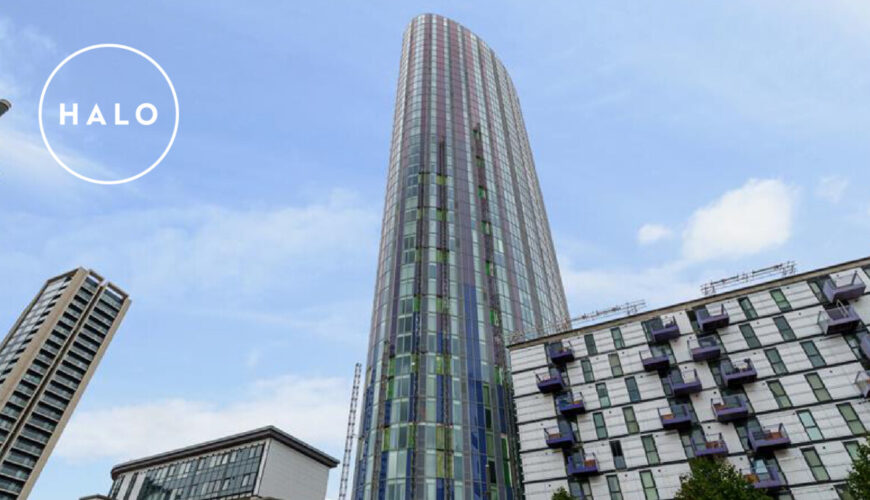
Next up, Stratford Halo offers a contemporary collection of apartments in a prime location, developed by Notting Hill Genesis. Located adjacent to Queen Elizabeth Olympic Park and Westfield Stratford City, this 43-storey development provides exceptional transport links via Stratford International and Stratford Station. With its impressive height and strategic positioning, Stratford Halo delivers a dynamic living experience in one of London’s most vibrant neighbourhoods.
Read reviews and details of Stratford Halo, E15
Taking a well-deserved 4th place is Glasshouse Gardens, a residential development near the Queen Elizabeth Olympic Park in East London. Brought to us by Land Lease Europe, it features a mix of studios and one, two and three-bedroom apartments, all of which overlook the park. Stratford International station and Westfield Stratford City are both within close proximity.
Read reviews and details of Glasshouse Gardens, E20
5th place goes to Hannah Court, offering luxury flats with contemporary design. Located on Holbrook Road, it’s conveniently close to Plaistow and Stratford Stations. The flats feature open-plan living areas, luxury bathrooms, and en-suite shower rooms. Designed for young professionals and students, the development includes communal lift access and secure entry. The option for parking and proximity to local amenities adds to its appeal.
Read reviews and details of Hannah Court, E15
Moving on to number 6 we have Stratford Central, which is a 31-storey residential tower set on Great Eastern Street in Stratford. It is just a short hop from Stratford’s Underground, Overground and DLR stations. Also, it is close to the Queen Elizabeth Olympic Park. Furthermore, there are 157 units here. These comprise of a mixture of one, two and three-bedroom apartments, suites and penthouses, all with kitchens by Urban Myth.
Read reviews and details of Stratford Central, E15
In 7th, New Stratford Works is a development by Higgins Homes as part of the vast regeneration of Chobham Manor area.
One happy resident says: “The development I live in has a modern and appealing design with well-maintained common areas. The shared garden is a nice addition, offering a sense of community.”
Read reviews and details of New Stratford Works, E15
Sugar House Island takes 8th place, and offers homes, flexible office spaces, creative hubs and independent retail, all set within an easily accessible East London location. Surrounded by parks and waterways, the Island is a hive of activity, day and night.
Read reviews and details of Sugar House Island, E15
In 9th, New Garden Quarter, by Telford Homes, sits right in the heart of Stratford. Just 10 minutes from Stratford station, residents benefit from a variety of amenities with Westfield around the corner. As well as this, the development has a 24-hour concierge, residents gym and landscaped gardens.
Read reviews and details of New Garden Quarter, E15
Rounding off the Stratford list nicely is Manhattan Loft Gardens in 10th place. This is a mixed-use development that includes a hotel, restaurants and rental-only loft apartments – all of which overlook the Queen Elizabeth Olympic Park. Situated adjacent to Stratford International, residents enjoy speedy transport links into Central London and beyond via its Overground, National Rail and DLR services. St Pancras International is just six minutes away. Trendy Hackney Wick is also close by.
Read reviews and details of Manhattan Loft Gardens, E20
Prices and rents in Stratford
The average property price in Stratford is £491,500. This is according to Rightmove data on sales in the area for the 12 months to February 2025. This places property in Stratford some way below the average price for London overall, which is £706,000.
For rentals, Stratford averages a monthly cost of around £2,500, according to Home.co.uk. One bedroom properties are available for roughly £2,160 per calendar month, while a three-bedroom rental property averages £3,400 per month.
Are you interested in finding out more about living in Stratford? Take a look at our detailed guide below, which has all the information you’ll need on this thriving East London community, as well as information on all the best new build developments in the area
Pre-2012 London Olympics, Stratford was, for many, just a place where the Jubilee line terminated. But the Games put this East London district well and truly on the map. Modern residential developments (with a plethora of amenities) have been multiplying here ever since. Where Read more about Stratford
HomeViews is the only independent review platform for residential developments in the UK. Prospective buyers and tenants use it to make an informed decision on where to live based on insights from carefully verified resident reviews. Part of Rightmove since February 2024, we’re working with developers, house builders, operators, housing associations and the Government to give residents a voice, recognise high performers and to help improve standards across the industry.
Where are the best places to live in West London? We let the residents decide. Residents of West London’s boroughs have rated their developments to give us a shortlist of the highest-rated new homes in the region. Are you looking for the best flats to buy or rent in West London? Make sure these 10 are on your shortlist.
10 best places to live in West London
West London includes a number of areas undergoing significant development. As London expands, more peripheral areas such as Hounslow and Hayes are seeing major investment, alongside Acton, Brentford and White City.
Verified residents have rated the developments below as the best available in the region. This includes new West London homes to rent and to buy, offering something for everyone!
*PLEASE NOTE these rankings take into account how many reviews a scheme has and how recently those reviews have been submitted, so may not match the overall star ratings shown. Buildings with a larger number of more recent reviews are given a greater weighting to reflect current building performance.
Climbing from 3rd to 1st in recent months is Fizzy Hayes, a residential development of one, two and three-bedroom apartments managed by Greystar. It’s in south Hayes, right near Hayes & Harlinton Station, and just a short drive from London Heathrow Airport. Also, the development sits between two very popular green spaces – Minet Country Park and Lake Farm Country Park.
One absolutely delighted resident writes: “Living at Fizzy Hayes has been an absolute dream for me! From the moment I moved in, I felt completely at home. The apartments are beautifully designed, with a modern and spacious layout that perfectly suits my lifestyle.”
Read reviews and details of Fizzy Hayes, UB3
Storming into 2nd place is Charter Place, an INSTRATA Lifestyle Residence managed by Greystar. It features a collection of studios, one, two, and three-bedroom rental homes. Residents have access to an onsite gym, lounge, a private dining room, and co-working spaces. In addition, Charter Place is only a short walk away from Hounslow East Underground station.
Read reviews and details of Charter Place, TW3
In 3rd, The Glassworks is a relative newcomer to HomeViews but it is already securing plenty of positive reviews. Taking centre stage in Greenford Quay’s landscaped community, its Northern Californian inspired interiors offer simple and informal living spaces to satisfy any mood. Amenities include laid-back workspaces, a residents’ lounge, sunrise gym, music and podcast studio, games and screening rooms, and a demonstration dining space.
Read reviews and details of The Glassworks, UB6
Apo Kew Bridge takes 4th place in West London. This is a Build to Rent development in Brentford, located adjacent to Kew Bridge station and is a short walk to Gunnersbury Park and Kew Gardens. In addition, residents benefit from an onsite residents’ gym, ‘The Local,’ a residents lounge and a co-working space. The Local opens out onto one of the three private roof terraces. Apo Kew Bridge offers well-being studios and meeting rooms for private hire. As well as this, residents can enjoy free wi-fi and a deposit free option. Similarly, there is a resident host who is onsite 7 days a week.
Read reviews and details of Apo Kew Bridge, TW8
Clinching the last spot in the top 5 is Uncle Southall, a new development offering 166 brand new London apartments designed with high-end appliances, quality fixtures, and the latest designer furniture. The development emphasises tenant-focused service with amenities including a karaoke lounge, a resident’s lounge, and communal roof terraces. For wellness, there are health and fitness facilities, a gym, and co-working spaces. It’s strategically located within walking distance of various transport modes, including the Elizabeth line and Southall train station, facilitating easy access to Central London and surrounding areas.
Read reviews and details of Uncle Southall, UB2
Lyons Dock at Greenford Quay is another development by Greystar, this one comprises 251 brand new studio, one, two, and three-bedroom apartments to rent. As well as this Residents benefit from enviable amenities, including a gym, dining room, cinema, lounge, meeting rooms, children’s play area, and rooftop terrace.
Read reviews and details of Lyons Dock at Greenford Quay, UB6
Sticking with Greenford Quay, for the 7th spot on our list we have Tillermans another development by Greystar, this Built to Rent has 379 residential units. Located in Ealing, the development is in-between Greenford, Sudbury Hill and Sudbury Hill Harrow stations, which have connections to the Piccadilly and Central lines as well as Chiltern Railways and GWR services.
Read reviews and details of Tillermans at Greenford Quay, UB6
In 8th, Faber Green offers Shared Ownership apartments and houses, surrounded by Ealing’s vibrant and evolving neighbourhoods. With easy access to open green spaces and great connections to central London and beyond, Faber Green brings a new dimension to Northolt. Offering a variety of homes to suit all your needs, as well as being pet friendly, all of the apartments at Faber Green, Northolt were available through Shared Ownership. Each home has private outside spaces, bright and modern interiors, designed with the aim of building a community, not just somewhere to live.
Read reviews and details of Faber Green, UB5
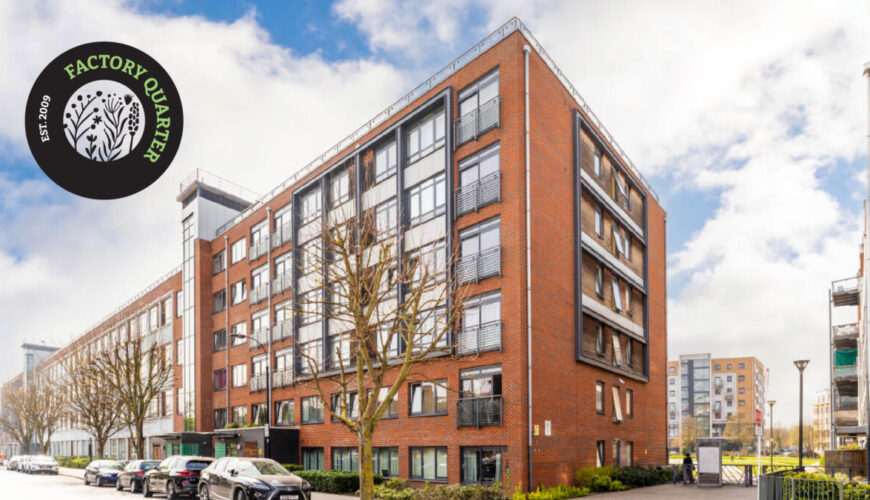
Taking the penultimate position on our West London list, The Factory Quarter offers a contemporary collection of 453 one and two-bedroom apartments. Located within easy reach of Turnham Green and Acton Central stations, the development provides exceptional transport connectivity via the District line and London Overground. With its strategic positioning and integrated retail spaces, The Factory Quarter delivers a dynamic living experience in one of West London’s most charming neighbourhoods.
Read reviews and details of The Factory Quarter, W3
Finally, in 10th, Vonder Skies boasts smart and stylish apartments, ranging from studios to one- and two-bedroom flats. Apartments in this property come furnished and functional with a contemporary style and feel. This property is part of our Vonder Plus membership, and it includes beautiful courtyards and an on-site car park.
Read reviews and details of Vonder Skies, TW8
What counts as West London?
The Victorian Temperate House at Kew Gardens
West London is a large and informally-defined area offering a wide range of different neighbourhoods and boroughs. West London traditionally West London covers the area to the west of Kensington & Chelsea. Starting at the borough of Hammersmith & Fulham to the east and stretching out to Hillingdon and Hounslow in the west, West London reaches up to the northerly tip of Harrow and down to the southerly tip of Richmond-upon-Thames.
The area offers a variety of price points for property hunters. As you’d expect, prices tend to fall as you move outwards away from more central areas. However, West London locations in zones 3 and 4 like Richmond, Kew and Chiswick still command high prices. This is because they offer easy access to Central London along with beautiful properties in prestigious neighbourhoods.
Locations on the outer edge of West London and beyond have finally started to benefit from the long-awaited opening of the Elizabeth Line. The new line runs through Ealing and Hillingdon before leaving London. From there, it heads west through South Bucks and Slough to terminate at Reading.
Hammersmith Bridge, which (when open) connects Barnes with Hammersmith
Outer West London stops such as Hayes, Southall and Hanwell have already seen major redevelopment in anticipation of the new services running directly into Central London. (Read our recent article Crossrail towns for Londoners escaping westwards for more details).
West London postcodes
As well as the obvious ‘W’ prefix postcodes, West London also includes many ‘SW’, ‘UB’, ‘HA’ and ‘TW’ prefix postcodes. For example, Fulham covers the SW6 postcode. However, it is generally considered to fall within West London rather than the South West.
What is West London known for?
The West Stand at Chelsea’s Stamford Bridge ground in Fulham (image: Vespa125125CFC)
West London is perhaps best known for its prosperous, leafy suburbs, such as Fulham, Chiswick, Ealing and parts of Notting Hill, Maida Vale and Richmond-upon-Thames. Heathrow Airport, located in the borough of Hillingdon, is one of the region’s largest employers. The University of West London also has a major impact on the area, with 47,000 students in attendance.
The Hammersmith Apollo is one of London’s premier concert venues, while Shepherds Bush is the location for one of the city’s two Westfield shopping centres. Hammersmith & Fulham boasts three top football clubs: Chelsea F.C, Fulham F.C. and Queens Park Rangers, while Brentford’s business park is home to a large number of corporate headquarters for companies such as GlaxoSmithKline, BskyB and Allianz.
Is West London safe?
Much of West London is a very safe place to live. Richmond is the London area with the lowest crime rate of all, according to the most recent police figures from the Metropolitan Police. Meanwhile, Westminster is often cited as the London borough with the highest overall crime rate. However, this is mainly due to the large number of tourists targeted by thieves.
If you’re interested in finding out more about life in West London, take a look at our guide to the area below. From there you can also find listings for both sales and rental properties available in the region.
West London stretches from Hayes in the west to Paddington in the east. Best known for central West London it is widely regarded as one of the city’s most sophisticated expanses. It’s little wonder this place is a millionaire-magnet. West London merges charming high Read more about West London
HomeViews is the only independent review platform for residential developments in the UK. Prospective buyers and tenants use it to make an informed decision on where to live based on insights from carefully verified resident reviews. Part of Rightmove since February 2024, we’re working with developers, house builders, operators, housing associations and the Government to give residents a voice, recognise high performers and to help improve standards across the industry.
Wandsworth is both a London borough, containing areas like Battersea, Putney and Tooting, and a hub in its own right – Wandsworth Town. Historically its centre has been dominated by the Young’s Brewery and the myriad pubs surrounding it.
The industrial revolution transformed Wandsworth. The area has also seen widespread regeneration with a series of large schemes giving Wandsworth a much-needed facelift. Popular with families and packed with great schools, it’s now one of London’s most affluent and attractive inner suburbs.
The 10 best places to live in Wandsworth
We know this list was originally a Top 5, but since the original post went live a whole range of excellent new developments in Wandsworth were added to the HomeViews site. Please enjoy the newly expanded Top 10 list!
So let’s get straight to it and reveal the top 10 places to live in Wandsworth. Our rankings are based on the reviews of verified residents of Wandsworth’s new build property developments, providing an independent and unbiased view of the best places to live in this popular borough.
*PLEASE NOTE these rankings take into account how recently reviews have been submitted, so may not match the overall star ratings shown. More recent reviews are given a greater weighting to reflect current building performance.
Topping the charts for Wandsworth is Mansbridge House, which offers 1, 2 or 3 bedroom apartments to rent in Battersea. All apartments come with their own winter garden, along with flexible contracts, the freedom to decorate and the ability to swap apartments, or developments if you’d like to, all come as standard. Additionally, Mansbridge House is pet friendly.
One happy resident wrote in Jun 2024: “As an architect, I was drawn to the apartment’s great layout, brand-new design, natural light, excellent facilities and pet-friendly environment. We have lived here for almost four years and love it! The new building management company is great and on top of everything.”
Read reviews and details of Mansbridge House, SW8
Sweeping into the number 2 spot for Wandsworth is Bloom Nine Elms, by Greystar. This highly regarded development is a collection of rental apartments located in Zone 1, while each apartment is pet-friendly and offers a great range of amenities, including a 24/7 gym, swimming pools, rooftop terraces, pet spa and more. Bloom Nine Elms has a collection of studio, one, two, and three-bedroom apartments.
Read reviews and details of Bloom Nine Elms, SW11
3rd in Wandsworth is Florence Dock by Folk. A rental-only development, Florence Dock offer studio apartments and access to huge shared spaces, including a cinema, co-working space, five outdoor terraces and a fully-fitted gym and studio. Clapham Junction and Wandsworth Town stations are just over 10 minutes walk away.
Read reviews and details of Florence Dock, SW11
Sunday Mills takes the 4th spot, and sits in the heart of Earlsfield. Perched along the peaceful River Wandle, it is just a 6-minute walk from Earlsfield station. Sunday Mills offers private studio apartments and stylish shared spaces, including a co-working hub, cinema, a fully-fitted gym and a rooftop terrace with 360º panoramic views of London’s skyline. There’s is a schedule of events to get involved with, from puppy yoga to pizza-making, so you can learn something new and and meet your neighbours.
Read reviews and details of Sunday Mills, SW18
The Lark is the 5th highest-rated development in Wandsworth. This is an Allsop Lettings and Management development, also situated in Nine Elms. Residents benefit from Nine Elms Park on their doorstep and a car-free pathway between Battersea Power Station and Vauxhall Cross. Additionally, Battersea Power Station is just a 5-minute walk away, and Vauxhall Station is 15 minutes away. Furthermore, the Lark offers a coworking space, a residents’ lounge, on-site parking, an on-site gym and pet friendly living spaces.
Read reviews and details of The Lark, SW11
In 6th, New Acres Wandsworth offers 1, 2 and 3 bedroom apartments for rent. With a whole host of exceptional amenities included in the rent, residents benefit from panoramic views from biodiverse roof terraces, a 25m heated lido, state-of-the-art gym, workspaces and more. Wandsworth is never be short of historic pubs, local delis or green spaces to walk your dog. Additionally, there will soon be a mix of indoor and alfresco dining to discover.
Read reviews and details of New Acres Wandsworth, SW18
Coda is a new development of apartments by Avanton, and takes the 7th spot. The development is situated next to the Thames in Battersea and is home to the Royal Academy of Dance.
One resident calls Coda a “New gem in south west London”, saying:
“The staff at the concierge are always nice, professional and make sure we are safe by asking people they don’t know on their whereabouts in the lobby. The gym is not the largest we’ve been to, but surprisingly never too busy and always tidy and clean.”
Read reviews and details of Coda, SW11
In 8th, London Square Putney is a new build development in Putney. It was developed by London Square and designed by signature architects Allford Hall Monaghan Morris. It is comprised of one, two and three bedroom apartments and penthouses and has an excellent location positioned between Putney Mainline and East Putney stations just a short walk away from Putney High Street.
Read reviews and details of London Square Putney, SW15
Next up, Junction House is a residential development by Taylor Wimpey that offers a selection of 93 one, two and three bedroom apartments in York Gardens, Battersea. The development is just 110m from the transport hub at Clapham Junction Station, which offers trains to routes from London’s South and South-West termini, Victoria and Waterloo in less than 10 minutes, as well as a whole scope of local amenities available on the High Street.
Read reviews and details of Junction House, SW11
We end our exploration of Wandsworth’s best developments with Mapleton Crescent, a modular new-build in Wandsworth that was designed by architects Metropolitan Workshop and developed by Pocket Living. The 27-storey tower offers 53 one-bedroom Pocket homes available to first-time buyers, as well as larger Pocket Edition homes and a workspace area for residents. Mapleton Crescent is a 15-minute walk from Wandsworth Town station.
Read reviews and details of Mapleton Crescent, SW18
Where is Wandsworth?
So, where exactly is Wandsworth? Nestled in South West London, the borough is also a part of Inner London. Wandsworth borders Lambeth to the east, Merton and Kingston upon Thames to the south, and Richmond upon Thames to the north and west.
Is Wandsworth a nice place to live?
We have already mentioned some of the reasons why Wandsworth is a nice place to live. But there’s more. For a start, it would be unfair to lump all its diverse micro-communities under one umbrella. While Clapham is a great spot for nightlife, Tooting and the Town serve up some fabulous international cuisine. Need a breath of fresh air? Head over to Battersea Park or any of the numerous green spaces scattered around the area.
But where are the best places to live in Wandsworth? The easiest way to find out is by asking the people who already live there, and we did exactly that! Every day we speak to hundreds of locals across the Capital. We ask what they think about their area and also about the specific developments they call home.
Wandsworth property prices
The average price of property in Wandsworth is £824.000. This is according to figures published by Rightmove for the 12 months to February 2025. This places Wandsworth significantly above the average property price for London overall, which is £706,000.
Flats account for almost exactly half of the properties sold in Wandsworth in the past 12 months, with an average price of £548,000. Terraced houses are likely to set you back around double that, with an average of around £1,100,000. Meanwhile, semi-detached and detached houses across the borough really push budgets sky-high, with average prices of £1,800,000 and nearly £2,000,000 respectively.
Are you keen to explore further what Wandsworth has to offer? This ever-popular corner of South West London is in-demand for a reason, with great facilities, excellent transport connectivity and no shortage of impressive new and period homes. Check out our area guide for Wandsworth by clicking the link below.
Welcome to Wandsworth, a leafy, south-west London borough overlooking the River Thames. It’s right opposite Fulham and, while the area has plenty in common with its affluent neighbour, living here is notably kinder on the bank balance. Read on to discover developments that are Read more about Borough of Wandsworth
HomeViews is the only independent review platform for residential developments in the UK. Prospective buyers and tenants use it to make an informed decision on where to live based on insights from carefully verified resident reviews. Part of Rightmove since February 2024, we’re working with developers, house builders, operators, housing associations and the Government to give residents a voice, recognise high performers and to help improve standards across the industry.
Dalam permainan slot Thailand, kemenangan dipengaruhi oleh beberapa faktor utama yang menentukan peluang dan hasil permainan. Berikut adalah faktor-faktor yang berpengaruh:
1. RTP (Return to Player)
RTP adalah persentase pembayaran kembali ke pemain dalam jangka panjang.
Slot dengan RTP tinggi (di atas 96%) lebih menguntungkan karena memberikan lebih banyak kemenangan dalam jangka panjang.
Contoh: Mahjong Ways (RTP 96.92%), Gates of Olympus (RTP 96.5%).
2. Volatilitas (Variansi Slot)
Volatilitas menentukan seberapa sering dan besar kemenangan yang bisa diperoleh.
Rendah: Menang lebih sering, tapi kecil. Cocok untuk pemula.
Sedang: Keseimbangan antara jumlah dan frekuensi kemenangan.
Tinggi: Jarang menang, tapi sekali menang bisa besar. Cocok untuk pemain berisiko tinggi.
3. Pola dan Algoritma RNG (Random Number Generator)
Semua slot menggunakan RNG (Random Number Generator), yang membuat setiap putaran acak dan tidak bisa diprediksi.
Tidak ada pola tetap atau trik pasti untuk menang.
4. Fitur Bonus dan Free Spin
Slot dengan fitur free spin, multiplier, wild, scatter, dan jackpot memiliki peluang menang lebih besar.
Contoh: Sweet Bonanza memiliki fitur free spin dan pengganda hingga 100x.
5. Taruhan yang Digunakan
Semakin besar taruhan, semakin besar juga potensi kemenangan.
Namun, taruhan besar juga meningkatkan risiko kehilangan saldo lebih cepat.
6. Waktu Bermain
Beberapa pemain percaya bahwa waktu bermain tertentu (misalnya, malam hari atau jam sepi) bisa memengaruhi kemenangan, meskipun ini belum terbukti secara ilmiah.
7. Keberuntungan dan Manajemen Modal
Slot adalah permainan berbasis keberuntungan, tapi manajemen modal sangat penting.
Bermain dengan strategi batasi kerugian, tarik kemenangan, dan jangan mengejar kekalahan bisa membantu meningkatkan peluang menang dalam jangka panjang.
Dengan memahami faktor-faktor ini, Anda bisa lebih bijak dalam memilih dan memainkan slot Thailand yang sesuai dengan gaya bermain Anda! situs slot gacor terpercaya
The most valuable asset most of us will ever own, properties are often considered one of the best investments we can make – provided the prices increase, of course.
With COVID-19, Brexit and the imminent end of the stamp duty holiday looming over us, it’s easy to be concerned about average house prices, but it’s important to remember that this is just a small part in what is an extremely long-term process.
With that in mind, we decided to take a look at the increase in average house prices across the UK over the last 40 years, and use that data to predict average property prices up until 2050.
What causes house prices to rise?
While there are things that homeowners can do to increase the value of their own home, such as decorating the interior, tidying up the exterior, or adding an extension; there are factors beyond our control that can impact house prices across the country as a whole.
Concerned about the impact of COVID, the end of the stamp duty holiday and Brexit on your house? Don’t be: whilst RightMove’s house price index has indicated that the average costs have decreased by 0.9% in January 2021, there’s hope sales will increase before the end of the stamp duty holiday.
Additionally, research by Which? indicates that Brexit is unlikely to affect the UK’s average house prices.
Instead, it’s the longer-term trends that will have a bigger impact. According to the Bank of England, if the economy is thriving, more people are in employment, and the more money banks are willing to lend for mortgages, the higher the average UK house price will be.
Another cause of rising house prices is an increase in demand – which is typically either caused by fewer houses being built, or by an increase in single-person households.
House prices have grown by 1,145% since 1980
It’s crazy to think that back in 1980, the average house sold for just £19,273, compared to £239,927 in 2020 – a staggering 1,145% increase. The biggest five-year increase occurred between 1985 to 1990, where average house prices increased by 109%, reaching £58,250. But what’s really interesting, is that the following five years saw the only dip in average house prices, falling 5% to £55,437 on average in 1995.
Predictions: 2025-2050
With average house prices climbing so drastically over the last 40 years, it left us questioning what the future of house prices will look like. Whilst we can’t predict the figures for certain, we analysed data over the last 40 years to forecast average figures up until 2050.
If average house prices continue to rise as they have been doing, by 2025, the average property will cost £251,476. This figure will then tip over the £300,000 mark in 2035, and increase to £392,301 by 2050 – a huge 64% increase in 30 years!
It’ll be interesting to see over the years if these forecast figures do turn into reality; but it will largely depend on factors such as the economy and supply and demand for housing. Nevertheless, getting onto the property ladder as a first-time buyer is extremely rewarding – as is selling your house for an increased value, enabling you to start an adventure in a new house.
If you’re in the process of putting your house on the market and want to sell your house fast, then get in touch with us today, as we can help.
Methodology
We sourced average house price data from 1980-2015 from Land Registry, and used The Guardian/Halifax for 2020 data.
To predict average house prices from 2025-2050, we took the current data we had, and used the linear forecast function in Microsoft Excel.
Scotland’s capital is a city of international renown. With more to see, do and explore than you could hope to achieve in a single visit, there are plenty of reasons why more people want to move here. Whether you’re new to this part of the world, or have had your eye on it for some time, come and explore the best new homes in City of Edinburgh with us.
New homes in City of Edinburgh: 10 best developments
Get started in your search for the ideal Edinburgh home with our list of its top-ranked developments on HomeViews. As always, this list is purely determined by the reviews given by verified residents of the developments themselves.
Also, we know the title says “Best 5 developments”, but for 2025 we decided to expand the list into a Top 10. This reflects the rise in excellent new Edinburgh developments that have arrived on HomeViews in recent months.
*PLEASE NOTE these rankings take into account how recently reviews have been submitted, so may not match the overall star ratings shown. More recent reviews are given a greater weighting to reflect current building performance.
The highest-rated development in the City of Edinburgh is The McEwan by Moda Living. Located in the heart of Fountainbridge, The McEwan is just a few minutes’ walk away from Haymarket Train Station and offers 476 brand new, state of the art rental homes alongside outstanding amenity spaces. These include a Gym, Studio, Cinema Room, Co-Working Space, Shared Lounges, Public Squares and two Private Dining Rooms with panoramic views over the City and Edinburgh Castle.
Read reviews and details of The McEwan, EH3
Next up we have Kingsford Residence, managed by the Kingsford Group and located on McDonald Road, which offers residents the opportunity to stay in a former Victorian school building which has been newly converted to form one of Edinburgh’s first operational Build to Rent developments. The apartments retain many of the original features of the building while blending them seamlessly with contemporary open-plan living and modern fixtures.
Read reviews and details of Kingsford Residence, EH7
Our third highest-rated development for Edinburgh is The Strand at Portobello, by Barratt Homes, which is located close to the picturesque Portobello beach. The development itself comprises 2 and 3-bed homes, all designed and finished to a high standard. As well as close proximity to the beach, The Strand is just a few miles from Edinburgh city centre, giving residents the best of both. This is probably why the development has a perfect score for its location!
Read reviews and details of The Strand @ Portobello, EH15
Taking fourth place is Lochrin Quay, managed by JLL. Sitting next to the Union Canal, the development comprises 113 contemporary apartments, a mixture of one, two, three and four-bed options to rent. In addition to this, residents benefit from bike storage, communal lounge and superfast wifi.
Read reviews and details of Lochrin Quay, EH3
In fifth place, Salamander Street by Hillcrest is located in Leith, an up and coming area of Edinburgh. The development is six storeys high and provides 145 units, comprising one to four-bedroom flats and maisonettes. There’s also a basement car park for residents’ benefit. The development was funded as part of the Scottish Government’s National Housing Trust initiative, providing affordable homes with the potential opportunity for tenants to buy the properties after five years.
Read reviews and details of Salamander Street, EH6
Next up on our newly expanded list is Waterfront Plaza, by CALA Homes, which comprises a collection of 1, 2 & 3 bedroom apartments, and 4 bedroom townhouses. Situated along the Leith waterfront, the development has easy access to the cinema, gym, shops, cafes, coffee shops, Michelin starred restaurants, fresh seafood eateries, stylish cocktail bars and much more.
Read reviews and details of Waterfront Plaza, EH6
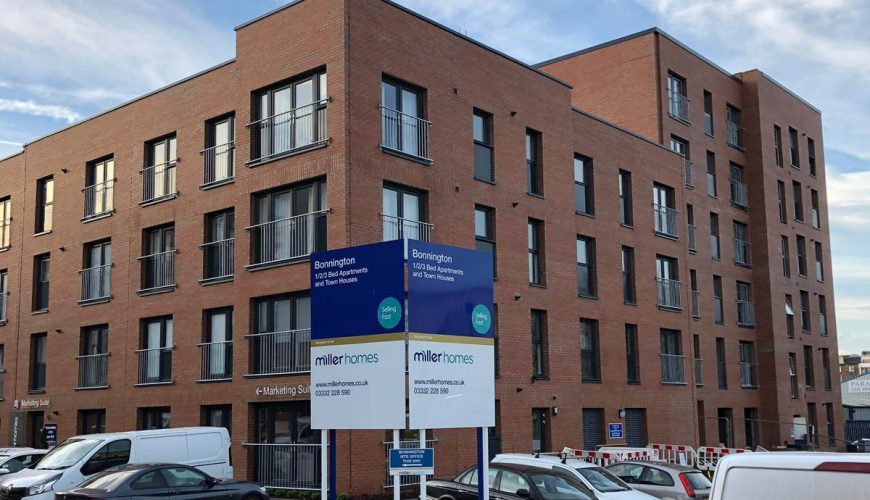
Seventh place goes to Bonnington Mill, by Miller Homes. This stylish development is located in the heart of one of Edinburgh’s vibrant districts, offering a range of 1, 2, 3-bed apartments. Residents at Bonnington Mill benefit from a riverside setting, as well as a wide variety of transport links.
One happy resident says: “The building is amazing, we have been here for just over a week and each day feel like we are waking up in a very premium hotel. Shared spaces are always kept to a very high standard of cleanliness and the facilities are well designed and decorated, they are also usually not booked out or full.”
Read reviews and details of Bonnington Mill, EH6
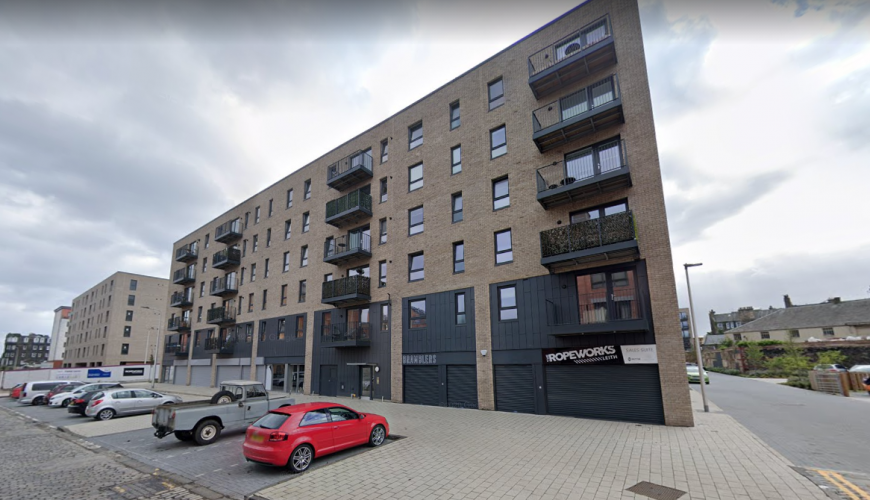
The Ropeworks, by The Teague Group, sits in Edinburgh’s Leith, and also in 8th place. Comprising a multi-phase development, it offers 1, 2, 3-bed apartments and 3-bed town houses. In addition to this, the Ropeworks sits on the historic Edinburgh Roperie and Sailworks company site.
Read reviews and details of The Ropeworks, EH6
If you’re looking for something a little outside of the centre, Lang Loan by Persimmon Homes is a great place to start. This collection of new homes offers a range of two, three, four, and five-bedroom houses. The development is conveniently situated for access to central Scotland, and the centre of Edinburgh is just over 5 miles away. Residents at Lang Loan can enjoy the city’s rich history, shopping venues, and cultural attractions. The development is also near Peel Retail Park and various parks, including Vogrie County Park and Dalkeith County Park.
Read reviews and details of Persimmon Homes at Lang Loan, EH17
We finish our expanded list with another offering at Lang Loan, this time with Miller Homes. Their range features a contemporary selection of energy-efficient four and five-bedroom homes, catering to modern family life with new home styles named after Scottish clans. The development emphasizes space and natural light, with a variety of house types including options perfect for growing families. It’s well-positioned for shopping, nature, and golf, and offers incentives and options for personalisation for homes reserved within specific timelines
Read reviews and details of Miller Homes at Lang Loan, EH17
Where is the City of Edinburgh?
The ‘City of Edinburgh’ is classed as both Scotland’s capital city and its own council area, one of 32 in Scotland. It was historically part of the county of Midlothian (also known as Edinburghshire pre-1921). You’ll find the city on the eastern edge of Scotland, on the southern side of the Firth of Forth estuary.
Why live in the City of Edinburgh?
Edinburgh is deserving of its international reputation as a city of culture, beauty, history and inclusivity. People from all over the world flock here in their millions every year to soak up this storied atmosphere. When they leave, most will consider coming back, and many will consider moving here for good.
Despite its popularity, the city of Edinburgh doesn’t have that large a population. Only around half a million people call it home. This means that despite being an exceptional place to live, it’s not a sprawling city that suffers from overcrowding. However, when the renowned Edinburgh Festival Fringe – the largest arts festival in the world – is on, visitors invariably outnumber the locals! Pre-pandemic, the 2019 Fringe hosted 750 shows, performing to crowds exceeding 850,000, drawn from all around the world.
As well as major annual festivals, Edinburgh is a cultural haven for events of all sizes occurring every day of the year. You have so much choice here when it comes to world-class museums, art galleries, theatres and venues of historical importance. Even Edinburgh Castle, the city’s spectacular centrepiece, plays host to The Royal Edinburgh Military Tattoo, an annual extravaganza of international military bands, and artistic performance teams that has to be seen to be believed.
Packed with history, Edinburgh also has a bright present and future. It’s well-off for green space, and you can even hike up to Arthur’s Seat, an ancient volcano, which has its base near the city centre. Edinburgh is a thoroughly walkable city too. Lose yourself in its winding streets, it’s half the fun of walking about the capital!
As for education, Edinburgh enjoys excellent schools at both the primary and secondary levels. For higher education, it also boasts five campus universities, each of them highly respected in the UK and internationally.
What are average property prices in the City of Edinburgh like?
Sadly, all of this doesn’t come cheap. Edinburgh is one of the most expensive cities in the UK to live, work and buy homes. In February 2025, the average house price for Edinburgh was around £336,000, according to Rightmove. This places it some way above the UK average of £282,000 and almost double the average price for Scotland (£190,000).
Renting in Edinburgh is not cheap either. Rents have risen nearly 50% during the past decade. Today, renting a one-bedroom property in Edinburgh will set you back around £1,850 PCM on average. Still, you can’t beat Edinburgh location-wise. If you want to be part of a vibrant, beautiful and immensely characterful city, Edinburgh is all of these things and more.
Make sure you check back on our expanding list of the top-ranked new homes in City of Edinburgh. We’re always adding new developments, and verified residents are keen to share their thoughts on where they live.
The county of City Edinburgh is one of the most desirable places to live in Britain. It’s a county with a rich history and thriving culture, and it’s also the home of many prestigious universities. If you’re thinking about moving to Scotland – or Read more about City of Edinburgh
HomeViews is the only independent review platform for residential developments in the UK. Prospective buyers and tenants use it to make an informed decision on where to live based on insights from carefully verified resident reviews. Part of Rightmove since February 2024, we’re working with developers, house builders, operators, housing associations and the Government to give residents a voice, recognise high performers and to help improve standards across the industry.
Just above London you’ll find Essex, home of Dame Helen Mirren, Depeche Mode and The Prodigy. Like its famous offspring, Essex is a highly diverse and energetic place, offering newcomers and established residents something new all the time. If that sounds appealing, come take a look at some of the best new build homes in Essex, as the county’s property market is enjoying another round of expansion.
New builds in Essex: 10 best developments
If you’re keen to know more about the kind of property you can find in Essex, our list is an excellent starting point. The following are the top 10 ranked property developments in the county. As always, we determine these rankings entirely based on the scores submitted by verified residents.
*PLEASE NOTE these rankings take into account how recently reviews have been submitted, so may not match the overall star ratings shown. More recent reviews are given a greater weighting to reflect current building performance.
Leaping up to number 1 from 8th place in recent months is Chesterwell, a collection of two-bedroom apartments and two, three and four-bedroom houses for rent. The development is part of a new community on the outskirts of historic Colchester in Essex. Colchester is known for its castle and historic buildings, its restaurants, bars and nightlife. There is also live theatre and music, a choice of cinemas, an arts centre and a concert hall.
Read reviews and details of Leaf Living at Chesterwell, CO4
In close 2nd place, Ewing House is a new development in Brentwood, one that is already attracting a lot of positive attention. One highly satisfied reviewer writes:
“Offers a blend of convenience and community spirit. Its excellent transport links to London make it an ideal spot for commuters, while local amenities, including shops and cafes, cater to daily needs. The area boasts green spaces, enhancing the suburban charm.”
Read reviews and details of Ewing House, CM14
3rd place goes to St Luke’s Park. Just north of Basildon, and set within an existing parkland with easy access to neighbouring towns and transport, St Luke’s Park is an ideal place to call home. Residents describe the development as being extremely scenic, with plenty of open green spaces offering pleasant walks to the nearby pub and restaurants.
Read reviews and details of St Luke’s Park, SS11
In 4th, Arboretum is a Higgins Homes development situated in Epping, Essex. This development provides 149 mixed tenure homes on the grounds of Epping St John’s School’s former school site and a new replacement secondary school.
The development was designed by Architect Melville Dunbar Associates, and comprises predominantly two-storey houses, as well as some three-storey flats, in an enviable location on the edge of green fields and open public spaces.
Read reviews and details of Arboretum, CM16
Our 5th top-rated new build development in Essex is One Canalside, a residential development by Legal & General and managed by Urbanbubble. It features 189 apartments with a mix of 1, 2 and 3-bedroom homes. Facilities include a residents’ lounge, work zone and meeting room. There’s also plans for a fully equipped games rooms and private dining room to be completed in 2022. In addition, on-site parking is available as well as a free cycle storage. With a waterside location, the development is only a 10-minute walk away from Chelmsford city centre, giving residents easy access to the station and its Greater Anglia rail links.
Read reviews and details of One Canalside, CM2
Next up, Atelier is a collection of 2,3 & 4 bedroom homes that provide countryside living but with access to the city in under 30 minutes.
One verified resident reviewer says: “The properties are well designed, modern architecture, spacious with good quality appliances fitted. Parking is also available. The building and property management teams ensure customer satisfaction in essence they work with you all the way.”
Read reviews and details of Atelier, CM18
In 8th, Elizabeth Gardens is located close to countryside, coast and town and offers a community of new homes in Rochford. Elizabeth Gardens is a 10-minute walk from Rochford Railway Station where journey times into London Liverpool Street are around 50 minutes.
Read reviews and details of Elizabeth Gardens, SS4
For our 9th spot, we head over to Gardiners Park Village, a new residential project that’s set to transform the area to the East of Basildon town centre. Basildon station is less than a 10 minute drive from Gardiners Park Village and here you can catch a direct train to London in 40 minutes.
Read reviews and details of Gardiners Park Village, SS14
The last spot of this list goes to the sought-after Chelmsford development, Beaulieu, which offers a variety of Shared Ownership homes. Residents benefit from a health centre, restaurants, and convenience stores. Additionally, bus services connect the community to and from Chelmsford City Centre and Chelmsford Train Station.
Read reviews and details of L&Q at Beaulieu Shared Ownership, CM1
Where is Essex?
Essex is one of the counties of the East England region. Its main urban centres are Colchester and Chelmsford, and it extends out to the eastern coastline as well.
Why live in Essex?
One of the biggest selling points for living in Essex is that it offers a lot of choice. There are beautiful pockets of rural farmland, along with stunning coastal scenery and no shortage of good-sized towns too.
Essex is also a commuter haven. Three of the county’s towns were voted among the ‘best value in the UK’ for a London commuter lifestyle in 2020. This is partly due to its great rail and road links to the capital.
There’s a great cultural richness to Essex too. From the Roman wall ruins and outstanding castle of Colchester (England’s oldest town) to the longstanding markets, Essex is a place where history and community come together. It’s also a place where people know how to have fun, with excellent nightlife, cultural and entertainment attractions.
What are average property prices in Essex like?
At the time of writing (February 2025) average prices for property in Essex were around £414,000, according to Rightmove. Prices in the county have held steady among the market dip over the past year or so and are 3% up on 2021 rates.
If you’re looking to buy a terraced house in Essex, expect to pay around £380,000, and roughly £605,000 for a detached house. As for renting in Essex, a rough average between various providers is about £1,700 per calendar month (Home.co.uk).
If you want to explore more of Essex, check out our dedicated area guide below. Here you’ll find a much larger selection of new build developments to investigate. Whatever your tastes and budget, Essex will likely have a range of suitable options.
Essex is a county in the East of England and is one of the most populous counties in the country. It has a population of 1.4 million people, making it an attractive place for prospective home buyers to invest their money and enjoy all Read more about Essex
HomeViews is the only independent review platform for residential developments in the UK. Prospective buyers and tenants use it to make an informed decision on where to live based on insights from carefully verified resident reviews. Part of Rightmove since February 2024, we’re working with developers, house builders, operators, housing associations and the Government to give residents a voice, recognise high performers and to help improve standards across the industry.